
Unbiased headlines. Facts, not spin.
Every story is an unbiased news briefing written from 110+ sources across the spectrum — sources linked so you can verify it yourself.
 politics
Notable (6/10)
July 16, 2026 at 01:46 PM
politics
Notable (6/10)
July 16, 2026 at 01:46 PM
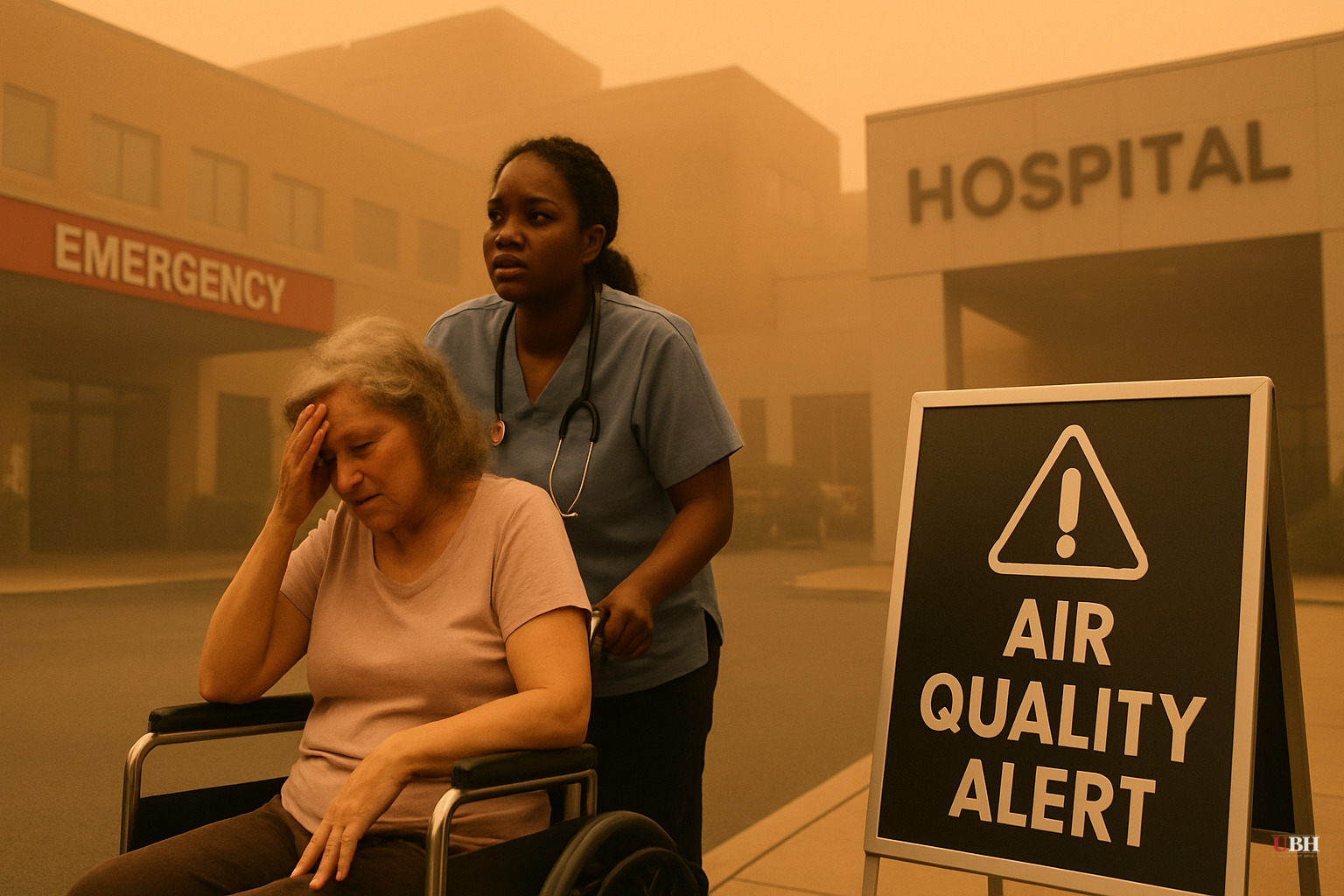
Canadian Wildfire Smoke Turns Northeast Skies Orange, Triggers Air Quality Alerts
Same Story, Different States
Skies over New Jersey and Massachusetts turned an eerie orange this week, and it's not a local problem. It's Canada's.
More than 800 wildfires are burning across Canada right now, including roughly 100 in Ontario, according to NJ 101.5. Winds have carried that smoke hundreds of miles southeast into the northeastern United States, according to the Marblehead Independent, which cited regional forecasts and federal satellite analysis pointing to fires burning across Ontario, Manitoba and Saskatchewan.
The New Jersey Department of Environmental Protection issued a Code Red air quality alert for Thursday, July 16. NJ 101.5 Chief Meteorologist Dan Zarrow said the smoke will bring unhealthy air and poor visibility at times, advising people to take it easy outdoors, especially those already sensitive to air pollution.
AccuWeather Vice President of Forecast Operations Dan DePodwin said air quality could reach levels comparable to 2023, when skies over parts of New Jersey turned orange during a previous, more severe smoke event.
What The Air Quality Index Actually Means
In Marblehead, Massachusetts, the sky took on the same orange cast Wednesday morning. AirNow's national map listed the Essex reporting area at an Air Quality Index of 130 late Wednesday, according to the Marblehead Independent. That falls in the orange category: unhealthy for sensitive groups.
That reading is regional, not street-specific, and can shift hour to hour as wind patterns change.
Federal air-quality guidance says people with asthma, other heart or lung conditions, older adults and children should cut back on prolonged or strenuous outdoor activity when the index sits between 101 and 150. Anyone experiencing coughing, wheezing, shortness of breath, chest discomfort or unusual fatigue should head indoors.
The mechanism behind the color show is straightforward physics, not a symptom of anything more alarming. Smoke particles suspended in the atmosphere scatter and filter sunlight, muting blue wavelengths and letting orange and red dominate, the Marblehead Independent reported. Even smoke sitting high above the ground, far from breathing level, can tint the sky and produce vivid sunrises and sunsets without necessarily making the air dangerous to breathe.
NOAA satellite analysts reported Tuesday night that moderate-density smoke stretched from central Canada into the northeastern U.S., with a lighter layer covering much of the country. But NOAA itself cautions that satellite imagery shows smoke somewhere in the atmosphere, not necessarily how much of it has descended to the level where people actually breathe it. A dramatic sky doesn't automatically mean dangerous air. Residents need to check actual ground-level readings, not just look outside.
Health Risks Are Real For Sensitive Groups
Fine particle pollution from wildfire smoke isn't cosmetic. It can irritate the eyes, nose and throat, trigger coughing, chest tightness, shortness of breath, dizziness or fatigue, according to NJ 101.5. The particles are small enough to get breathed deep into the lungs and enter the bloodstream.
The National Weather Service's Boston office said a new smoke plume was expected to shift south into the region in greater concentrations, with some smoke reaching close enough to the surface to be smelled directly. The haze is also expected to hold temperatures slightly below earlier forecasts by blocking some sunlight from reaching the ground.
Practical guidance from both outlets lines up. An N95 or KN95 mask offers protection against smoke particles; a standard cloth or surgical mask does not. Staying indoors with windows closed and air conditioning running is the most effective move when smoke is heavy. Anyone can check current conditions at AirNow.gov rather than relying on how the sky looks.
When It Clears
Zarrow said the smoke will linger into Friday, July 17. Showers and heavy thunderstorms forecast for Saturday could help push the smoke out of the northeast entirely.
Marblehead's forecast calls for continued haze Thursday, with a chance of thunderstorms later in the day that may offer similar relief.
Neither outlet reported any containment timeline for the Canadian fires themselves, meaning the underlying source of the smoke, more than 800 wildfires burning across multiple provinces, remains active regardless of what weekend storms do to clear the air over New Jersey and Massachusetts. Whether another plume arrives next week depends on how those fires progress and which way the wind blows, not on anything happening on the U.S. side of the border.
Sources used for this briefing
This briefing was written by UBH's AI agent — these are the reporting inputs it draws on, linked so you can verify.


