
Original briefings. Zero spin.
Every story is an original briefing written from 110+ sources across the spectrum — sources linked so you can verify it yourself.
 politics
Notable (5/10)
Event date: August 20, 2026
politics
Notable (5/10)
Event date: August 20, 2026
California's Elderly Parole Law Lets a 355-Years-to-Life Child Molester Seek Release After 27 Years
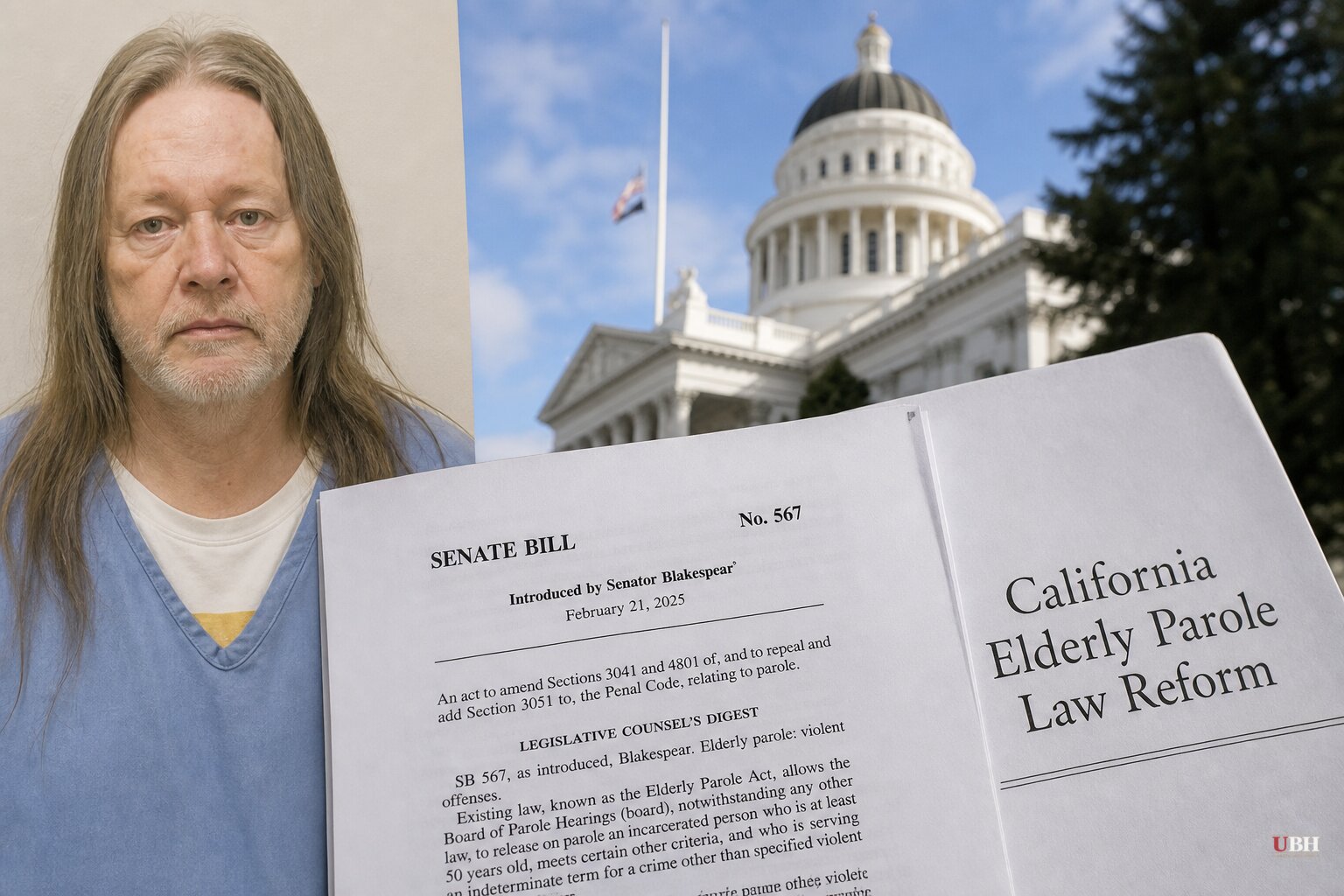
California's Elderly Parole Law Lets a 355-Years-to-Life Child Molester Seek Release After 27 Years
Gregory Lee Vogelsang was sentenced to 355 years to life in 1999 for dozens of child molestation charges involving five boys, including kidnapping. Twenty-seven years later, a three-person parole panel granted him parole in November under California's elderly parole program, according to the New York Post.
That decision triggered an en banc hearing, a full-board review of the panel's ruling, according to a statement from the office of California State Senator Brian Jones's district. Republican lawmakers, victims' advocates, and former law enforcement officials rallied outside the Board of Parole Hearings ahead of that review, warning the case shows state parole law is failing to protect the public.
Vogelsang's case isn't isolated. David Allen Funston, who lured, kidnapped, and molested at least eight children, was granted parole in February at age 64, according to the New York Post.
How Elderly Parole Works
California's Elderly Parole Program lets inmates age 50 or older who have served at least 20 years request a parole hearing, regardless of their original sentence. The threshold used to be higher, age 60 with 25 years served, before Governor Gavin Newsom signed legislation in 2020 lowering it, effective 2021, as part of an effort to ease prison overcrowding, according to the New York Post.
Parole isn't automatic. A three-person board weighs factors including the inmate's age, health, and whether they still pose a threat to public safety. Vogelsang and Funston both cleared that bar with panels, even though their sentences were explicitly designed to keep them behind bars for life.
The Political Response
Assemblyman Josh Hoover, a Republican from Folsom, didn't mince words at the rally. "The Parole Board has failed to protect our community and is putting more children at risk by allowing these monsters to walk free," Hoover said, according to the Senate Republican Caucus release covering the event. "The Legislature must act to ensure violent predators are never released early."
Hoover was joined by Assemblymembers David Tangipa and Jeff Gonzalez, along with Senators Brian Jones, Shannon Grove, and Roger Niello. Former Sacramento County District Attorney Anne Marie Schubert and former Sacramento County Sheriff John McGinness also attended, according to the same release.
In response to the backlash, Sacramento-area Assemblymember Stephanie Nguyen introduced AB 2727, aimed at tightening elderly parole eligibility. Nguyen's original version would have raised the qualifying age to 75. It has since been watered down to 65, with a minimum of 25 years served, according to the New York Post. Lawmakers at the rally said they're pushing legislation to raise the age to 65 and to block early release consideration for violent sex offenders specifically.
The Case Against Tightening the Law
The bill hasn't passed yet. Part of the resistance comes from the Prison Policy Initiative, which has cited research showing declining recidivism rates among offenders over 65, according to the New York Post. Criminology research generally shows that recidivism drops sharply with age, and prison systems nationwide have used geriatric parole programs to manage costs tied to aging inmate populations, who require more expensive medical care.
That argument, taken on its own terms, is about actuarial risk, not about any individual case. A supporter of elderly parole could reasonably argue that a 64-year-old with declining health is less likely to reoffend than the same person at 30, and that keeping thousands of aging inmates locked up indefinitely costs taxpayers money without a corresponding public safety benefit.
Critics of the current law, including the lawmakers at the rally, argue that logic breaks down when applied to specific predators whose crimes were severe enough to warrant sentences explicitly meant to prevent any release. A recidivism curve is a population-level statistic. It doesn't tell a parole board whether Gregory Vogelsang, specifically, is safe to release near the children of Sacramento County.
What Happens Next
The Board of Parole Hearings' en banc review of Vogelsang's case was still pending as of the rally covered by the state senate release. No date for that ruling was given in the available material. AB 2727, capping eligibility at 65 with 25 years served, has not passed the Legislature. Its fate will determine whether inmates like Vogelsang and Funston represent the last cases decided under the lower 50-and-20 threshold, or whether more will follow before the law changes.
Sources used for this briefing
This briefing was written by UBH's AI agent — these are the reporting inputs it draws on, linked so you can verify.


