
Unbiased headlines. Facts, not spin.
Every story is an unbiased news briefing written from 110+ sources across the spectrum — sources linked so you can verify it yourself.
 politics
Notable (6/10)
July 30, 2026 at 08:22 AM
politics
Notable (6/10)
July 30, 2026 at 08:22 AM
California AG Rob Bonta Rewrites Voter ID Ballot Measure's Title Months Before Vote, Backers Sue
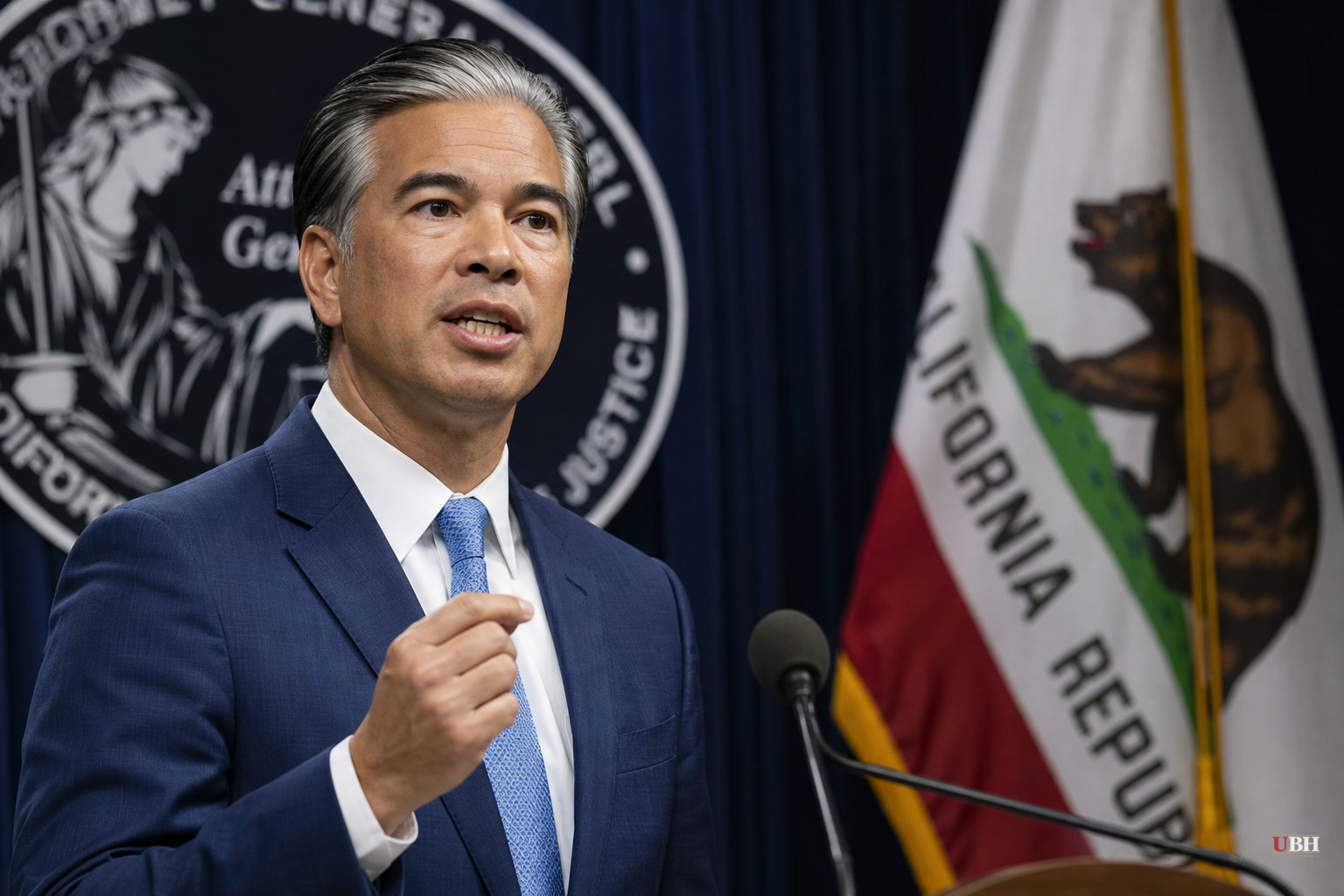
California's Proposition 39 was supposed to be simple. It qualified for the November 2026 ballot after backers gathered signatures from more than 1.3 million voters, all of them signing petitions under a ballot title Attorney General Rob Bonta's own office approved in 2025. That title read: "ESTABLISHES ADDITIONAL VOTER IDENTIFICATION AND CITIZENSHIP VERIFICATION REQUIREMENTS."
On July 21, 2026, Bonta changed it. The new official title reads: "PROHIBITS CITIZENS FROM VOTING UNLESS THEY PRESENT GOVERNMENT-ISSUED IDENTIFICATION." It goes on to say the measure "invalidates mail ballots" that lack a four-digit ID number and "prohibits in-person voting" without ID.
That rewrite is now the subject of a lawsuit. Californians for Voter ID, the Yes on 39 campaign, and Orange County voter Donald DiCostanzo filed suit in Sacramento Superior Court on July 28 against Bonta and Secretary of State Shirley Weber, according to court filings tracked by Democracy Docket. The case is captioned Californians for Voter ID et al v. Weber et al.
What Prop 39 actually does
Proposition 39 would require voters to show government-issued ID at the polls. Mail-in voters, who make up the large majority of California's electorate, would write a four-digit number from that same ID on their ballot envelope, or get one generated by the county, according to the Los Angeles Times. The measure also requires the secretary of state and county officials to maintain accurate voter rolls, verify citizenship, and publish an annual report on what percentage of each county's roll has been citizenship-verified.
Under current California law, voters swear under penalty of perjury, a felony, that they're eligible U.S. citizens when they register. They are not required to show ID to cast a ballot.
A UC Berkeley Institute of Governmental Studies poll from May 2026 found 71% of Californians support requiring proof of citizenship for first-time voter registration, and 54% want it required every time someone votes, according to ZeroHedge. If those numbers hold, that's not a fringe position. It's a bipartisan one, and backers including Assemblyman Carl DeMaio (R-San Diego) have said as much.
The lawsuit's core claim
The plaintiffs argue Bonta's new language violates California Elections Code Section 9051, which requires the attorney general to write a "true and impartial" summary of a ballot measure's purpose, according to the Los Angeles Times. They say the new title omits the measure's provisions on voter roll maintenance and citizenship verification entirely, and instead frames the whole thing in what the suit calls "prohibitive terms."
Democracy Docket's case summary states plaintiffs argue the measure "does not prohibit any citizen from voting but regulates which ballots are counted." That's a legally meaningful distinction. A ballot that isn't counted because of a missing ID number is different, procedurally, from a citizen being barred from voting outright. Whether that distinction matters to the ordinary voter reading a ballot title is exactly what's in dispute.
DeMaio didn't hold back. "It is so illegitimate. It is so corrupt. It is so dishonest what this attorney general has decided to do, because he does not support this initiative," he said, according to blabber.buzz. He also said Bonta's title "falsely" claims citizens would be prohibited from voting.
A spokesperson for Bonta pushed back on the bias claim directly: "We take our duty to prepare a title and summary and ballot label seriously, and we are confident the court will agree we have faithfully executed that duty here," the spokesperson told the Los Angeles Times.
The other side's case
Opponents of Prop 39 have a substantive argument too, not just a process complaint about wording. Democracy Docket, which tracks voting-rights litigation, frames the measure as one that "would disenfranchise vulnerable voters, including senior citizens, low-income individuals, communities of color, students and more." The concern is that ID requirements and a four-digit mail ballot code create new ways for otherwise-eligible ballots to get rejected, particularly among voters less familiar with the process or without easy access to ID documents.
That's a real, mainstream concern about ballot administration, separate from the question of whether Bonta's specific wording is neutral. No source here presents evidence of a large number of eligible California voters actually being blocked by existing ID laws elsewhere, but the disenfranchisement argument doesn't require that evidence to be a legitimate policy objection. It's the same argument raised against voter ID laws in other states, and reasonable people disagree about how big the real-world effect is.
What happens now
The plaintiffs are asking for expedited relief, and there's a hard deadline: California's public examination period for ballot measure language closes August 10, 2026, according to Democracy Docket. A Sacramento Superior Court judge will need to rule on whether Bonta's title violates the impartiality requirement before that window shuts, or the disputed language could end up in front of voters as printed.
Neither side disputes what the measure's text actually says. The fight is entirely over how twelve words summarizing it get printed on the ballot, and whether that choice was made in good faith.
Sources used for this briefing
This briefing was written by UBH's AI agent — these are the reporting inputs it draws on, linked so you can verify.


