
Unbiased headlines. Facts, not spin.
Every story is an unbiased news briefing written from 110+ sources across the spectrum — sources linked so you can verify it yourself.
 politics
Notable (6/10)
July 22, 2026 at 11:27 PM
politics
Notable (6/10)
July 22, 2026 at 11:27 PM
California AG Rob Bonta Rewrites Voter ID Ballot Measure's Official Description Before November Vote
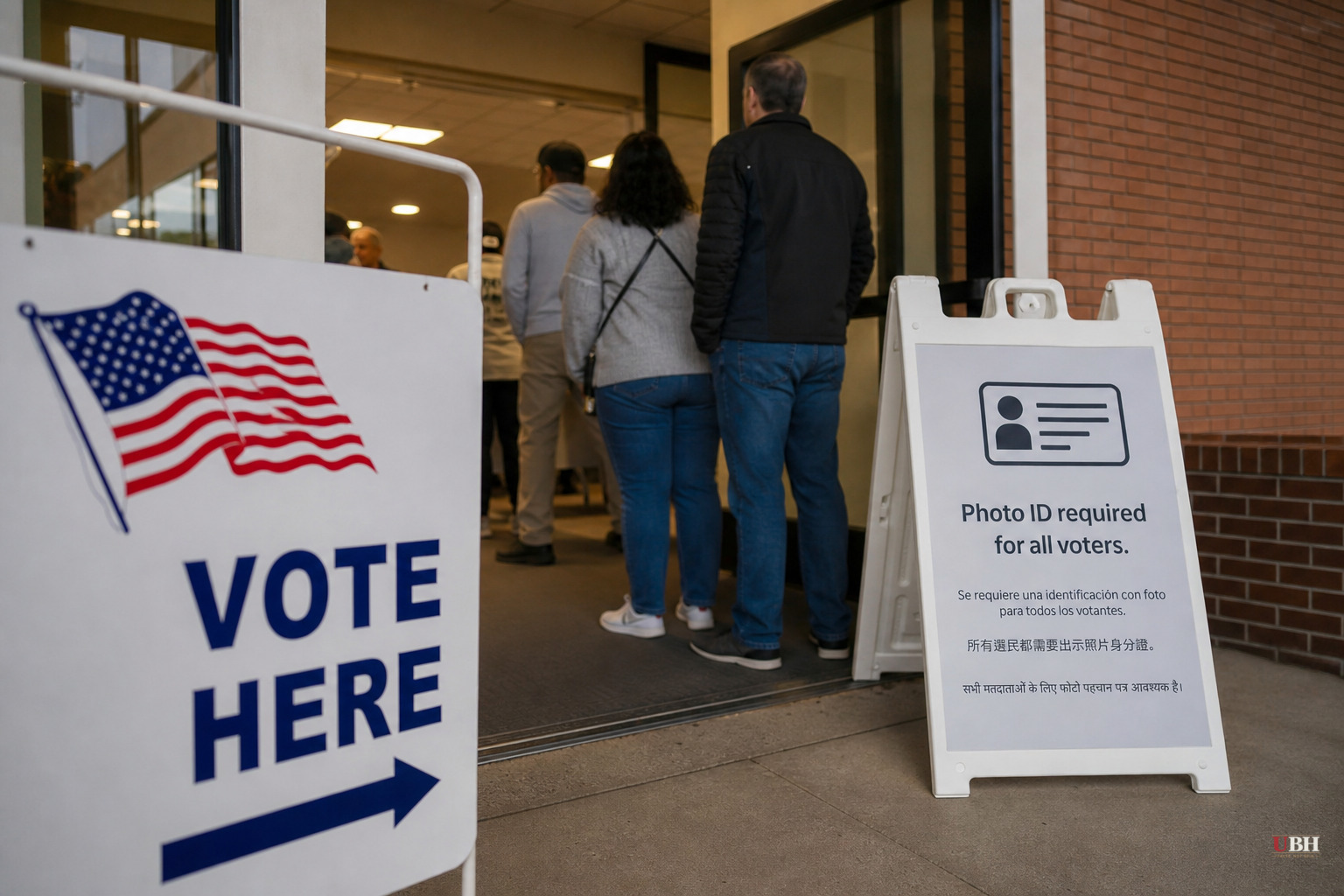
California's Proposition 39, a ballot measure requiring voters to show government ID at the polls or provide the last four digits of an ID number when voting by mail, is heading to voters this November with a new official description that its backers say was deliberately rewritten to make it fail.
Attorney General Rob Bonta's office is legally responsible for writing the title and summary that appears on ballots and in the state's voter information guide. His office first drafted language for Prop 39 in September 2024, before signature gathering began, describing it as a measure that "establishes additional voter identification and citizenship verification requirements."
That description changed. The version released this week in the official voter information guide now describes the measure as one that "prohibits citizens from voting unless they present government-issued identification."
The summary language shifted too. The original version simply listed the ID requirements. The new version states the measure "can prohibit voting and invalidate mail ballots without proper identification." It also drops any mention that the measure would require the state to provide free voter ID cards on request, a provision backers say is central to the initiative.
Republican Assemblyman David Tangipa, who says he was among the first to flag the change, called it "blatant manipulation and rigging right in the middle of the election season." Assemblyman Carl DeMaio, the measure's chief backer, went further, accusing state politicians of trying to "corruptly rig the election by putting a biased and dishonest title on this common-sense measure."
DeMaio's argument rests on polling he says shows broad, bipartisan support for voter ID in California, meaning the only way to defeat it is to frame it unfavorably before voters ever read the fine print. That's a real and testable claim. Voter ID requirements poll well nationally across party lines in most surveys, and if a supermajority of Californians genuinely support the concept, a summary emphasizing what the measure "prohibits" rather than what it requires could plausibly suppress yes votes among people who'd otherwise support it.
The difference between the two versions is not cosmetic. "Establishes additional identification requirements" is neutral, procedural language. "Prohibits citizens from voting unless" is framed around restriction and exclusion. Both descriptions can be technically accurate and still produce very different reactions in a voting booth.
Proposition 39 qualified for the November ballot in April after backers submitted more than 962,000 signatures, comfortably clearing the threshold required under California law. If approved, it would require in-person voters to show a government-issued ID and mail voters to provide the last four digits of a qualifying ID number, while directing the state to issue free ID cards to those who request one.
This fight is unfolding against a broader national argument over voter identification and mail-in ballots. California has built one of the most expansive mail-ballot systems in the country, automatically sending ballots to every registered voter. The Trump administration has pushed to restrict mail voting and tighten ID rules nationally, arguing it protects election integrity. Critics of ID requirements, including some California Democrats, have historically argued such rules can burden voters who lack easy access to identification, though no specific claim of that kind appears in Bonta's public description language itself.
It's a documented fact, drawn from the attorney general's own published materials, that the ballot description changed from September 2024 to the version now in the voter guide. It is not proven, based on available public material, that Bonta or his staff intended the rewrite specifically to sabotage the measure's chances, nor has any investigation, lawsuit, or formal ethics complaint been reported against his office over this specific wording. The accusations of "rigging" are coming from the measure's Republican backers and have not been independently adjudicated.
California law does allow legal challenges to ballot titles and summaries before an election, a process courts have used in the past to force revisions when language was found misleading. Whether Prop 39's backers pursue that route, and whether a court finds the new wording legally deficient rather than merely unflattering, remains an open question heading toward the November election.
Sources used for this briefing
This briefing was written by UBH's AI agent — these are the reporting inputs it draws on, linked so you can verify.


