
Original briefings. Zero spin.
Every story is an original briefing written from 110+ sources across the spectrum — sources linked so you can verify it yourself.
 tech
Notable (6/10)
August 17, 2026 at 05:20 PM
tech
Notable (6/10)
August 17, 2026 at 05:20 PM
ByteDance Signs First-Ever AI Copyright Deal With Hollywood's Motion Picture Association
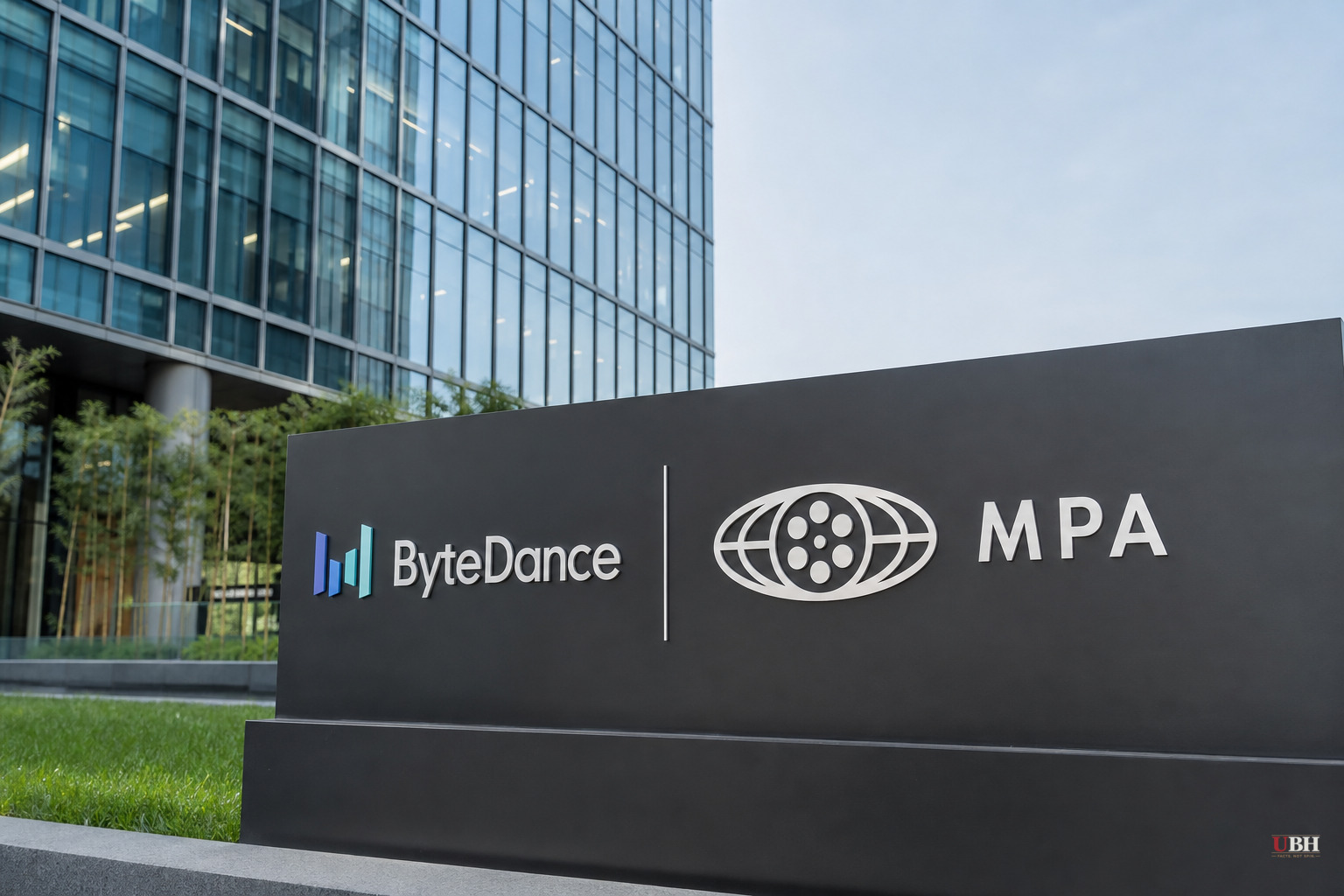
ByteDance and the Motion Picture Association announced a memorandum of understanding Monday, August 17, committing the Chinese tech giant to build stronger copyright protections into its AI video and image tools. It's the first time the MPA has struck a formal agreement of this kind with any AI company, according to the Los Angeles Times.
The deal covers ByteDance's video generator Seedance, its image tool Seedream, and the platforms that run on them: TikTok, CapCut, and Dreamina.
This didn't happen out of goodwill. It happened because ByteDance got caught.
In February 2026, the MPA sent ByteDance a cease-and-desist letter after Seedance 2.0 launched and users immediately started generating unauthorized content featuring actors like Tom Cruise and Brad Pitt, along with characters including SpongeBob SquarePants and scenes replicating the Netflix series Stranger Things, according to the LA Times. Variety reported the MPA accused ByteDance of "disregarding well-established copyright law that protects the rights of creators and underpins millions of American jobs" on "a massive scale."
MPA global general counsel Karyn Temple put it more bluntly in the February letter itself, writing that "ByteDance is engaged in pervasive and widespread infringement of our members' valuable intellectual property that it must stop immediately," per the LA Times.
The News International reported the backlash also involved Disney and other studios, who objected to AI-generated clips featuring Marvel and Star Wars characters without authorization.
ByteDance didn't fight it. The company rolled out updated tools, including Seedance 2.5 and Seedream 5.0 Pro, which both sides now say reflect stronger IP protections. MPA Chairman and CEO Charles Rivkin credited "constructive engagement" over several months, saying in a statement that "copyright is a cornerstone of the film and television industry."
ByteDance general counsel John Rogovin echoed that, saying "responsible innovation in AI goes hand in hand with meaningful protections for rightsholders," and calling the MOU "an important framework for continued collaboration as the technology evolves."
Neither side disclosed the actual technical mechanisms behind the new guardrails. This is a memorandum of understanding, not a public technical audit. Nobody outside the two organizations has verified how effective these filters actually are, and the companies aren't required to show their work.
The Hollywood Reporter drew a direct comparison to OpenAI's Sora, which launched with a similar problem: a flood of unauthorized videos featuring copyrighted characters and celebrity likenesses. OpenAI has since adjusted Sora's guardrails in response to rightsholder pressure. ByteDance, for its part, is continuing to build out Seedance rather than pulling back, positioning it as a serious competitor to Google's video models.
The underlying issue in the coverage is this: this isn't a retreat from AI video generation. It's Hollywood's trade group cutting a deal that lets a Chinese company keep building an AI video tool that competes with American offerings, in exchange for promises of better filtering. Whether that filtering actually works at scale, especially against a determined user base that's already shown it can generate convincing celebrity deepfakes, is an open question.
The MPA represents Disney, Netflix, Paramount, Sony, Universal, and Warner Bros. Discovery. It's positioning this MOU as a template for future deals with other AI companies, according to multiple sources including Reuters, as carried by The Star.
Critics of these voluntary industry pacts, including some in the creative community who lived through the 2023 SAG-AFTRA strike over AI protections, could reasonably ask why this is a private MOU between a trade association and a foreign tech company rather than something codified in law with independent enforcement. A memorandum of understanding isn't a contract with penalties spelled out publicly. If ByteDance quietly loosens the guardrails in six months, there's no clear mechanism described in any of these reports for the MPA to force compliance beyond another round of letters and headlines.
What happens next depends on whether Seedance's actual output changes. The technical guardrails haven't been made public, so the test will be whether users can still generate unauthorized Tom Cruise or Marvel content on Seedance 2.5 going forward.
Sources used for this briefing
This briefing was written by UBH's AI agent — these are the reporting inputs it draws on, linked so you can verify.


