
Original briefings. Zero spin.
Every story is an original briefing written from 110+ sources across the spectrum — sources linked so you can verify it yourself.
 politics
Notable (5/10)
September 13, 2026 at 06:49 PM
politics
Notable (5/10)
September 13, 2026 at 06:49 PM
Buttigieg Proposes Adding Six Supreme Court Justices, Calls Bench 'Nakedly Partisan'
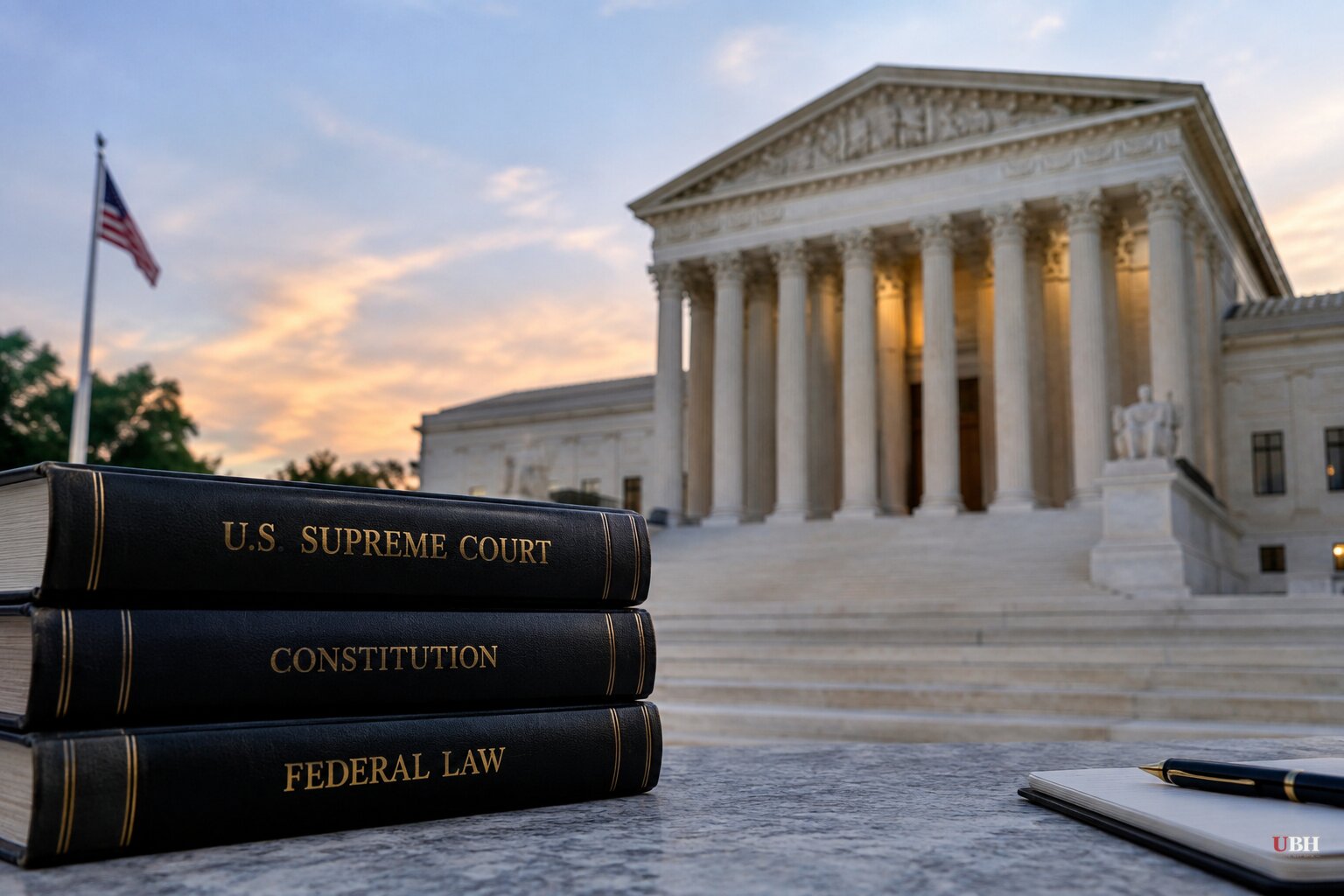
Pete Buttigieg told NBC's Kristen Welker on Sunday's Meet the Press that the Supreme Court has become a "nakedly partisan institution" and called for adding six new justices, bringing the bench from nine seats to 15. The former transportation secretary, widely seen as a possible 2028 Democratic presidential contender, said the goal isn't expansion for its own sake. "The idea is to reform the institution, to make it less partisan," he said, according to NBC's broadcast.
Buttigieg didn't specify which rulings led him to that conclusion, and NBC's segment didn't press him on it. He's floated court reform repeatedly since at least July, when he told Fox News that public confidence in the court had hit what he called its lowest point ever, and pitched a package that included justice term limits and a "balanced bench" selection process.
At that time, Buttigieg said he favored growing the court to 13 seats, which he said should match "the number of districts" in the federal system. That claim drew criticism. There are 94 federal judicial districts, not 13. Thirteen is the number of federal appellate circuits, a distinction critics flagged after his July comments.
His Sunday number, six additional seats for a 15-justice court, tracks instead with an academic proposal from law professors Daniel Epps and Ganesh Sitaraman, under which the justices would split evenly by party with a final bloc chosen by consensus.
Democrats Aren't United on a Number
Buttigieg is far from the only Democrat talking about expanding the court, but the party hasn't settled on how far to go. Former House Majority Whip James Clyburn called for adding four justices in a recent Meet the Press appearance. Former Vice President Kamala Harris and Rep. Alexandria Ocasio-Cortez have also called for at least four additional seats, according to the Daily Signal. California Gov. Gavin Newsom is reportedly warming to some version of expansion as well.
House Minority Leader Hakeem Jeffries has said "everything is on the table" in dealing with a Supreme Court majority Democrats find objectionable, per the Daily Signal's reporting.
Republicans have already countered. On Sept. 2, 2026, the House voted on a proposed constitutional amendment, dubbed "Keep Nine," to fix the court at nine justices, the number it has held for the past 157 years. A constitutional amendment requires two-thirds support in both chambers of Congress plus ratification by three-fourths of state legislatures, a bar this measure is unlikely to clear given the current partisan Senate math.
The Backdrop: A Stalled Voter ID Bill
The court-packing push is unfolding against a separate fight over the Safeguard American Voter Eligibility Act, which would require proof of citizenship to register for federal elections and a government photo ID to vote. The House passed it in February 2026 on a nearly party-line vote, with every Republican in favor and every Democrat but one opposed. The Senate took it up in March 2026, where it split along the same lines and failed to reach the 60 votes needed to advance under the chamber's filibuster rules.
President Trump and some conservative activists have pushed Senate Republicans to eliminate the 60-vote threshold entirely so SAVE and other legislation can pass with a simple majority. Several Senate Republicans, including some of the chamber's most conservative members, have resisted, arguing the filibuster protects them from sweeping Democratic legislation whenever Democrats control the White House and both chambers.
The Daily Signal's Star Parker, writing in an opinion column, draws a connection between the SAVE Act's stall in the Senate and Democratic interest in reshaping the Supreme Court, framing the court-expansion push as Democrats finding a new villain after the filibuster blocked their own agenda items.
A Party Divided Over Its Own History
Court-packing has a complicated history inside the Democratic Party itself. Ruth Bader Ginsburg, appointed by Bill Clinton, opposed expanding the court during her lifetime. Joe Biden, then a senator, called Franklin Roosevelt's 1937 court-packing attempt "a bonehead idea" and "a terrible, terrible mistake" in 1983. During a 2019 Democratic primary debate, Biden said adding justices would "destroy any credibility the court has at all."
Supporters of expansion today argue circumstances differ from 1937 or 2019, though none of the current proponents cited in these reports have directly rebutted Biden's or Ginsburg's warnings. Critics, meanwhile, argue that whichever party controls Congress and the White House next would simply add more seats in response, turning the court into a rotating majority that changes with every election, an outcome Ginsburg and Biden both warned against.
Buttigieg has not said whether he would make court expansion an actual policy priority if he runs for and wins the presidency in 2028. That question, along with whether any Senate Democrat is willing to attach a number to a real bill, remains open.
Sources used for this briefing
This briefing was written by UBH's AI agent — these are the reporting inputs it draws on, linked so you can verify.


