
Unbiased headlines. Facts, not spin.
Unbiased Headlines is an independently owned news organization. We bring you the facts, not opinions, written fresh from 110+ named sources. Sources linked so you can verify it yourself.
 sports
Low Interest (4/10)
sports
Low Interest (4/10)
Bulgaria Picks Burgas Over Sofia to Host Eurovision 2027, New Rule Bars War-Zone Winners From Hosting
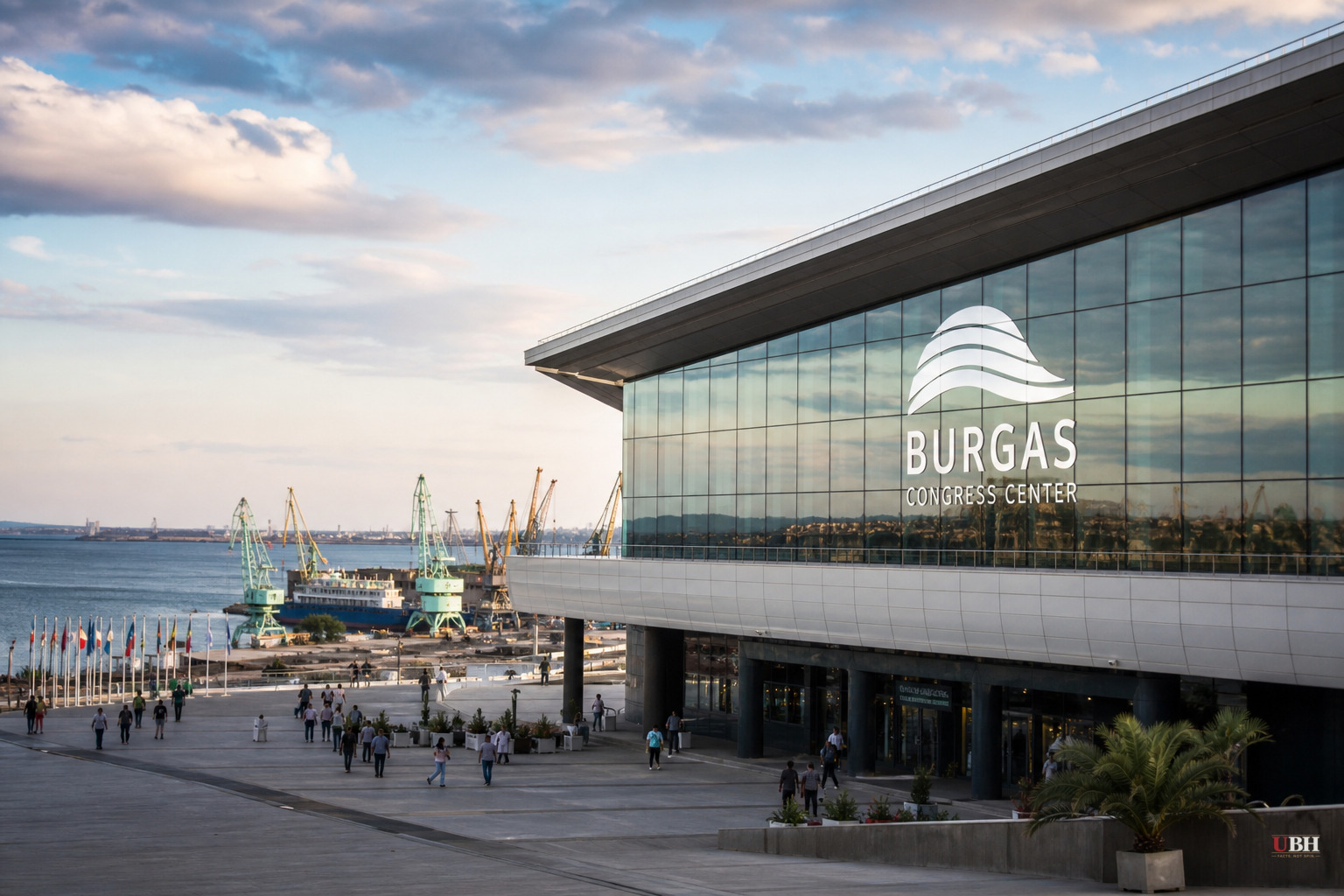
Bulgaria is getting its first Eurovision. The European Broadcasting Union and Bulgarian National Television confirmed Thursday that the 2027 contest will be held in Burgas, a Black Sea port city, from May 11 to 15, according to the BBC.
The win came courtesy of Dara, the 27-year-old Bulgarian singer who took the 2026 title in Vienna with her song Bangaranga, giving Bulgaria its first-ever Eurovision victory, the BBC reported. The track also cracked the UK's Official Singles Chart Top 40, according to Official Charts.
Four Bulgarian cities threw their hats in the ring: Burgas, Sofia, Plovdiv and Varna. Plovdiv and Varna got cut in the first round, leaving Burgas and Sofia to fight it out, according to Eurovisionworld. The EBU says Burgas won on the strength of its venue, hotel capacity, transport links and international airport access.
The contest will be staged at Arena Burgas, a 15,000-capacity venue that took nearly a decade to build and finally opened in 2023, according to escxtra. It normally hosts basketball games for Chernomorets Burgas and concerts, not a live TV event watched by hundreds of millions.
Sofia, the capital, was the sentimental favorite. Milena Miltenova, BNT's director general, told reporters right after Dara's win in Vienna: "I'm so proud to say welcome to Sofia next year." Dara herself said something similar, telling the crowd she was happy Eurovision would be "in my home" in Sofia. Neither got their wish.
Escxtra reported there were rumblings of tension between BNT and the Bulgarian government over the pick, with the broadcaster reportedly favoring Sofia while the arena and infrastructure case ultimately tipped toward Burgas. The EBU calls the process "competitive" and says the decision was made by BNT alongside a panel of international Eurovision specialists.
Martin Green, director of the Eurovision Song Contest, said Burgas "brings something really special" to the event, calling it "a vibrant, welcoming city on the Black Sea with a strong musical and cultural identity." Burgas Mayor Dimitar Nikolov called hosting "an exceptional honour."
The rule change nobody asked Eurovision fans about
Buried in the same announcement window is a rule change that has nothing to do with Bulgaria and everything to do with Israel. The EBU has added language stating that a country dealing with "armed conflict" or a "sensitive geopolitical situation" affecting the "security, safety or stability" of its state or region cannot host the contest the year after it wins, according to Official Charts and the Jerusalem Post.
Historically, the winning country automatically hosts the next year. That broke down once already: Ukraine won in 2022 while under Russian invasion, and the 2023 contest went to Liverpool, England, as runner-up, since Ukraine couldn't safely host, the Jerusalem Post noted. Now that exception is written into the rulebook rather than handled as a one-off.
The Jerusalem Post and Ynetnews both frame the new rule as targeting Israel specifically. Israel has finished second at Eurovision for two consecutive years, most recently with Noam Bettan's song "Michelle," and has won the contest four times overall, most recently in 2018, hosting in Tel Aviv the following year. Five countries, Iceland, Ireland, the Netherlands, Slovenia and Spain, have boycotted Israel's participation amid protests tied to the Gaza war, according to the Jerusalem Post.
Martin Green's official statement on the rule changes doesn't name Israel. He said the changes are "about giving everyone involved greater clarity, protecting artists and ensuring the contest continues to provide a safe and welcoming environment, while preserving the spirit and integrity that make the Eurovision Song Contest so special." The EBU has not publicly confirmed the rule was written with any specific country in mind, and no formal disqualification or investigation into Israel's participation has been announced.
Hosting a live international broadcast in an active war zone is a legitimate logistical and safety question, not just a political one. Ukraine's own situation in 2022 proved that a winning country genuinely can be unable to safely host. Critics who see the rule as Israel-specific point to the timing, the pattern, and the fact that Israel is currently the only recent runner-up facing sustained boycott pressure, but the rule as written is generic enough to apply to any country in conflict, and the EBU has not said it was drafted with Israel as the sole target.
There's also a calendar collision baked into the 2027 dates. The first semifinal falls on May 11, which is Israel's Memorial Day for fallen soldiers and terror victims, according to Ynetnews. Because the key rehearsal for that show would land on the eve of the holiday, Israel is expected to request placement in the second semifinal on May 13 instead, a scheduling conflict that has occurred in past years given Eurovision's early-May timing, Ynetnews reported.
Burgas itself carries a difficult history for Israelis. The Jerusalem Post pointed out that in 2012, a bus bombing at Burgas airport killed five Israeli tourists and a Bulgarian driver and injured 35 others, an attack later linked by Bulgarian and Israeli authorities to Hezbollah. That history isn't mentioned in the EBU's or BNT's promotional materials, and no source suggests it affected the host-city decision.
What happens next: Israel's broadcaster, Kan, has not yet formally announced which semifinal it will request, and the EBU has not detailed further specifics on the "sensitive geopolitical situation" rule, including how it would be adjudicated or who decides if a country qualifies for exclusion. Those mechanics remain unresolved heading into the 2027 planning cycle.
Sources used for this briefing
7 links from 7 independent newsrooms (syndicated copies of the same report count once)
These are the sources it draws on, linked so you can verify.


