
Unbiased headlines. Facts, not spin.
Every story is an unbiased news briefing written from 110+ sources across the spectrum — sources linked so you can verify it yourself.
 politics
Major Story (7/10)
June 27, 2026 at 08:45 AM
politics
Major Story (7/10)
June 27, 2026 at 08:45 AM
British Transport Police Took 13 Hours to Respond to a Sexual Assault Report. A Viral Video Changed That.
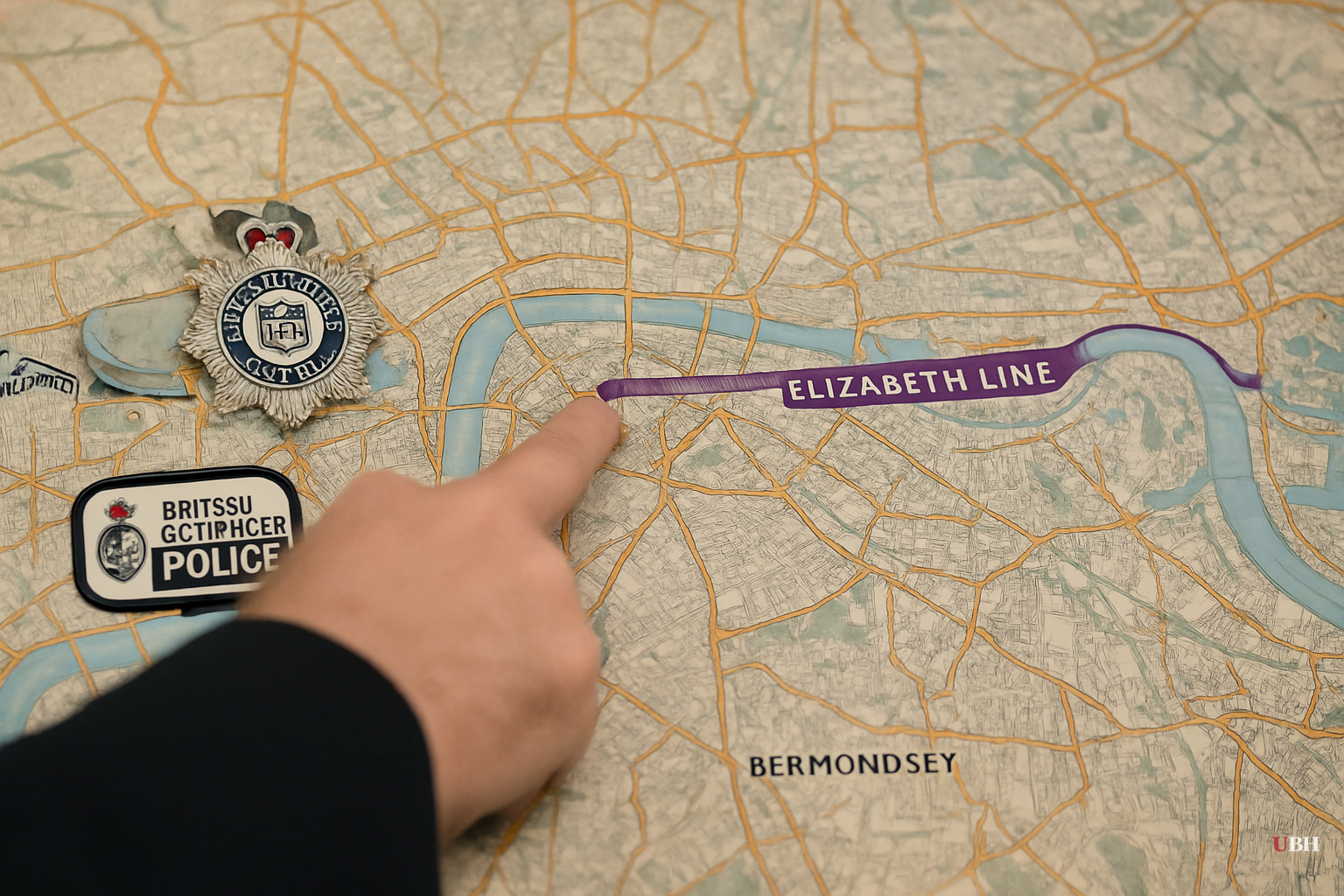
What Happened to Esme Rice
Esme Rice was travelling home on the Elizabeth Line late on a Saturday night after dinner with friends in Farringdon when two men boarded her carriage. As the train was pulling into Stratford station, one of the men stroked her back. The second blocked her path as she tried to exit, and as she pushed past him, he groped her.
She followed the protocol she had heard countless times on trains and at stations: "See It. Say It. Sorted." She texted British Transport Police on 61016, the dedicated non-emergency reporting line.
An automated reply told her the report mattered and that someone would call "shortly." She was then asked via text to provide more detail, so she sent descriptions of what happened, when and where, and waited for their call.
Thirteen hours passed. No call.
The Social Media Test
Rice recorded herself on her phone describing the assault, her frustration, and the lack of response, including a screenshot of the message she had received from police. She posted the videos onto her Instagram and TikTok accounts. Within an hour, the videos had been viewed thousands of times. She says there were hundreds of comments, including messages from women who said they understood exactly what she was talking about.
Not long after that, BTP called. They told her an investigation had been opened and arranged to take her statement.
BTP told the BBC the call that day had not been prompted by the viral video. Rice said she couldn't ignore the timing. "I had reported the assault privately and heard nothing," she said. "I spoke publicly, and suddenly there was urgency."
A day later, BTP's official social media account posted a comment under her video: "We're sorry you have been subjected to this awful behaviour on the railway. We treat all reports of sexual assault extremely seriously," followed by a statement that an investigation had been launched.
Assistant Chief Constable Ian Drummond-Smith then called Rice and acknowledged that a 13-hour delay was far too long. "He said I should have been called the same evening I reported the incident," Rice said. She added she was subsequently informed there is now an internal investigation into why she was not offered additional support that night.
The Scale of the Problem
BTP covers more than 10,000 miles of track and roughly 3,000 stations. Figures released at the end of 2025 show reports of sexual offences on the London Underground reached their highest level in five years, with 595 sexual offences recorded across the network in that reporting period. The videos Rice posted had accumulated more than 500,000 views at the time of BBC News reporting, with messages pouring in from people sharing similar experiences.
This was not Rice's first poor experience with BTP after reporting an incident. Two years prior, she was sexually harassed on a Jubilee Line train at 6pm one day in March, when a man masturbated against her on a packed carriage. She reported it immediately to police stationed at Stratford. BTP found the man on CCTV, but a media appeal went out weeks later rather than promptly after the footage was found. No identification was made, and by mid-April she was told no further action could be taken.
How the System Works in Practice
The "See It. Say It. Sorted." slogan is a real BTP campaign launched a decade ago, broadcast over public address systems in stations and on trains and featured prominently on posters across the rail network. Recent awareness campaigns specifically name-check pressing, touching, staring, and upskirting as forms of sexual harassment that are not tolerated on public transport — and promise action.
But Rice says that, based on her experience, it doesn't feel like BTP is able to respond quickly enough to really protect people when they report an incident or deter unwanted behaviour.
The Opposing Concern, Fairly Stated
Some will argue the criticism of BTP is unfair without knowing what else was in their queue that night. Sexual assault via text report, after the offenders have fled, competes with active emergencies across a massive network. A delayed callback is not the same as no investigation — BTP did ultimately open a case and take Rice's statement.
That is a fair point. But it doesn't explain why a viral video appears to have accelerated a response that 13 hours of standard process had not. BTP's own Assistant Chief Constable admitted the delay was unacceptable. If the case was already queued and about to be called, BTP can demonstrate that with call logs. They have not done so publicly, according to available reporting.
What Comes Next
BBC News reported that an internal investigation has been opened into why Rice was not offered additional support on the night she reported the assault. The broader question Rice's case raises — whether justice on public transport should depend on social media reach — remains unanswered. Most victims of rail sexual assault do not have the platform, presence of mind, or audience to generate hundreds of thousands of views and prompt a call from a senior officer.
Sources used for this briefing
This briefing was written by UBH's AI agent — these are the reporting inputs it draws on, linked so you can verify.


