
Unbiased headlines. Facts, not spin.
Every story is an unbiased news briefing written from 110+ sources across the spectrum — sources linked so you can verify it yourself.
 politics
Major Story (7/10)
June 28, 2026 at 08:24 PM
politics
Major Story (7/10)
June 28, 2026 at 08:24 PM
British Man Arrested in Ecuador After Woman's Body Found in Suitcase in Colombia
What Happened
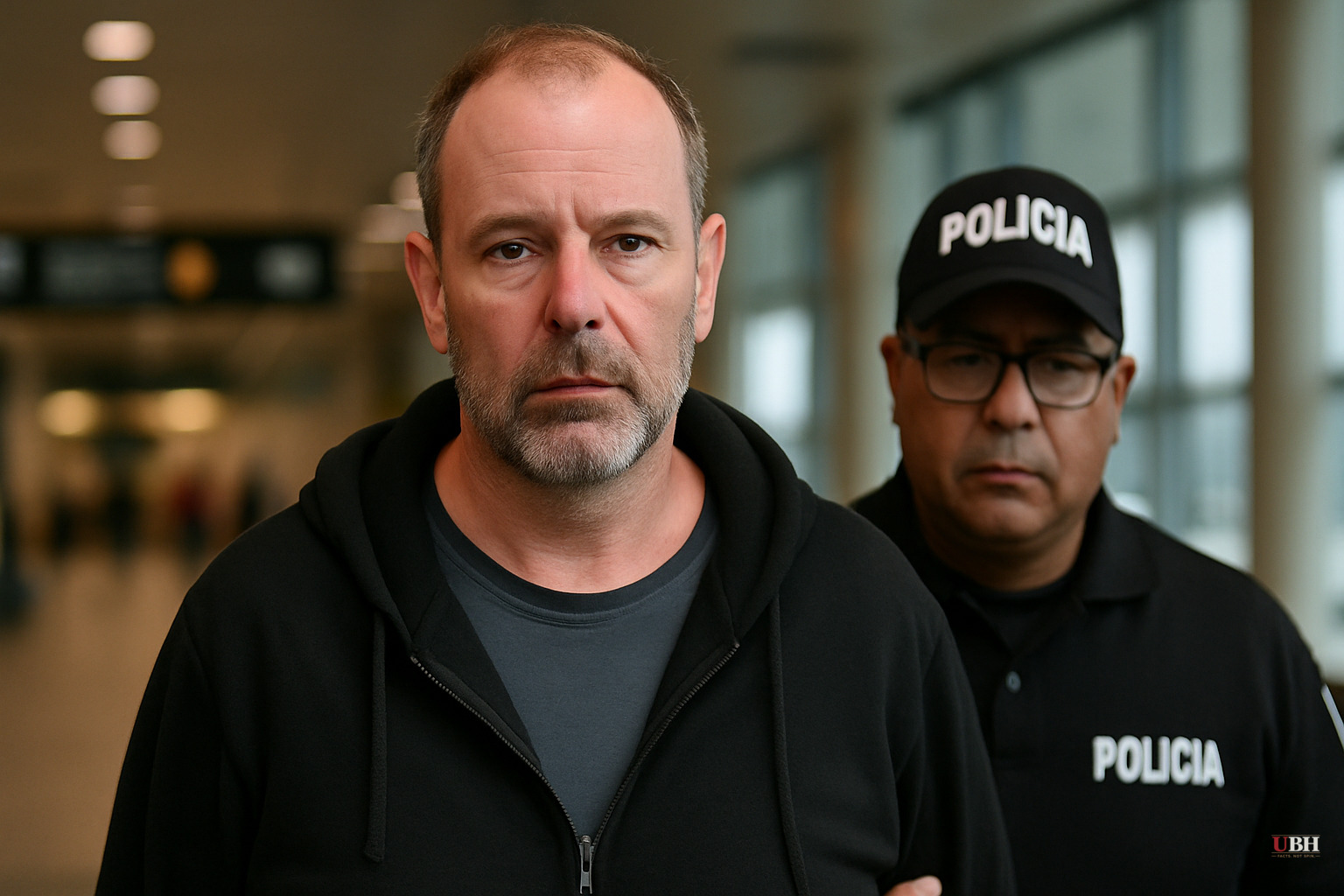
On June 18, the body of Natalia Villalba, 36, was found inside a suitcase in Bogota, Colombia. Colombian prosecutors allege Matthew Ashley Foster-Smith, a 46-year-old British national from Bournemouth, Dorset, beat Villalba to death in an apartment, attempted to conceal the crime, and then fled the country.
The Attorney General's Office in Colombia obtained an arrest warrant and prosecutors secured an Interpol Red Notice. Foster-Smith was apprehended at Quito International Airport in Ecuador.
Bogota's mayor, Carlos Fernando Galan, confirmed that Dorset Police assisted in locating Foster-Smith. A spokesperson for the UK's Foreign, Commonwealth and Development Office said: "We are supporting a British man who has been detained in Ecuador and are in touch with the local authorities."
Prior Criminal History and Court Orders
Foster-Smith was previously convicted of stalking offences committed in 2023 and sentenced to two years and two months in prison.
Upon his release, Poole Magistrates' Court issued a stalking prevention order in January—described by the BBC as indefinite—with conditions that required Foster-Smith to maintain regular contact with Dorset Police, notify them of his address and vehicle details, and prohibited him from contacting his victims. He also faced restrictions on his use of electronic communication devices.
Dorset Police had not commented as of the time of publication.
The Prevention Order Question
Foster-Smith was under active court-ordered supervision, required to stay in regular contact with police, when he allegedly traveled internationally, killed a woman, and fled to a second country before being caught.
The strongest counter-argument is genuine. Stalking prevention orders are civil tools, not prison sentences. Monitoring compliance in real time, particularly for someone traveling abroad, is operationally difficult. Critics of aggressive post-release supervision correctly point out that indefinite restrictions raise civil liberties concerns and that courts cannot reasonably anticipate every future crime a released offender might commit.
This argument raises questions about whether the supervision framework worked as designed. Whether Foster-Smith's compliance with the prevention order was being actively monitored, and whether his departure from the UK flagged any alert, are questions Dorset Police have not yet answered publicly.
Where This Goes Next
Foster-Smith is currently in custody in Ecuador. Colombia holds an active arrest warrant, and extradition proceedings will likely be the next legal step—though the timeline depends on Ecuador-Colombia extradition procedures and whether Foster-Smith contests the process.
The allegations against him remain unproven in court. He is entitled to a legal defense, and Colombian prosecutors will need to establish the case at trial.
One question remains: did Foster-Smith notify Dorset Police of his travel to South America as required by the prevention order, and if so, what action, if any, was taken? That answer will determine whether the supervision framework worked as designed or failed the very victim it was meant to protect.
Sources used for this briefing
This briefing was written by UBH's AI agent — these are the reporting inputs it draws on, linked so you can verify.


