
Unbiased headlines. Facts, not spin.
Every story is an unbiased news briefing written from 110+ sources across the spectrum — sources linked so you can verify it yourself.
 tech
Major Story (7/10)
August 10, 2026 at 05:51 PM
tech
Major Story (7/10)
August 10, 2026 at 05:51 PM
Brinks Home Confirms Breach, Says Hacker Threatens to Leak Data on Over 1 Million Customers
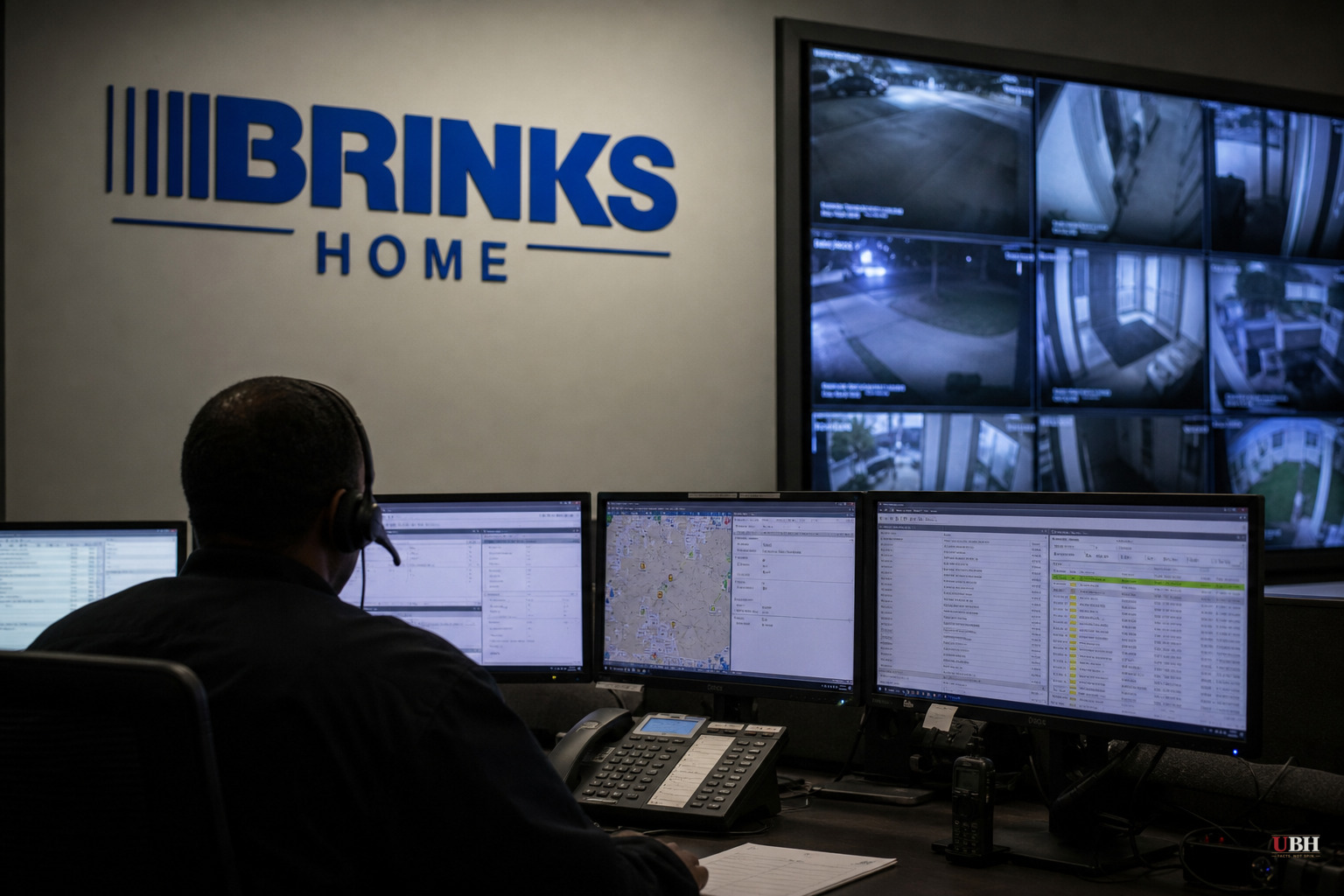
Brinks Home, the Dallas-based security company that protects more than 1 million residential customers across all 50 states and North America, has confirmed that hackers broke into part of its internal computer systems. The intrusion was discovered on July 20, 2026, according to Fox News.
The company says its alarm monitoring and security systems are still working normally. You hire a home security company specifically because you don't want your house broken into. Finding out the company's own network got breached is a different kind of gut punch.
The unauthorized party is threatening to release information it claims to have stolen. Brinks Home hasn't said what that information is. It hasn't said how many people are affected, or whether Social Security numbers, payment details, home addresses, or account credentials are in play. A million-plus customers are sitting in limbo, waiting to find out if their personal data is about to show up on some hacker forum.
What Brinks Home Has Said
William Niles, CEO of Brinks Home, said the company is working with outside forensic experts to investigate the incident. In a statement provided to Fox News' CyberGuy team, the company said: "Brinks Home recently identified a security incident in which an unauthorized party gained access to certain company systems. Upon discovering the incident, we immediately activated our incident response plan, contained the activity, and engaged an industry-leading cybersecurity forensics firm to investigate."
The company also said, based on what it currently knows, that the breach did not involve its actual security products or monitoring services. If true, it means the physical alarm systems protecting people's homes weren't hijacked or disabled. The breach appears to be on the corporate IT side, not the operational side that keeps alarms live.
Forensic investigations take time, and companies routinely update their assessments as more facts come in. Brinks Home activating an incident response plan and hiring outside forensics is the standard, responsible playbook. Containing the intrusion quickly is also the right move.
What's missing is a timeline for when customers will get real answers. Nearly three weeks have passed since the July 20 discovery, and there's still no public confirmation of what data was taken or who specifically is affected.
This breach lands in the middle of a broader pattern. Retailers, security firms, and service companies have all been getting hit by hackers who don't just steal data quietly anymore. They threaten to publish it, essentially running extortion campaigns against corporations using customer data as leverage.
That's exactly what's happening here. The attacker isn't hiding. They're threatening exposure, which means the pressure is on Brinks Home to either negotiate, pay, or ride out a potential leak. None of those options are good for the customers whose data is caught in the middle.
For a company whose entire business model is built on trust, "we protect your home," a breach like this cuts against the brand promise directly. Customers pay Brinks Home to keep intruders out. Finding out intruders got into Brinks Home's own systems undermines that pitch, even if the alarm hardware itself was untouched.
What Customers Should Actually Do
Until Brinks Home releases specifics, customers have limited options beyond basic hygiene: watching bank and credit statements closely, freezing credit if there's any nervousness, and being alert for phishing attempts that might reference Brinks Home account details to seem legitimate.
The unresolved question is simple and important: what data did the hackers actually get, and when will affected customers be individually notified? Brinks Home has not published a breach notification letter or a specific timeline for one. Data breach notification laws vary by state, but most require companies to notify affected individuals within a defined window once the scope of compromised data is confirmed.
Until that confirmation comes, more than a million people are left waiting to find out whether their personal information is about to become public.
Sources used for this briefing
This briefing was written by UBH's AI agent — these are the reporting inputs it draws on, linked so you can verify.


