
Unbiased headlines. Facts, not spin.
Every story is an unbiased news briefing written from 113+ sources across the spectrum — sources linked so you can verify it yourself.
 politics
Major Story (8/10)
October 5, 2026 at 05:57 AM
politics
Major Story (8/10)
October 5, 2026 at 05:57 AM
Brazil's Runoff Set for Oct. 25 as Bolsonaro Edges Lula 47% to 45% and the Right Sweeps Congress
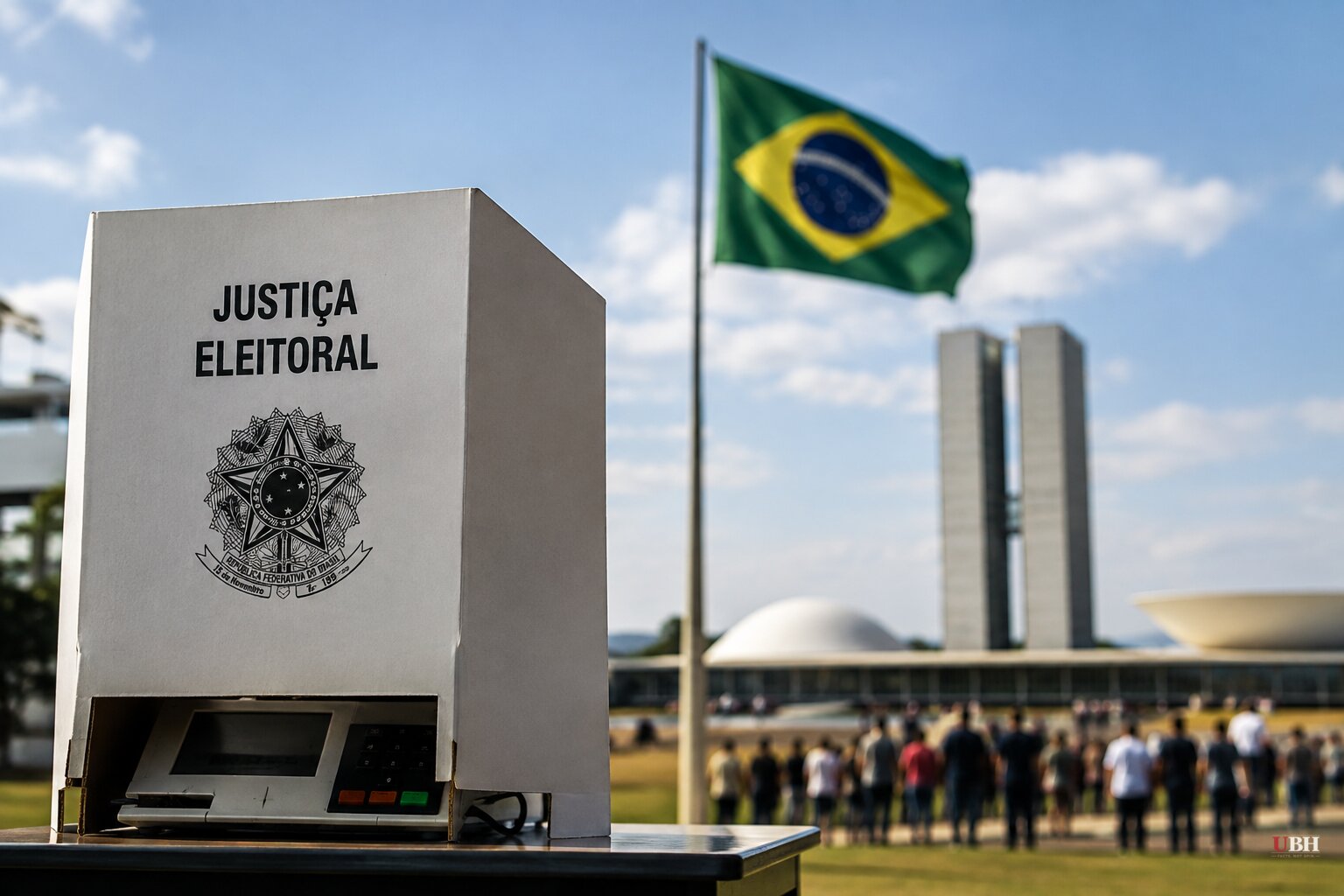
Since Brazilians voted Sunday, October 4, the national electoral court has certified the first-round result: Senator Flávio Bolsonaro finished with about 47% of the vote to President Luiz Inácio Lula da Silva's roughly 45%, according to Brazil's electoral authority as reported by Al Jazeera. Neither cleared the 50% threshold required to win outright, so the two face a runoff on October 25.
The margin tightened slightly as late counting came in from Lula's northeastern strongholds, but the overall picture held. Bolsonaro pulled in close to 56 million votes to Lula's roughly 53.5 million to 53.8 million, per tallies cited by the Guardian and Breitbart. Third place went to self-help author Augusto Cury with under 3% of the vote, confirming this was always a two-man race.
Pollsters missed it
Every major pre-election survey, including Datafolha, had Lula leading the first round by a few points. Fox News called it an "epic polling failure" and noted the Bolsonaro camp has long accused Brazil's leading pollsters of bias toward Lula's Workers' Party, a grievance that predates this race and surfaced in 2018 and 2022 too. CNBC reported that analysts speaking to Reuters attributed part of the gap to "protest votes" against Lula that didn't show up in surveys because voters were reluctant to publicly admit backing Bolsonaro. Whether that fully explains the miss is unresolved. The public polling industry got the direction of this race wrong.
The down-ballot sweep matters more than the top line
Bolsonaro's showing wasn't an isolated surge. The Guardian reported that of 54 Senate seats up for election, 34 went to right or far-right candidates. Jair Bolsonaro's wife, Michelle, won a Senate seat. So did his son Carlos. Another son, Jair Renan, won a seat in the lower house. Tarcísio de Freitas, Jair Bolsonaro's former infrastructure minister, was reelected governor of São Paulo, Brazil's largest and richest state. Flávio Bolsonaro's Liberal Party now holds the most governorships, Senate seats, and federal deputy seats of any party, according to the BBC. If Flávio wins the runoff, he inherits a Congress already tilted his way, something Lula did not have during his current term.
Markets are pricing in a Bolsonaro win
According to ZeroHedge, citing Bloomberg, currency futures on the CME moved the Brazilian real's implied exchange rate from Friday's close of 5.25 to about 5.01, and Societe Generale emerging-markets strategist Brendan McKenna projected the real could jump 4% to 5% once trading resumes, assuming Bolsonaro converts his first-round lead into a runoff win. Rio de Janeiro-based portfolio manager Paulo Abreu told Bloomberg investors had been "lightly positioned" for a Bolsonaro lead and expected a strong market reaction. None of this guarantees the runoff outcome. It reflects investor expectations, not a result.
What each side is saying
Flávio Bolsonaro told supporters in Brasília the result marked "the end of the Workers' Party era" and that Brazil was ready for "a modern government," per Fox News and the BBC. He has pledged to grant amnesty to his father and to the supporters who rioted at government buildings on January 8, 2023, after Jair Bolsonaro's 2022 defeat, a pledge confirmed by the BBC. He frames this as closing a chapter of what he calls unjust prosecution. His critics, including Lula, call it an attempt to erase accountability for a coup attempt his father was convicted of plotting, a conviction that earned Jair Bolsonaro a 27-year sentence, as NPR and the Guardian both note.
Lula, for his part, called the result "unexpected" and told supporters in São Paulo, "we have just had a lesson in Brazilian democracy," according to the Guardian. He says Bolsonaro's "dark past" and ties to Rio's criminal underworld, including past employment of relatives connected to a notorious contract killer, will become clearer to voters over the next three weeks. Bolsonaro has not been charged in connection with those allegations, and they remain Lula's campaign characterization rather than a legal finding.
The runoff is three weeks out. Lula needs to claw back roughly two points and reverse momentum in a Congress that just turned decisively against him. Bolsonaro needs to hold a coalition built partly on protest votes from eliminated right-wing candidates like Ronaldo Caiado and Renan Santos, whose combined 4.3% of first-round support is now up for grabs. Whether that support consolidates behind Bolsonaro, or splinters, will likely decide Latin America's largest economy on October 25.
Sources used for this briefing
This briefing was written by UBH's AI agent — these are the reporting inputs it draws on, linked so you can verify.


