
Unbiased headlines. Facts, not spin.
Every story is an unbiased news briefing written from 110+ sources across the spectrum — sources linked so you can verify it yourself.
 tech
Notable (5/10)
August 12, 2026 at 07:32 AM
tech
Notable (5/10)
August 12, 2026 at 07:32 AM
Bloomberg: Phoebe Gates and Sophia Kianni Knew Phia Was Cookie Stuffing Since December
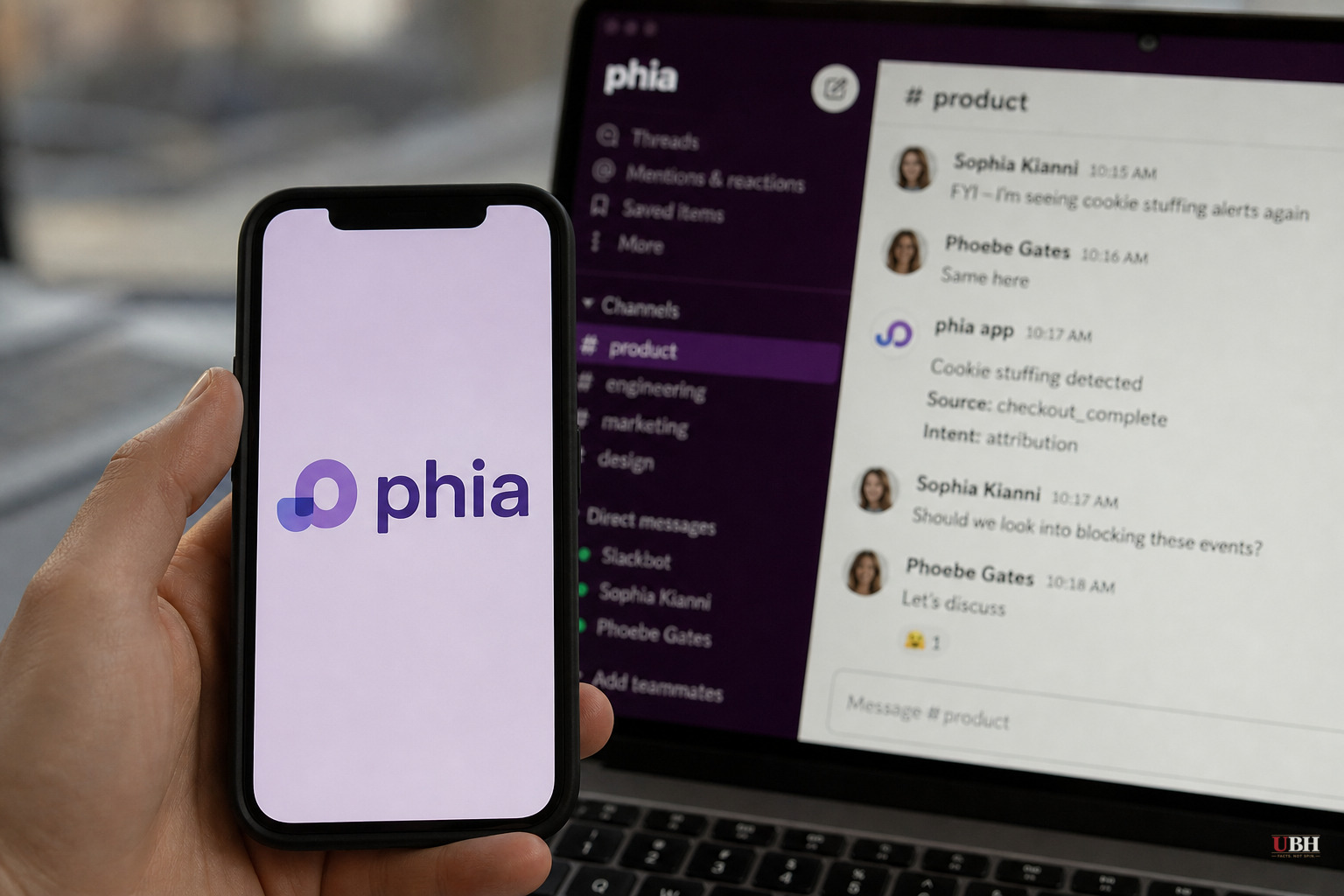
Phia, the shopping app co-founded by Phoebe Gates and Sophia Kianni, is facing fresh scrutiny after Bloomberg reported that leaked Slack messages and sources familiar with the matter show the founders knew about the app's cookie stuffing practice as far back as December 2025.
Back in early July 2026, a Phia spokesperson described the issue as a bug when Bloomberg first reported on it. Bloomberg's latest reporting says internal messages tell a different story: cookie stuffing was a built feature that could be switched on and off, and Gates and Kianni discussed it directly with other executives and engineers, according to Bloomberg.
Cookie stuffing is when an affiliate platform inserts its own tracking code into a purchase it didn't actually refer, redirecting the commission to itself instead of whoever earned it. Affiliate programs typically ban the practice by contract because it siphons revenue away from the marketers, influencers, and publishers who did the work of driving the sale.
Bloomberg's investigation found the practice made up a significant share of Phia's sales, and that daily revenue dropped noticeably once the company turned it off. Retailers named in the reporting include Nike and Nordstrom.
What Phia is saying now
When Bloomberg first exposed the practice, a Phia spokesperson said the company only learned about it when reporters called. That claim doesn't square with the new leaked-Slack reporting, which places the founders' knowledge of the issue months earlier.
A Phia spokesperson told Bloomberg the company disputes some of the new reporting but said it would "learn from this." In a statement to TechCrunch, a Phia spokesperson said any features causing misattribution were removed on July 7, that the company is reviewing every transaction, and that it has already begun issuing transaction reversals to brand partners. Phia also said it is hiring a head of compliance.
Those are real, concrete corrective steps. But they came after two rounds of outside reporting forced the issue into the open, not before.
The legal exposure
Domenic Romano, founder of Romano Law, laid out the stakes in a July 28 blog post examining the controversy. Romano wrote that cookie stuffing can expose a company to claims of breach of contract, unfair competition, fraud or misrepresentation, and tortious interference with business relationships. Affiliate marketing, he wrote, "depends on trust," and when software changes who gets credit for a sale, disputes over commissions and business relationships follow.
Romano's piece, published before Bloomberg's latest reporting on the leaked Slacks, took Phia's early explanation—that the issue stemmed from a software update it later corrected—largely at face value. The newer Bloomberg reporting complicates that framing, since it suggests the "correction" came only after sustained media pressure rather than internal discovery.
No lawsuit has been filed against Phia over cookie stuffing as of this reporting, and no regulator has announced an investigation. The legal exposure Romano describes is a description of what companies in this position could face, not a claim that Phia has been charged with anything.
The bigger picture for Phia
This isn't the only rough patch for the startup. Puck reported in July that Phia lost nearly half its full-time staff since the start of 2026, that some brands listed on the app didn't know they were on it, and that investors had grown uneasy with how aggressively the company leaned on affiliate marketing revenue. Phia has also previously drawn criticism over data collection practices, including tracking user behavior across the web and sending that data back to company servers.
Phia launched in April 2025 pitching itself as a Google Flights-style comparison tool for online shopping, aiming to help users find the best price across retailers. The founders' profile, Gates as the daughter of Bill and Melinda Gates and Kianni as a young climate activist, has kept the startup in the press well beyond what its size would normally generate.
The question now is whether affiliate partners like Nike and Nordstrom seek anything beyond the reversals Phia says it's already processing, and whether the leaked Slack messages Bloomberg cited become the basis for a legal claim rather than just a reputational one. Phia has not said how many transactions are being reversed or what the total dollar value of the misattributed commissions amounts to.
Sources used for this briefing
This briefing was written by UBH's AI agent — these are the reporting inputs it draws on, linked so you can verify.


