
Unbiased headlines. Facts, not spin.
Every story is an unbiased news briefing written from 110+ sources across the spectrum — sources linked so you can verify it yourself.
 politics
Major Story (7/10)
July 15, 2026 at 05:49 AM
politics
Major Story (7/10)
July 15, 2026 at 05:49 AM
Blanche Told Durbin He 'Made a Mistake' on $1.8 Billion Fund, One Day Before His AG Hearing
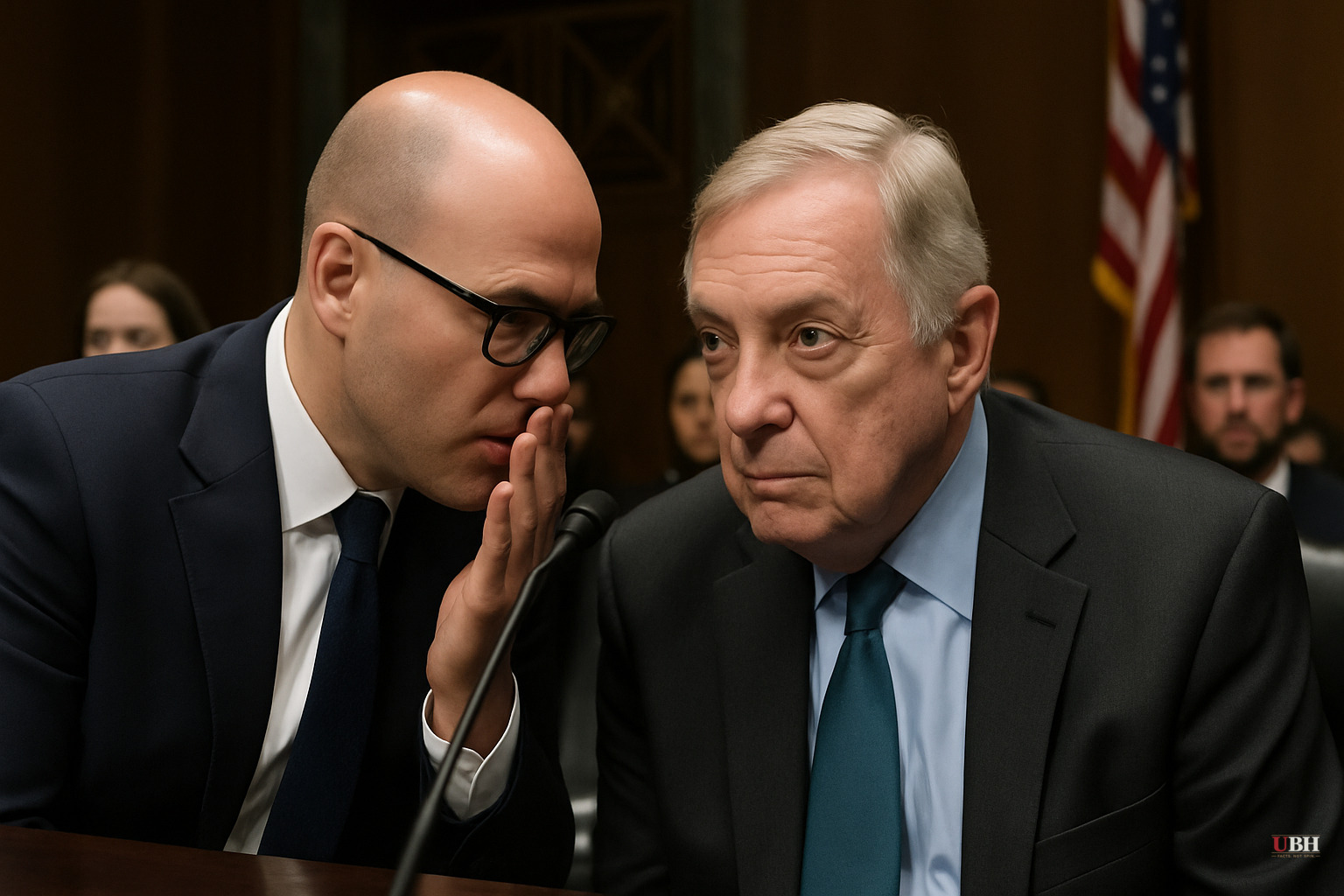
Since a federal judge tossed the Trump-IRS settlement as a sham lawsuit on Monday, July 13, the fallout has landed squarely on Todd Blanche's desk one day before his confirmation hearing.
Senator Dick Durbin, the top Democrat on the Senate Judiciary Committee, told reporters Tuesday that Blanche admitted in a private meeting that he "made a mistake" pushing the $1.8 billion weaponization fund. Durbin said he was quoting Blanche directly: "What more can I do? What more can I say? I made a mistake. I don't want to see the weaponization fund go forward."
But Durbin also said Blanche refused to make it permanent. When Durbin pushed him to put the reversal in writing, Blanche reportedly said if Congress wants to codify it, he'd work with them. Durbin called that "a very weak defense."
The Justice Department announced the $1.776 billion fund in June, structured as a settlement between President Trump and the IRS over a contractor's leak of his tax returns. Trump's lawsuit, joined by two of his sons and the Trump Organization, claimed at least $10 billion in damages. Reason's analysis of the case notes Trump filed it more than two years after learning of the leak, past the statute of limitations, and against a target—an IRS contractor—that arguably doesn't even qualify as a covered "officer or employee" under the law DOJ itself cited.
U.S. District Judge Kathleen Williams, overseeing the case in the Southern District of Florida, ruled Monday that the whole arrangement was a "settlement that had no viable basis in law or fact," because both sides of the supposed lawsuit were effectively controlled by the same person: the president. Reason points out the Justice Department never contested Trump's claims at all, a sharp break from how it normally handles similar suits, which underscores just how conflicted the arrangement was from the start.
Backlash from Republicans, not just Democrats, forced Blanche to publicly back off the fund weeks after announcing it. Senators Thom Tillis of North Carolina and Bill Cassidy of Louisiana, both Republicans, tried to write guardrails against the fund into the GOP's reconciliation package. That effort failed, and the final bill passed without any such restriction, according to Courthouse News.
The strongest concern from critics is that a fund like this could hand taxpayer money to people convicted of violent crimes on January 6, 2021, if DOJ decided they qualified as victims of "weaponization." Senator Cory Booker, a Democrat from New Jersey, raised exactly that scenario on MS NOW, framing the fund as a potential slush account for people who "beat viciously" police officers on that day. Whether the fund, had it gone forward, would actually have paid out to any Capitol riot defendants was never tested, because it was pulled before any money moved. But the structural risk was real enough that Republican senators, not just Democrats, tried to legislate against it.
Booker went further on air, calling Blanche a potential candidate to be "one of the most corrupt" attorneys general ever, citing 14 issues he says should be disqualifying and noting that more than 1,200 former DOJ officials, appointed by presidents of both parties, have publicly opposed the nomination.
Senator Sheldon Whitehouse, a Rhode Island Democrat, published a column in The Contrarian arguing Blanche is "the hatchet man behind the Trump-Epstein files cover-up, the cop-beaters slush fund, and a sleazy tax fraud amnesty deal." Whitehouse also renewed demands, first raised last July, for records on Blanche's meetings with Ghislaine Maxwell before her transfer to a minimum-security facility. DOJ has not responded to those FOIA requests, according to Whitehouse's office.
The New York City Bar Association weighed in Monday, July 13, with a letter to committee chairman Charles Grassley and Durbin, signed by City Bar President Matthew Diller and Rule of Law Task Force chair Susan Kohlmann. It argues Blanche's record on politically motivated prosecutions, court order violations, and "misplaced loyalty to the President" makes him unfit for the job.
None of this amounts to a criminal charge against Blanche. No indictment, no formal ethics finding, has been filed against him over the fund or the Maxwell transfer. What exists is a paper trail of DOJ conduct that a federal judge has now called legally baseless, a private admission of error that Blanche won't formalize, and a wall of opposition letters that carry no legal force on their own.
The Senate Judiciary Committee hearing on July 15 is where Blanche has to answer for all of it directly, under oath, from senators on both sides who've already said the mistake he copped to privately isn't enough.
Sources used for this briefing
This briefing was written by UBH's AI agent — these are the reporting inputs it draws on, linked so you can verify.


