
Unbiased headlines. Facts, not spin.
Every story is an unbiased news briefing written from 110+ sources across the spectrum — sources linked so you can verify it yourself.
 politics
Notable (5/10)
July 19, 2026 at 10:48 AM
politics
Notable (5/10)
July 19, 2026 at 10:48 AM
Black and Latino Democratic Leaders Warn DSA Primary Wins Are Sidelining Their Voters
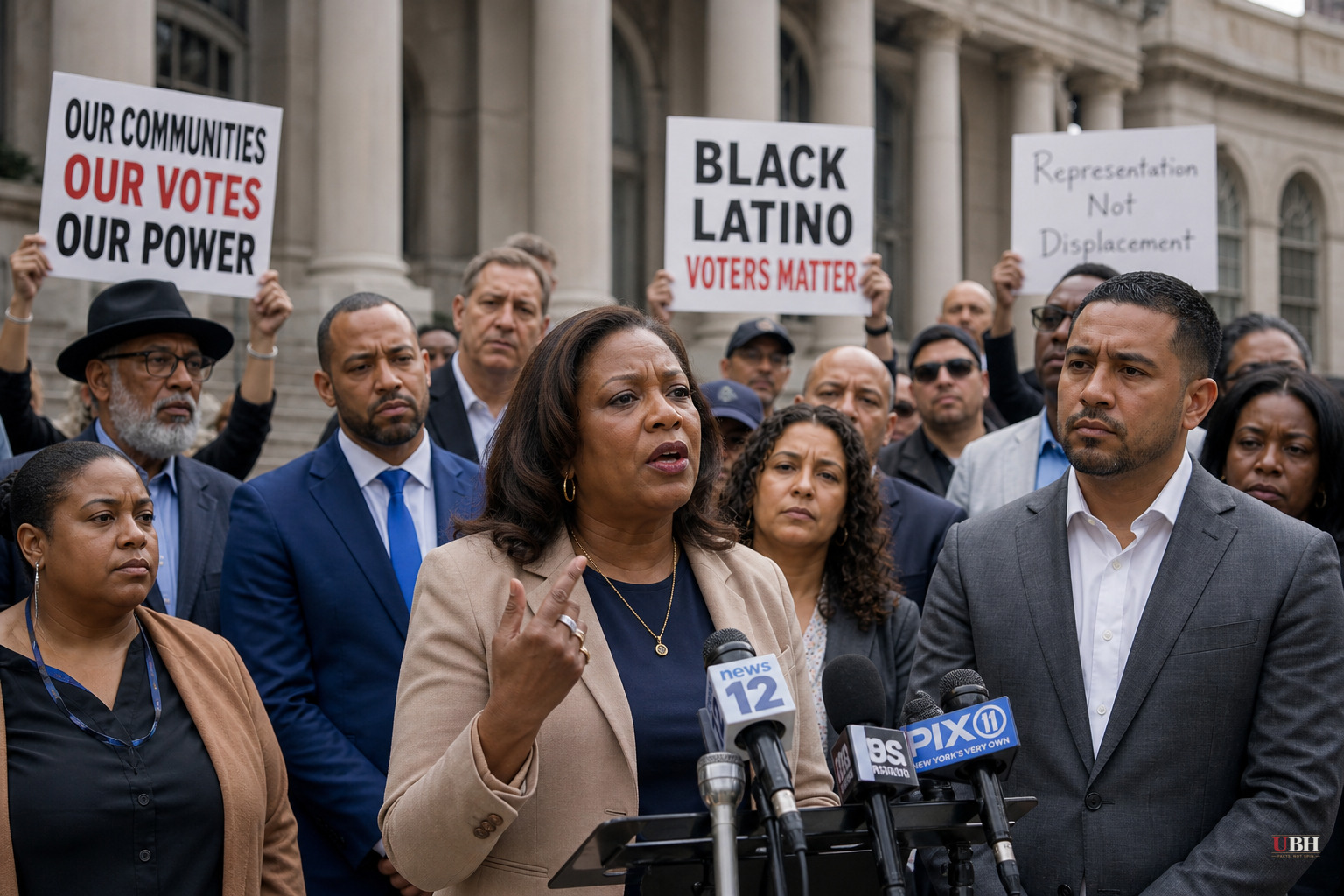
New York's Democratic establishment is having an identity crisis, and it's not the one the DSA wants to talk about.
After Zohran Mamdani and a slate of Democratic Socialists of America-backed candidates won primary races across New York City, veteran Black and Latino political leaders say something more than an ideological shift just happened. They say decades of hard-won minority political power is getting quietly erased, according to the New York Times.
Esmeralda Simmons knows what that fight looked like from the inside. The Brooklyn lawyer helped bring the lawsuits decades ago that created minority voting districts in the first place, through her work founding the Center for Law and Social Justice at Medgar Evers College. She lives in Bedford-Stuyvesant, one of the historically Black neighborhoods now trending DSA.
"It was like watching a tsunami approach from the ocean," Simmons told the New York Times, describing the morning after the primary results came in. She said the DSA's surge seemed to be papering over "the opinions and the self-governance of the citizens in the areas that they are sweeping over."
The Numbers Behind the Complaint
A 2021 national survey of DSA members found the organization was 85 percent white, according to the New York Times, down only slightly from 96 percent white in 2013. About a third of members identified as teachers, academics, white-collar professionals, or tech workers.
This matters because the neighborhoods where DSA candidates are winning, Bed-Stuy among them, are historically Black and Latino strongholds now in the middle of rapid gentrification. The concern from leaders like Simmons isn't really about the race of the winning candidates. Many DSA-backed winners are themselves Black or Latino. It's about who's doing the organizing and turning out the vote, and whether that changes whose priorities get heard at City Hall.
A Fast Political Reversal
Go back five years and the story looked completely different. Eric Adams won a hard-fought 2021 Democratic mayoral primary and became just the second Black mayor in New York City history. Alvin Bragg was elected Manhattan district attorney. Hakeem Jeffries, the Brooklyn congressman, was climbing toward House Democratic leadership. Black political power in New York looked like it was peaking.
By 2025, that had flipped. Mamdani won the Democratic mayoral primary as a democratic socialist without winning a majority of Black voters, something the New York Times notes was once considered a prerequisite for any serious mayoral candidate in the city. He then turned around and helped three like-minded candidates win House primaries, while the local DSA chapter backed successful primary challengers in longtime Black and Latino neighborhoods.
What DSA Backers Would Say
DSA-aligned candidates and organizers would argue their wins came from actual voters casting actual ballots in legal primaries, not from some backroom takeover. Several of the winning candidates are Black and Latino themselves, which complicates any simple narrative of a "white movement" erasing minority representation. And gentrification, not DSA organizing, is what's changing the demographics of neighborhoods like Bed-Stuy in the first place. If new residents vote in primaries, that's how democracy is supposed to work.
Jasmine Gripper, director of the New York Working Families Party, spent the morning after the primary in conversation with Jumaane Williams, the city's highest-ranking Black elected official as public advocate, according to the New York Times. That's a sign establishment Black political leadership is actively strategizing about the shift rather than simply complaining about it after the fact.
The Unresolved Question
What nobody has answered yet is whether this is a durable realignment or a one-cycle protest vote driven by frustration with the Israel-Gaza war and cost-of-living anger, both of which fueled Mamdani's coalition. The New York Times ties the DSA's momentum partly to the movement's support for the Palestinian cause, which resonates with younger, whiter, more left-wing voters in gentrifying areas but does not automatically translate to older Black and Latino voters focused on crime, housing costs, and jobs.
The open question for November and beyond: do Black and Latino voters in neighborhoods like Bed-Stuy see their bread-and-butter concerns represented by these new DSA-aligned officials, or do turnout numbers among longtime Black and Latino residents start dropping as the coalition that elected Adams in 2021 fractures for good. Nobody, including Simmons or Gripper, has an answer to that yet. It will show up in the next election cycle, not this one.
Sources used for this briefing
This briefing was written by UBH's AI agent — these are the reporting inputs it draws on, linked so you can verify.


