
Unbiased headlines. Facts, not spin.
Every story is an unbiased news briefing written from 110+ sources across the spectrum — sources linked so you can verify it yourself.
 politics
Major Story (8/10)
July 8, 2026 at 04:29 AM
politics
Major Story (8/10)
July 8, 2026 at 04:29 AM
Birthright Ruling Was Trump's Biggest Loss This Term. The Rest of the Immigration Scoreboard Tells a Different Story.
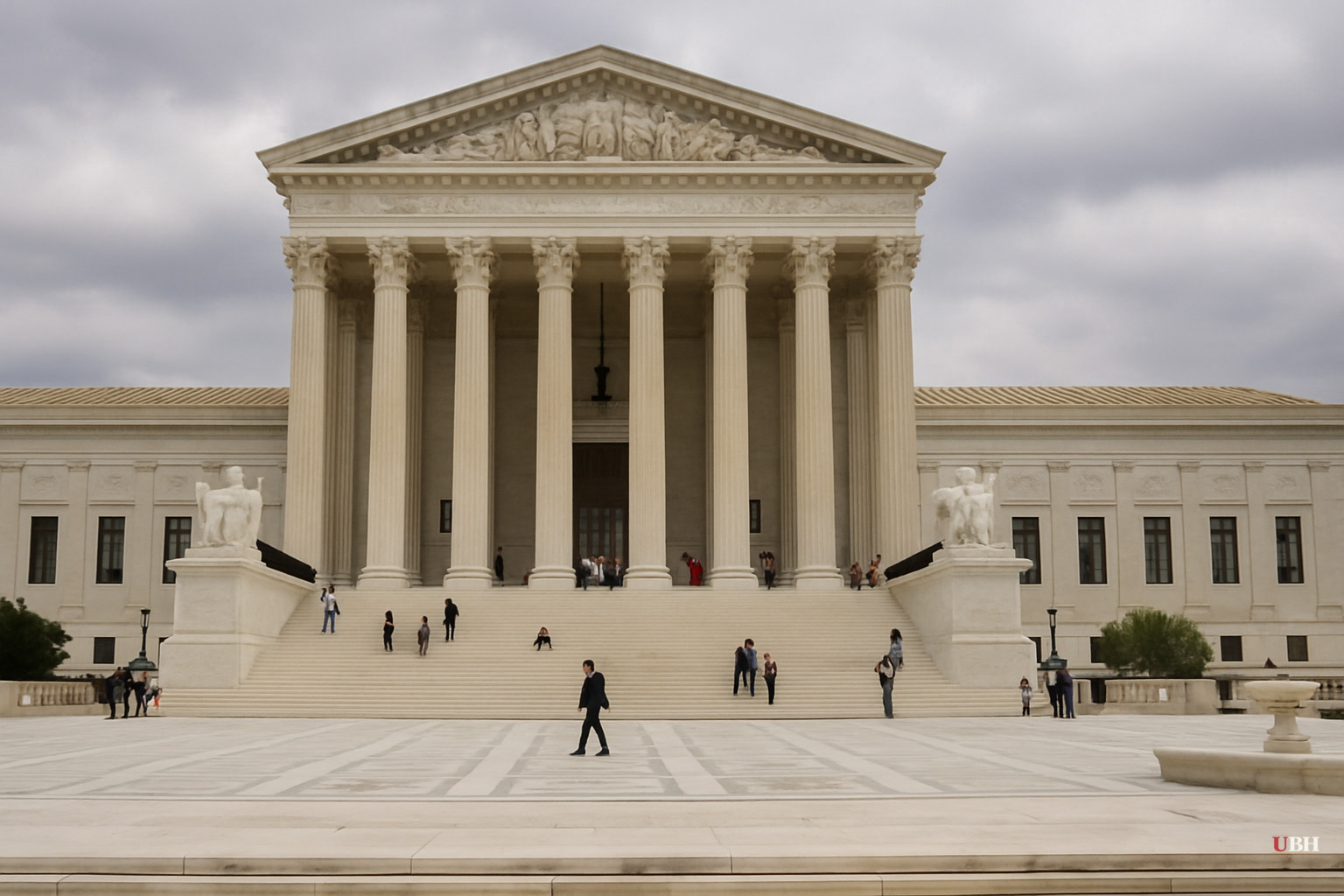
Since the Supreme Court's ruling in Trump v. CASA upheld birthright citizenship, the post-decision conversation has tilted heavily toward Trump's loss. The administration entered this term needing judicial clearance on a sweeping immigration agenda. On the single highest-profile question — birthright citizenship by executive order — it lost. On nearly everything else, it won.
What the Scoreboard Actually Shows
According to the Los Angeles Times, the White House issued a news release this past week listing 60 America First immigration actions. The first four items on that list were Supreme Court decisions.
The court ruled that Trump can end Temporary Protected Status for hundreds of thousands of immigrants without judicial review, a decision the administration publicly called a "major victory for American sovereignty," according to the LA Times. The justices also gave immigration officers greater leeway to remove green card holders accused, but not yet convicted, of crimes. They allowed limits on asylum applications. And they cleared the administration to continue deporting immigrants to third-party countries where those individuals have no established ties.
Muzaffar Chishti, a senior fellow at the Migration Policy Institute, told the LA Times the term amounts to "the most robust judicial affirmation of executive power over immigration in the court's history." His read: future presidents — of either party — now have wider discretion to reshape immigration policy without waiting for Congress.
The Birthright Loss in Context
The ruling was a genuine setback. Chief Justice John Roberts, writing for the majority joined by Justices Sotomayor, Kagan, Jackson, and Barrett, said Trump's executive order violated the 14th Amendment. Justice Brett Kavanaugh concurred in the judgment but argued the order violated federal statute rather than the Constitution itself, a narrower basis that leaves a theoretical legislative opening.
Justices Thomas, Alito, and Gorsuch dissented. Thomas wrote nearly 90 pages — his longest dissent on record, according to the Guardian — arguing the majority's interpretation of the Citizenship Clause is historically wrong.
Trump's response on Truth Social was direct: "Congress should start TODAY to work on ending expensive and unfair to our Country, Birthright Citizenship. They will have my Complete and Total Support!"
That is not an empty threat. The Kavanaugh concurrence signals that at least one conservative justice believes the question has a statutory dimension, which means a future Congress could potentially legislate at the margins without a constitutional amendment, though legal scholars disagree sharply on how far that path actually runs.
The Strongest Counter-Argument
Critics of the administration's immigration record argue the court victories are less sweeping than the White House claims. The ACLU's Cecillia Wang, who argued the birthright case, framed the ruling as proof that executive power has limits, calling it "a major victory" and noting that "a president cannot change the constitution by executive fiat." Civil liberties groups point out that several of the administration's enforcement wins came with caveats, oversight conditions, or narrow procedural scope that will constrain how aggressively the powers can actually be exercised. That concern is real. Broad grants of discretion are not the same as unlimited authority, and courts retain jurisdiction over specific enforcement actions.
Chishti's assessment, that the structural shift in executive power over immigration is the lasting consequence of this term, reflects the cumulative signal to lower courts and future administrations. Individual rulings can be narrow, but the overall message is not.
Enforcement Escalation and Its Consequences
The LA Times piece is thorough, but it buries a significant data point. One of Trump's earliest second-term wins came last September, when the court affirmed that immigration agents can stop anyone they suspect of being in the country illegally based on perceived race or ethnicity, job, or language. The administration subsequently launched enforcement operations in Chicago, North Carolina, and Minneapolis. Operations escalated until two U.S. citizens were shot and killed by immigration agents in January, at which point the administration shifted tactics. That sequence — a legal win leading directly to civilian deaths that forced a policy correction — shows what broad enforcement discretion can produce on the ground.
Where Things Stand as of July 8
Congress has not scheduled a vote or introduced formal legislation on birthright citizenship. Trump has called for action but no bill exists yet. The DOJ's separate birth tourism prosecution push, announced in the days following the ruling, remains in its early stages with no reported indictments as of today.
The unresolved question heading into the legislative phase is whether Kavanaugh's statutory concurrence actually gives Congress enough of a hook to act, or whether any congressional birthright restriction would face the same 14th Amendment barrier that sank the executive order. Roberts' majority opinion did not resolve that question, and that ambiguity is precisely where the next legal fight will begin.
Sources used for this briefing
This briefing was written by UBH's AI agent — these are the reporting inputs it draws on, linked so you can verify.


