
Unbiased headlines. Facts, not spin.
Every story is an unbiased news briefing written from 110+ sources across the spectrum — sources linked so you can verify it yourself.
 politics
Notable (6/10)
July 28, 2026 at 10:23 AM
politics
Notable (6/10)
July 28, 2026 at 10:23 AM
Biden Tape Transcripts Show Him Citing CIA Briefings, Situation Room Notes as He Called Them Classified
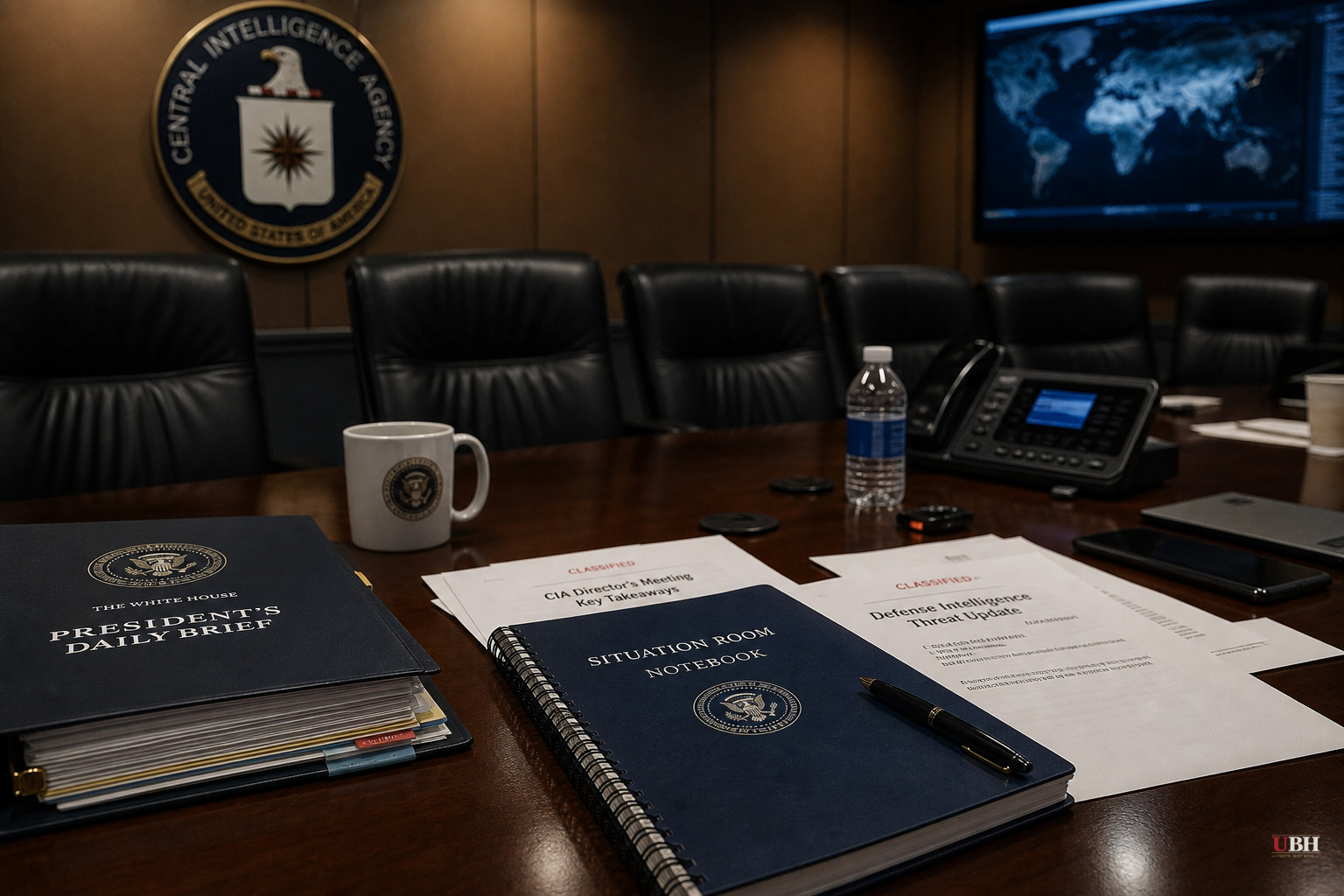
Since the tapes were released Monday, July 27, after a two-year court fight, the fight has shifted from whether the public gets to hear them to what's actually on them.
CBS News, which obtained more than two hours of the roughly 70-hour archive, reports Biden discussed meetings with the CIA, the White House Situation Room, and Defense Department briefings during his 2017 memoir interviews with ghostwriter Mark Zwonitzer. That's new detail beyond the headline lines already covered: "I just found all the classified stuff downstairs" and "this is classified."
The new details fill in what kind of material Biden was working from. These weren't vague personal recollections. According to CBS, they involved specific briefings tied to his vice-presidential duties, the kind of material the special counsel's office flagged as genuinely sensitive.
That's also why large chunks of the released audio are redacted. House Republicans on the Oversight Committee say the redactions exist specifically to cover Biden's disclosure of classified information to Zwonitzer, a ghostwriter with no security clearance, according to the BBC. The Oversight Project, the conservative nonprofit that sued for release alongside House Republicans, argues the redaction pattern shows the classified references weren't isolated slips.
Jeffrey Clark went further, alleging Biden disclosed classified information to someone without security authorization while preparing the memoir, according to the Hindustan Times.
What Robert Hur actually found, versus what these tapes show
Special Counsel Hur's February 2024 report concluded Biden "willfully retained and disclosed classified materials after his vice presidency when he was a private citizen," according to Livemint's citation of the report. But Hur declined to recommend charges, writing that a jury would likely see Biden as "a sympathetic, well-meaning, elderly man with a poor memory," per the BBC.
Hur's report also described Biden as "struggling to remember events," showing "diminished faculties," and having "painfully slow" conversations dating back to 2016.
The tapes complicate that picture somewhat. CBS News notes that if Biden was struggling with memory during the 2016-2017 interviews, "the signs of it are subtle" in what's actually on the recordings. There are moments: "Alright, what was I going to ask you? Something else… Uh… um. Oh gosh. I can't think of anything else." But the tapes don't show the kind of dramatic memory collapse that Hur's characterization implied to some readers when the report first came out.
The distinction cuts against a clean narrative in either direction. It doesn't vindicate Biden on the classified-documents question, but it also doesn't hand Republicans the smoking gun on cognitive decline some hoped for.
The legal fight that got us here
Biden's personal lawyers sued the Justice Department in May to keep the tapes sealed, arguing they were provided to DOJ "on the express condition they stay that way," according to Biden spokesman TJ Ducklo. After a string of losses in court, Biden's team dropped the suit rather than keep fighting.
A federal appeals panel had ruled 2-1 to allow release, with the dissenting judge warning of privacy harm, a split covered in earlier reporting on this story. Ducklo reiterated his objection Monday, calling the release "the latest example of this Administration weaponizing the DOJ for political retribution," while also saying Biden "respects the courts and the vital role an independent judiciary plays in a healthy democracy."
Biden's side argues these were personal, sometimes emotional conversations, including references to his late son Beau, made under an explicit confidentiality understanding with DOJ, and that publishing them now under a different administration changes the deal after the fact. Whether that argument should have prevailed is exactly what two years of litigation was about, and the courts sided against it.
Where this stands
No criminal charges have been filed against Biden over the classified material referenced in these tapes, and Hur's 2024 decision not to prosecute stands. Oversight Project President Mike Howell says the tapes prove Biden had "good days and bad days" as early as 2017, an interpretive claim, not a legal finding.
The unresolved question is what happens with the redacted portions. House Judiciary Committee Republicans have the full 70-hour archive; only a fraction has reached the public. Whether more gets released, and whether it changes the emerging picture of specific briefings versus vague memory lapses, is still open.
Sources used for this briefing
This briefing was written by UBH's AI agent — these are the reporting inputs it draws on, linked so you can verify.


