
Unbiased headlines. Facts, not spin.
Every story is an unbiased news briefing written from 110+ sources across the spectrum — sources linked so you can verify it yourself.
 politics
Notable (5/10)
July 22, 2026 at 08:17 AM
politics
Notable (5/10)
July 22, 2026 at 08:17 AM
Bernie Sanders Is Bankrolling Primary Challenges Against Sitting House Democrats
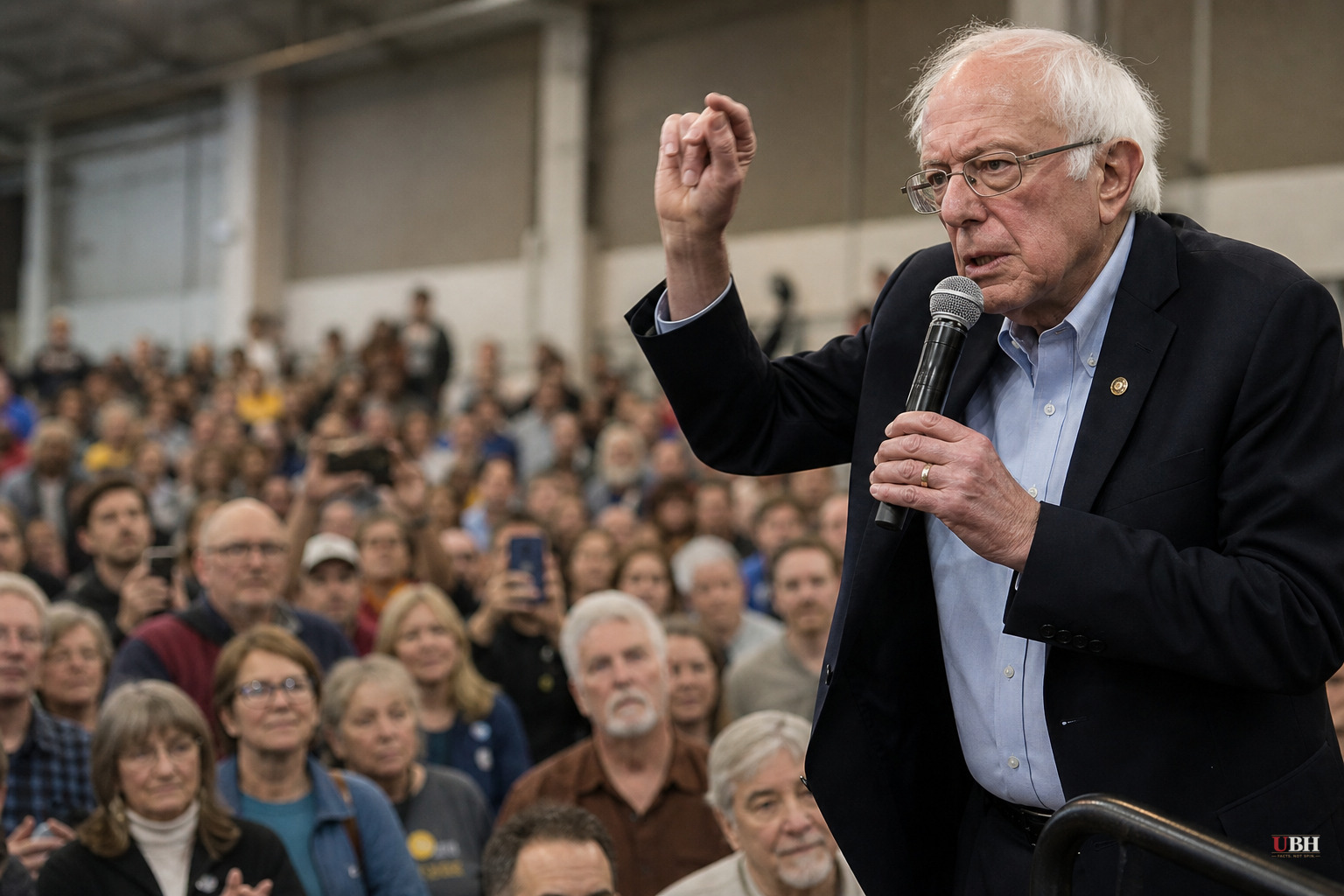
Democrats need a net gain in House seats this November to retake the majority and open up investigative power over the Trump administration. Sen. Bernie Sanders (I-Vt.) is spending part of the run-up to that fight targeting members of his own party.
Sanders has endorsed more than 90 candidates this cycle, according to ZeroHedge, and has backed primary challengers who successfully toppled sitting House incumbents in New York City and Colorado. Of the 60 Sanders-backed candidates whose races have already concluded, 42 have won, including 10 of 16 federal candidates.
One episode frequently cited in discussions of the Sanders-leadership rift dates back to the 2024 election cycle, when Sanders announced plans to help defeat Rep. Valerie Foushee, a sitting House Democrat and member of the Congressional Black Caucus, by backing primary challenger Nida Allam in North Carolina. According to CNN, citing three Democrats familiar with the matter, House Democratic leader Hakeem Jeffries personally called Sanders at the time to warn him off interfering in House primaries during a cycle that could decide control of Congress.
Rep. Greg Meeks (D-N.Y.), who sat in on that call, told CNN that Sanders showed little concern about the warning. Jeffries later declined to characterize the exchange beyond calling it "honest." Foushee went on to defeat Allam in the March 2024 primary. That earlier confrontation has continued to shape how each side views the other heading into the current 2026 midterm cycle.
The Strategic Argument Underneath the Feud
Sanders and his allies argue that the party needs candidates who energize base voters, particularly younger and more progressive ones who have drifted away from consistent turnout. Their case: incumbents who play it safe in swing districts often fail to inspire enough enthusiasm to actually win, and a more combative, populist message on economic issues wins over voters who feel abandoned by both parties.
The opposing camp, which includes much of House Democratic leadership, argues the opposite. Swing districts are won by candidates who can appeal to moderate and independent voters, not by nominees who win progressive primaries but get crushed in November. From this view, Sanders is spending scarce primary-season money and attention fighting Democrats instead of saving it for Republicans, at the exact moment the party needs to project unity to retake the House.
Both arguments have some evidentiary support. Progressive-backed challengers have won in safely blue urban districts in New York City and Colorado, where a primary win is effectively a general election win. Whether that same strategy works in competitive swing districts like Foushee's in North Carolina was a much harder case for Sanders to make in 2024, since Foushee held on and the seat wasn't obviously more competitive because of the primary fight.
Graham Platner and the Maine Fight
Sanders also backed and defended Graham Platner, a Maine Senate candidate, even after the New York Times reported allegations of misconduct against him. The scope and nature of those allegations, and how Sanders responded to them beyond continuing his endorsement, remain a live and unresolved question in that race. Sanders has not walked back his support.
What Comes Next
Senior Washington Democrats, per CNN's reporting, have been frustrated that internal primary fights consume resources and attention during a midterm cycle Democrats view as winnable. Jeffries has not publicly escalated his earlier private warning to Sanders into an open break, and Sanders has continued endorsing challengers regardless.
In November, the practical test arrives. If Sanders-backed nominees win competitive general elections in districts Democrats need to flip the House, his strategy gets vindicated inside the party. If Democrats fall short of a majority and any of those seats were lost in districts where a more moderate nominee might have won, the recriminations from Jeffries' wing will be loud and immediate. Neither side has offered public polling data proving their theory of the electorate is correct, which means this argument gets settled by actual returns, not by whoever wins the messaging war between now and Election Day.
Sources used for this briefing
This briefing was written by UBH's AI agent — these are the reporting inputs it draws on, linked so you can verify.


