
Unbiased headlines. Facts, not spin.
Every story is an unbiased news briefing written from 110+ sources across the spectrum — sources linked so you can verify it yourself.
 politics
Notable (5/10)
July 30, 2026 at 07:45 AM
politics
Notable (5/10)
July 30, 2026 at 07:45 AM
Bernie Moreno Demands Fauci Apologize at Senate Hearing, Fauci Pleads the Fifth Instead
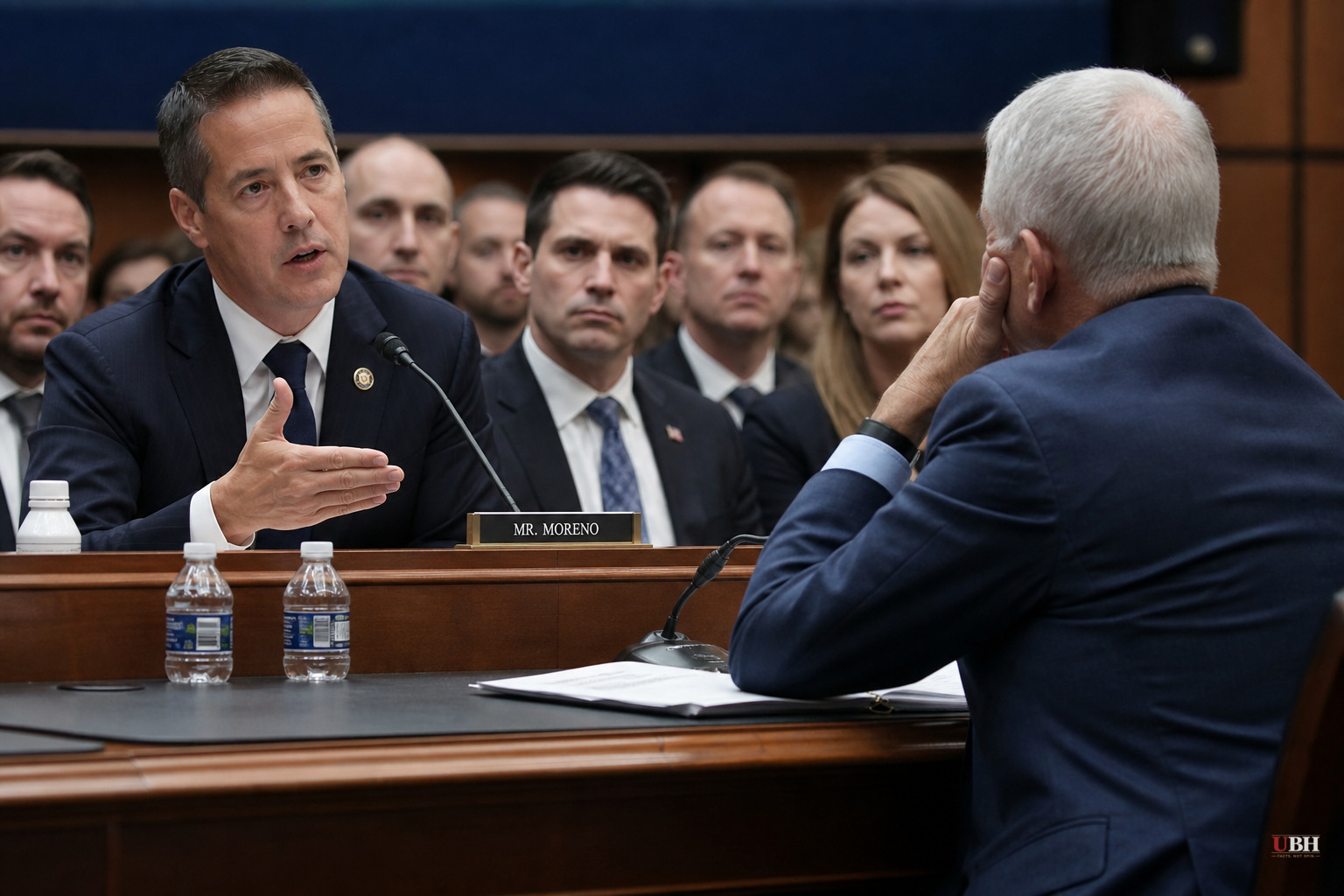
Since Rand Paul first hauled Anthony Fauci before the Senate Homeland Security and Governmental Affairs Committee this week, the hearings have produced the same result each time: Fauci invoking the Fifth Amendment and refusing to answer. Wednesday's session, where Fauci pleaded the Fifth all 111 times he was asked a question, also produced a pointed personal confrontation from Sen. Bernie Moreno of Ohio that stood out from the rest of the day's proceedings.
Moreno used his time not to ask about Wuhan lab funding or gain-of-function research, the subjects Rand Paul has repeatedly pressed Fauci on, but to describe how Fauci's pandemic-era guidance shaped his own decision to leave the private sector and run for the Senate. Moreno defeated Democratic incumbent Sherrod Brown in 2024.
Moreno told Fauci about an Ohio family he says was arrested for watching a football game outside without masks during the pandemic. "They were dragged out of that stadium and arrested," Moreno said, according to the Daily Signal. He said the policies enabling that arrest existed because "moronic politicians" listened to "a megalomaniac who was more interested in having met a Kardashian than the suffering of the American people," a direct reference to Fauci's public profile during the pandemic.
"That is you," Moreno told Fauci directly.
Moreno said the arrest was the moment that pushed him toward public office. "It was about six years ago today that I decided I'm going to give up my businesses, sell them all, run for office, run for the United States Senate," he said, adding: "Here I am sitting in front of you, six years later, saying who the f* do you think you were for doing that?"
The Apology Request
Moreno then asked Fauci directly whether he would apologize to Americans affected by pandemic policies he oversaw or endorsed. "Will you apologize? Just apologize to the people who you harmed through your actions. Do you have the dignity to just say you're sorry?"
Fauci did not answer the question. He invoked his Fifth Amendment right against self-incrimination, the same response he gave to nearly every question posed to him during Wednesday's hearing, including the questions from Rand Paul covered in earlier sessions this week.
Moreno then cataloged a list of grievances connected to pandemic-era policy: military service members discharged under President Biden for declining COVID vaccination, businesses that closed and never reopened, children as young as two forced to wear masks, and Americans who received booster shots that Moreno said were unnecessary.
He also turned his criticism toward Democratic senators who defended Fauci during the hearing, saying there is "no defense of what he did" and that Fauci's decades of public service "ends in total and complete disgrace."
Fauci received a preemptive pardon from President Biden in January 2025, meaning he cannot be criminally prosecuted for actions related to his government service during the period covered by that pardon. Invoking the Fifth Amendment despite a pardon is unusual, since the pardon should remove the risk of self-incrimination for covered conduct, and that tension has fueled Republican criticism throughout this week's hearings.
Whether specific mask or vaccine mandates were the direct, personal responsibility of Fauci himself, as opposed to state and local officials, employers, the CDC, and elected officials at every level who implemented them, is a fair question. Fauci was a top federal science adviser, not the official issuing arrest orders at a football stadium or crafting local enforcement policy. Moreno's framing places significant blame on Fauci personally for enforcement decisions made by other officials following federal guidance.
That said, Fauci was the most visible public face of the federal pandemic response for much of 2020 and 2021, and his public statements shaped guidance that state and local governments then translated into enforceable rules. Critics on the right have long argued that distinction doesn't excuse the substance of the guidance itself, including shifting positions on masking, natural immunity, and the origins of the virus.
What Comes Next
Rand Paul has already scheduled a contempt vote following Fauci's repeated refusals to answer questions across the hearings this week. Given Wednesday's hearing produced the same pattern, that vote is now the next concrete step in this story. Whether a Republican-controlled Senate committee actually moves to hold Fauci in contempt, and what legal consequences would follow given his 2025 pardon, remains unresolved.
Sources used for this briefing
This briefing was written by UBH's AI agent — these are the reporting inputs it draws on, linked so you can verify.


