
Unbiased headlines. Facts, not spin.
Unbiased Headlines is an independently owned news organization. We bring you the facts, not opinions, written fresh from 110+ named sources. Sources linked so you can verify it yourself.
 sports
Low Interest (3/10)
sports
Low Interest (3/10)
BCCI Tells Odisha High Court Cricket Isn't Covered by New Sports Law, Demands Overdue State Elections
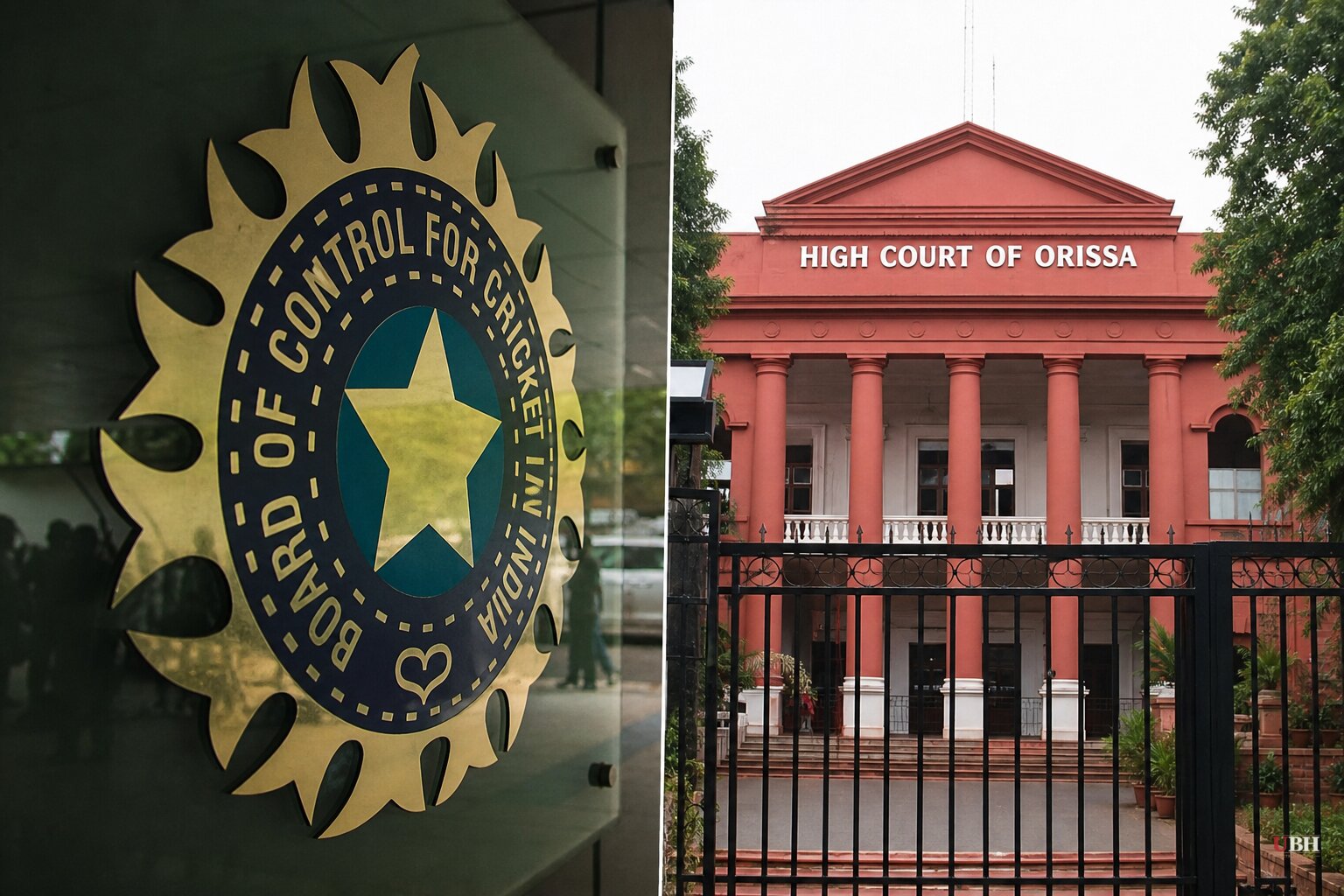
The Board of Control for Cricket in India wants the Odisha Cricket Association to hold overdue elections. At the same time, the BCCI is telling a court that a new national law governing sports bodies doesn't apply to cricket at all. Those two positions are creating real confusion inside Indian cricket's administrative ranks.
The dispute is playing out in the Orissa High Court. Former Odisha cricketer and coach Lalitendu Bidyadhar Mohapatra, along with the Cuttack-based Sunrise Club, filed a petition demanding OCA hold elections that were originally scheduled for October 2025. They never happened. The OCA postponed them twice, first at a Special General Meeting on August 31, 2025, and again on February 22, 2026, according to CricTracker.
OCA's current leadership has been in place since October 2019. President Pankaj Mohanty, secretary Sanjay Behera and treasurer Bikash Pradhan have all held their posts well past what would normally trigger a fresh vote. Pranab Prakash Das had actually won the OCA presidency in the last full election on October 28, 2022, but he resigned, and Mohanty was elected unopposed on February 15, 2025, per cricketaddictor.
The BCCI's Legal Argument
BCCI senior manager (legal) Melinda Colaco filed the board's affidavit after Justice Savitri Ratho ordered a response. The filing is blunt. "It's imperative that the Odisha Cricket Association should hold its election immediately," Colaco wrote, as quoted by Cricbuzz and reported by CricTracker.
The stakes are financial and structural. Under the BCCI's Memorandum of Association, any state association that fails to comply with Lodha Committee provisions loses eligibility for grants. Colaco's affidavit spells out what happens next: "If any association continues to be disentitled under Rule 3(b), for a continuous period of two years, then the BCCI may derecognise as a member."
The affidavit also invokes the Supreme Court directly, stating its rulings "are binding on the Odisha Cricket Association" and that the BCCI itself "discharges important public functions and is therefore amenable to writ jurisdiction."
Why OCA Delayed, and Why That Cuts Both Ways
OCA's defense isn't frivolous on its face. The association says it wanted clarity on the National Sports Governance Act 2025 before running elections under rules that might soon change, particularly given cricket's inclusion as an Olympic sport at the 2028 Los Angeles Games, according to CricTracker. Administrative caution about holding elections under one set of rules only to have a new law override them months later is understandable.
Several state associations reportedly believed elections would stay on hold until December 2026, based on a sports ministry notice issued last December, according to the Times of India. If that's what state units understood, OCA's delay looks less like stalling and more like following what it thought was the government's own signal.
But the BCCI's position undercuts that defense. In its own affidavit, the board states plainly: "Even though the National Sports Governance Act, 2025 has been enacted, the sport of cricket has not been notified as a 'designated sport' for the said National Sports Governance Act, 2025 to apply," per the Times of India. Translation: the new law doesn't govern cricket yet, so there's nothing to wait for. The BCCI argues OCA should stop citing a law that, in the board's own telling, isn't even in effect for cricket.
The Cooling-Off Fight
The sharpest friction point is term limits. The BCCI's existing constitution, amended after the 2019 Lodha Committee reforms, caps office-bearers at two consecutive terms, or six years, followed by a mandatory three-year cooling-off period, and a lifetime maximum of three terms or nine years, according to cricketaddictor. The new National Sports Governance Act contains no cooling-off requirement and loosens some conflict-of-interest rules, the Times of India reported.
That gap matters enormously for incumbents. Under the BCCI's stricter rules, officials who've overstayed their terms would have to step aside. Under the new Act, as currently understood by state units, they might not have to. The BCCI's affidavit noted OCA's own bylaws mirror the two-term cap, and argued "timely elections should be held in order to avoid continuation of any person for more than two terms consecutively and to uphold the spirit of the judgment of the Hon'ble Supreme Court."
The Central Government has not yet notified cricket as a "Designated Sport" under the 2025 Act. Until it does, the BCCI's position is that its own constitution and Supreme Court directions govern. Whether that holds once cricket does get designated, and what happens to sitting office-bearers when it does, remains unanswered.
Justice Savitri Ratho's court took up the matter August 27, and the Times of India reports the next hearing is scheduled for September. Until Orissa High Court rules, OCA's leadership stays in place, and the broader question of which rulebook actually governs Indian cricket administration stays unresolved.
Sources used for this briefing
3 links from 3 independent newsrooms (syndicated copies of the same report count once)
These are the sources it draws on, linked so you can verify.


