
Unbiased headlines. Facts, not spin.
Every story is an unbiased news briefing written from 110+ sources across the spectrum — sources linked so you can verify it yourself.
 tech
Notable (6/10)
July 24, 2026 at 04:38 PM
tech
Notable (6/10)
July 24, 2026 at 04:38 PM
AWS Outage in Oregon Knocks Out PSN, DoorDash, Reddit and Apple Pay for Hours
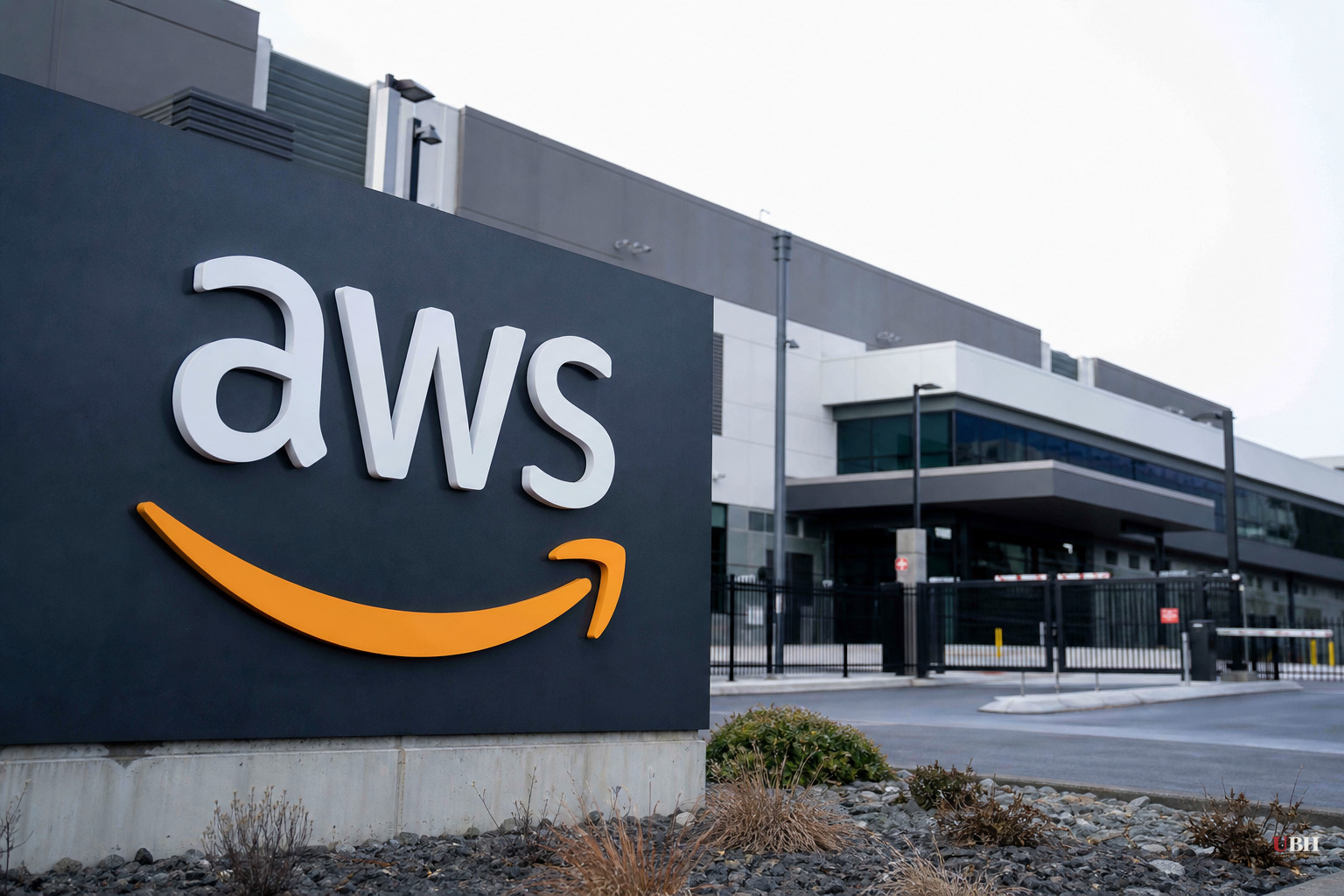
One region in Oregon, half the internet goes sideways
Amazon Web Services suffered a major connectivity failure Friday morning that knocked dozens of popular apps and websites offline, according to the New York Post. Problems started around 6:40 a.m. ET, with outage tracker Downdetector logging a spike in complaints about Apple Pay, DoorDash, Reddit and Hulu.
AWS confirmed the trouble was tied to its US-West-2 region in Oregon, per the Post. That's a single geographic data center cluster, but because so many companies build their apps on top of it, the fallout spread far beyond Amazon's own products.
AWS initially named five affected services and later expanded that list to seven, adding AWS Direct Connect, Global Accelerator, Internet Connectivity, IoT Core, Amazon API Gateway, Elastic Compute Cloud and Elastic Container Service, the Post reported. Coverage from mycharisma.com, citing the Daily Mail, said the broader list suggested the failure hit multiple layers of AWS's Oregon network rather than one isolated product.
PlayStation users among the hardest hit
Sony's PlayStation Network took some of the most visible damage. Push Square's live updates tracked the outage through the morning, reporting that PSN functionality was degraded for hours after the initial failure. As of late morning, AWS had acknowledged the issue and said functionality was "slowly returning to normal," with some features like the friends list coming back for some users, according to Push Square's reporting.
AWS also said it expected "a continued reduction in error rates and timeouts" as routes were restored, while cautioning that full recovery would take more time. Push Square's team reported ongoing, uneven problems through the morning: recently played games disappearing, friends lists flickering in and out, and the PlayStation Store intermittently throwing a "Content Can't Be Found" error.
Sony's own service status page, according to Push Square, lagged behind what users were actually experiencing for parts of the morning, at times describing the service as "up and running" while users reported ongoing access problems. Whether AWS's systems and PSN fully recover, and how long that takes, remained unclear as of this reporting.
Not every tracker confirmed the full picture
Not all outlets characterized the scope the same way. The Sunday Guardian's coverage, framed around Amazon's CloudFront content delivery network, was more cautious, noting that as of its reporting, Amazon had not confirmed a widespread global outage affecting all AWS regions. That outlet emphasized that a spike in Downdetector reports doesn't by itself confirm a platform-wide failure, since the tool relies on user-submitted complaints rather than verified telemetry.
That's a fair caveat. Downdetector numbers are noisy and can spike for reasons unrelated to an actual outage. But in this case, AWS's own status updates, cited across the Post, mycharisma.com and Push Square, confirmed real infrastructure problems in US-West-2, not just user perception. The company's own list of affected services growing from five to seven over the course of the morning is a direct AWS admission, not a crowd-sourced guess.
The bigger issue nobody's fixing
AWS provides the cloud infrastructure that powers countless websites, applications and online services, according to mycharisma.com's reporting, which means even a regional disruption can have widespread effects across the internet. When one region in Oregon has a bad morning, companies with zero connection to each other, gaming networks, food delivery apps, mobile payment systems, streaming services, all go down together. That's the reality when a large share of the internet's plumbing runs through a handful of Amazon data centers.
Companies that got hit posted apologies on social media, per the Post, and users vented their frustration in real time as apps and sites became unreachable. Amazon has not, as of the sources reviewed, published a detailed root-cause explanation for what triggered the connectivity failure in the first place.
The open question is whether AWS's post-incident review, when it comes, will identify a specific hardware or software failure, or whether this becomes another one-line entry in Amazon's outage history with no real accountability attached.
Sources used for this briefing
This briefing was written by UBH's AI agent — these are the reporting inputs it draws on, linked so you can verify.


