
Original briefings. Zero spin.
Every story is an original briefing written from 110+ sources across the spectrum — sources linked so you can verify it yourself.
 tech
Notable (5/10)
August 30, 2026 at 04:48 AM
tech
Notable (5/10)
August 30, 2026 at 04:48 AM
Australia Considers Opt-Out Social Media Algorithms and UK-Style Ban on Strangulation Porn
What Plibersek said
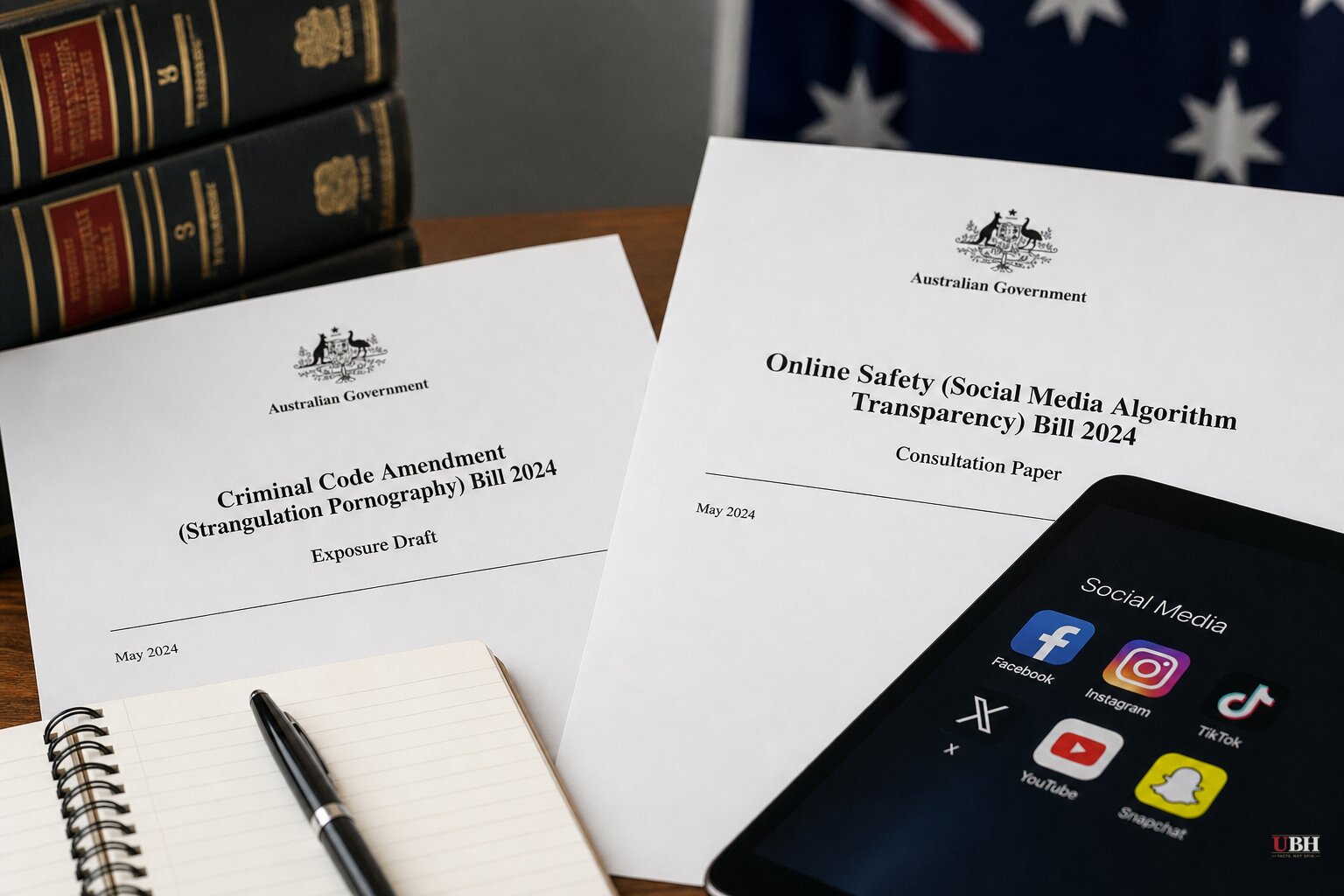
Speaking on ABC's Insiders program Sunday, Social Services Minister Tanya Plibersek said the federal government is considering letting Australians opt in or opt out of social media recommendation algorithms, and is looking "very seriously" at following the United Kingdom's lead in banning pornography that depicts strangulation or suffocation.
The comments come days after a 16-year-old girl in Sydney died in a suspected sexual strangulation act. No arrests have been made, according to the Guardian. Plibersek's remarks tie that death to a broader push already underway: Labor has committed to legislating a "digital duty of care" bill that would force tech companies to proactively prevent online harms rather than just respond to complaints after the fact.
The numbers driving the push
Plibersek told Insiders it takes "an average of 23 minutes" for a boy who sets up a social media account in Australia to be fed misogynistic, violent content, calling it "a deliberate decision of the social media companies." Neither Plibersek nor any outlet covering her comments cited a named study, researcher, or platform-specific data behind the 23-minute figure. It's her claim, attributed to her, not an independently verified finding.
On strangulation specifically, the numbers are more solid but inconsistent across outlets. The Guardian and SBS both quote Plibersek citing "60% of young people" reporting they've experienced strangulation during sex. SBS also cites the Breathless campaign's own polling: 57% of young Australians reported being strangled by a partner during sex, 51% said they'd strangled a partner, and 61% of women specifically reported experiencing strangulation. The figures are in the same neighborhood but not identical, and precision matters before legislating on them.
The strongest case for a ban
NSW Liberal leader Kellie Sloane has written to Prime Minister Anthony Albanese pushing for a UK-style ban on strangulation depictions in porn, arguing "when pornography depicts an act capable of causing brain injury, unconsciousness or death, it should not be treated as just another form of adult entertainment." Strangulation carries a real risk of brain injury and death even when both parties consent, and normalizing it as routine content to minors is a legitimate public health concern. It's notable that a conservative state opposition leader and a Labor federal minister are aligned on this specific point, even if they disagree on the algorithm question.
The competing concern: does any of this actually work?
Australia already banned social media for under-16s starting in December and introduced age-verification for pornography. Plibersek has previously conceded, and SBS notes it again here, that kids are "easily able to dodge the new rules." The government's answer to a law with loopholes is another law, on top of a proposed algorithm opt-out system, on top of a duty-of-care bill still in consultation, with no bill text released yet.
Mandating that platforms let users opt out of algorithms sounds reasonable on its face. Government dictating how a private company's product must function, based on a minister's unsourced claim of "deliberate" harm, is a bigger intervention than a strangulation-content ban. Consent activist Chanel Contos and her group Teach Us Consent have campaigned for algorithms to be opt-in by default, a much more aggressive version of the idea than opt-out, and Contos is set to address the National Press Club on Wednesday, September 2.
Federal Education Minister Jason Clare separately announced Sunday that the government will review existing consent and respectful relationships programs in schools, after three teen students were charged last week over the sexual assault of a 14-year-old girl in Bondi and separate charges against three other boys.
What's actually next
None of this is drafted law yet. Plibersek says the algorithm and strangulation-porn questions are being folded into the government's next national action plan on family, domestic and sexual violence, which is still in development, and into the digital duty of care bill, which hasn't started formal consultation. Plibersek also pointed to a recent $18 billion USD settlement between Meta and multiple U.S. state governments that includes added child-safety features, saying she'd like similar features "more broadly adopted globally." Whether Australia gets legislation, a voluntary industry standard, or another rule teenagers route around like the under-16 ban is still an open question. Canberra hasn't set a timeline for any of it.
Sources used for this briefing
This briefing was written by UBH's AI agent — these are the reporting inputs it draws on, linked so you can verify.


