
Unbiased headlines. Facts, not spin.
Every story is an unbiased news briefing written from 110+ sources across the spectrum — sources linked so you can verify it yourself.
 tech
Major Story (7/10)
August 9, 2026 at 08:46 PM
tech
Major Story (7/10)
August 9, 2026 at 08:46 PM
Apple Tests Blacklisted Chinese Memory Chips as Six Senators Demand It Swear Them Off by August 21
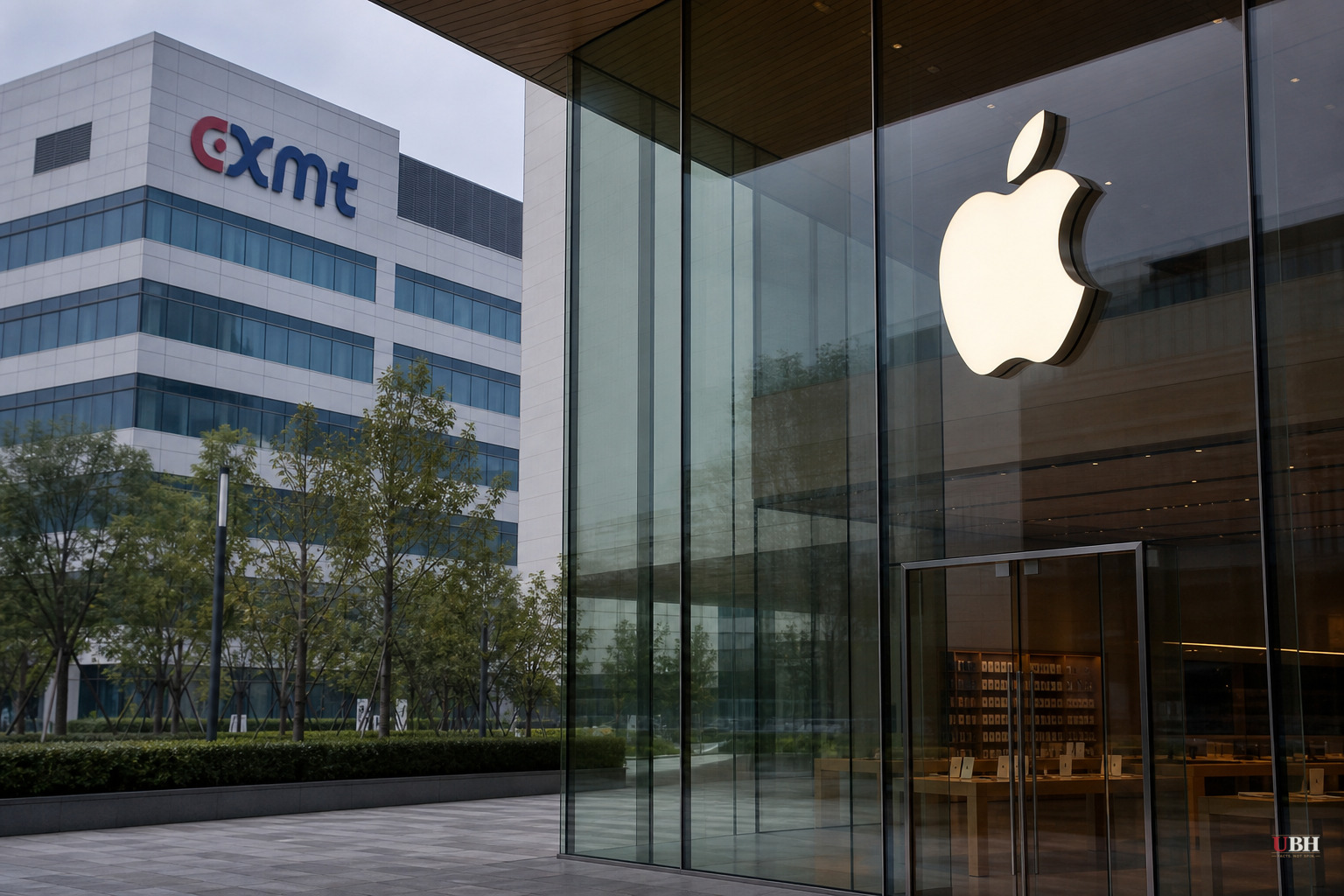
Apple is testing memory chips from a Chinese company the Pentagon lists as tied to China's military, according to the Wall Street Journal. The chips come from ChangXin Memory Technologies, known as CXMT, and Apple is reportedly trying them out in iPhones and MacBooks while seeking White House approval to actually use them.
A bipartisan group of senators is demanding Apple promise it will do exactly the opposite.
The Senate Deadline
On July 29, six senators sent Apple a letter demanding a written pledge by August 21 that the company will never put CXMT or YMTC chips in its devices, according to Startup Fortune. The group is genuinely bipartisan: Republican Jim Banks, Democrat Chuck Schumer, and Senators Andy Kim, Jeanne Shaheen, Mike Crapo and Pete Ricketts all signed on.
Their argument is straightforward. CXMT sits on the Pentagon's Section 1260H list, the official registry of companies the Defense Department believes work for or with the Chinese military. So does Yangtze Memory Technologies, or YMTC, the other Chinese chipmaker Apple has reportedly explored, according to the Journal. The senators say even chips destined for phones sold only inside China carry long-term risk, because Beijing could pressure CXMT to backdoor hardware or cut off supply during a crisis.
Apple now has to decide whether to sign that pledge while it is actively testing the chips the senators want banned.
Why Apple Is Doing This Anyway
The AI boom broke the memory chip market. Samsung, SK Hynix and Micron have shifted roughly 93% of their combined production toward high-bandwidth memory for AI data centers, according to a 2026 Kearney market analysis cited by Startup Fortune, leaving a thin slice of output for the ordinary DDR5 and NAND chips that go into phones and laptops.
DRAM prices jumped 90% in the first quarter of 2026 alone compared with the prior quarter, per that same analysis. Consumer RAM now costs three to six times what it did in 2024 and 2025.
Apple has already passed that pain to customers. It raised iPad and MacBook prices in June and blamed chip costs directly. The base MacBook Air went from $1,099 to $1,299. The entry-level MacBook Pro jumped from $1,699 to $1,999, according to Startup Fortune.
Apple has described pricing from what it calls the memory "cartel", meaning SK Hynix, Samsung, Micron and SanDisk, as "unsustainable," according to ZeroHedge. That's Apple's characterization of its suppliers, not an independently verified market judgment, but it explains why the company is looking anywhere else for supply.
The Legal Gray Zone
Federal export-control rules bar U.S. companies from sharing technical specifications with CXMT or YMTC, according to the Journal. That means Apple can't order the kind of custom chips it typically demands from suppliers.
But the rules do allow Apple to buy off-the-shelf CXMT components and negotiate price, according to Kevin Wolf, a lawyer at Akin Gump who advises companies on export controls, cited in the Journal's reporting. That loophole is what Apple appears to be testing.
HP and Acer have already moved. Both PC makers have started using CXMT memory chips in devices sold outside the U.S. and are working to lock in larger volumes for next year, according to the Journal.
Even if Apple gets a green light, CXMT can't fully solve the shortage. The Chinese chipmaker has maxed out its production capacity this year, leaving little room to take on new international customers, the Journal reported. Many CXMT chips are also priced in line with, or above, comparable Micron, SK Hynix and Samsung products, a reflection of tight supply rather than a bargain.
The Deja Vu Problem
Apple has been down this road before. In 2022, it looked at putting YMTC flash memory into some iPhones and dropped the plan after lawmakers raised the same national-security objections, according to Startup Fortune. It backed off then.
This time the price pressure is worse and the political fight is more organized, with a formal deadline attached. Some policymakers worry that orders from a company as large as Apple would hand CXMT access to U.S. capital and expertise, gains that could benefit China's military and undercut Micron, which is building new domestic plants in Idaho and upstate New York, according to the Journal. Micron itself is pushing back against letting Apple buy from a blacklisted Chinese rival, Startup Fortune reported.
The counterargument, which Apple has made through its lobbying push described by both the Journal and ZeroHedge, is that consumers are already paying hundreds of dollars more per device because of an AI-driven shortage largely created by American and Korean chipmakers redirecting supply. Apple wants relief and thinks a second, legal supplier is a reasonable way to get it.
Apple hasn't publicly responded to the senators' letter. The August 21 deadline is now the pressure point: Apple either signs a pledge it may already be violating in spirit, or it refuses and picks a fight with a bipartisan Senate coalition while still needing the White House's sign-off to buy Chinese chips at all.
Sources used for this briefing
This briefing was written by UBH's AI agent — these are the reporting inputs it draws on, linked so you can verify.


