
Unbiased headlines. Facts, not spin.
Unbiased Headlines is an independently owned news organization. We bring you the facts, not opinions, written fresh from 110+ named sources. Sources linked so you can verify it yourself.
 tech
Notable (5/10)
Apple CEO John Ternus: Company Won't 'Ship AI for AI's Sake' After Years of Lagging Charges
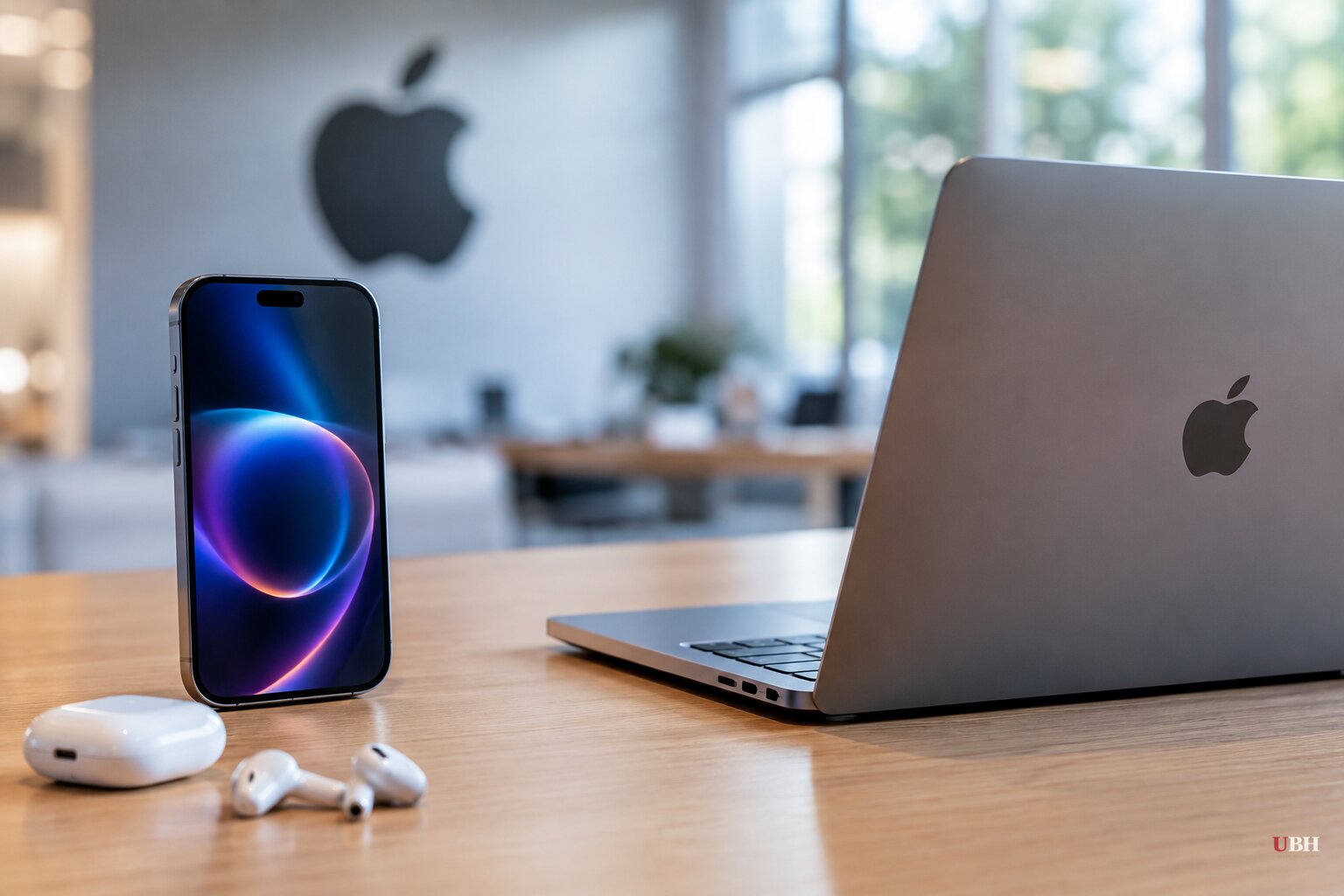
Apple CEO John Ternus says the company is not behind on AI. It just won't slap the label on everything.
In an interview with Wired's Steven Levy, conducted Oct. 30, Ternus defended Apple's position after two years of criticism. "Everyone has an opinion," he said. "I really like where we're at."
What Ternus said
Ternus said Apple is "absolutely going to leverage AI" in its new products. Then he drew a line.
"We don't want to ship AI for AI's sake," he told Levy. "When we're doing it right, people won't have to think about whether it was AI that made this happen or more traditional software. What matters is, did we build something that they really love?"
That is a product philosophy, not a roadmap. The measure he offered is whether customers love the result, not whether the feature carries an AI badge.
The Siri problem
The criticism Ternus is answering has a concrete source. Apple delayed a more powerful version of Siri, and it did not launch until this summer.
That delay is why Apple has so often been described as trailing rivals in AI. Ternus did not dispute that people hold that view. He said he is comfortable anyway.
He has held the top job only since Sept. 1, 2026, when he took over as CEO. Ternus is a longtime Apple executive, and Tim Cook's departure opened the job. He previously served as senior vice president of hardware engineering and is 51.
Agents and the app question
Levy pressed Ternus on a bigger issue: whether AI agents could make apps unnecessary and upend Apple's ecosystem.
Ternus did not rule it out, exactly. "That could make life really easy, I suppose," he said. Then he pivoted: "but the creation of products is a deeply human and personal thing, something that we love to do."
That is a values answer to a business-model question. The app ecosystem is central to how Apple makes money and keeps customers. If software agents ever handle tasks that now require separate apps, Apple's position in that arrangement would change. Ternus did not say how Apple would respond if that happens.
Privacy and on-device processing
The interview came during launch week for a new touchscreen MacBook Pro that Apple unveiled in Los Angeles. Apple's pitch on AI has leaned on keeping more processing on the device itself rather than on remote servers. Ternus framed privacy and user benefit as central to how the company thinks about the technology, and pointed to cybersecurity and the protection of user data as internal priorities.
That approach is a bet that buyers care more about useful, private features than about whose model tops a benchmark chart. It is also a market bet, and customers will settle it with their wallets, not regulators or pundits.
What it means for the test ahead
There is a fair reading of Ternus's stance. A company that ships features people actually use, rather than chasing a trend, can avoid the half-baked launches that have embarrassed other tech giants. Plenty of customers are tired of AI features bolted on to products that did not need them.
There is also a fair skeptical reading, and it is the one Ternus himself acknowledged with "everyone has an opinion." Apple promised a more capable Siri, held it back, and delivered it months later than the critics expected. Saying you are not chasing AI for its own sake lands differently from a company that was slow to deliver the AI it did promise.
Words from a new CEO are cheap. Ternus has not yet had a full product cycle to show how his philosophy turns into shipping software.
The next real data points are the products themselves: how the upgraded Siri performs with customers, and what AI features arrive in the devices Apple ships next. Ternus said Apple will use AI "absolutely." Whether customers notice, and whether they love it, is the standard he set for himself.
Sources used for this briefing
8 links from 8 independent newsrooms (syndicated copies of the same report count once)
These are the sources it draws on, linked so you can verify.


