
Unbiased headlines. Facts, not spin.
Unbiased Headlines is an independently owned news organization. We bring you the facts, not opinions, written fresh from 110+ named sources. Sources linked so you can verify it yourself.
 finance
Notable (6/10)
APG, Manager of Europe's Largest Pension Fund, Ends Active Equities and Cuts 40 Jobs
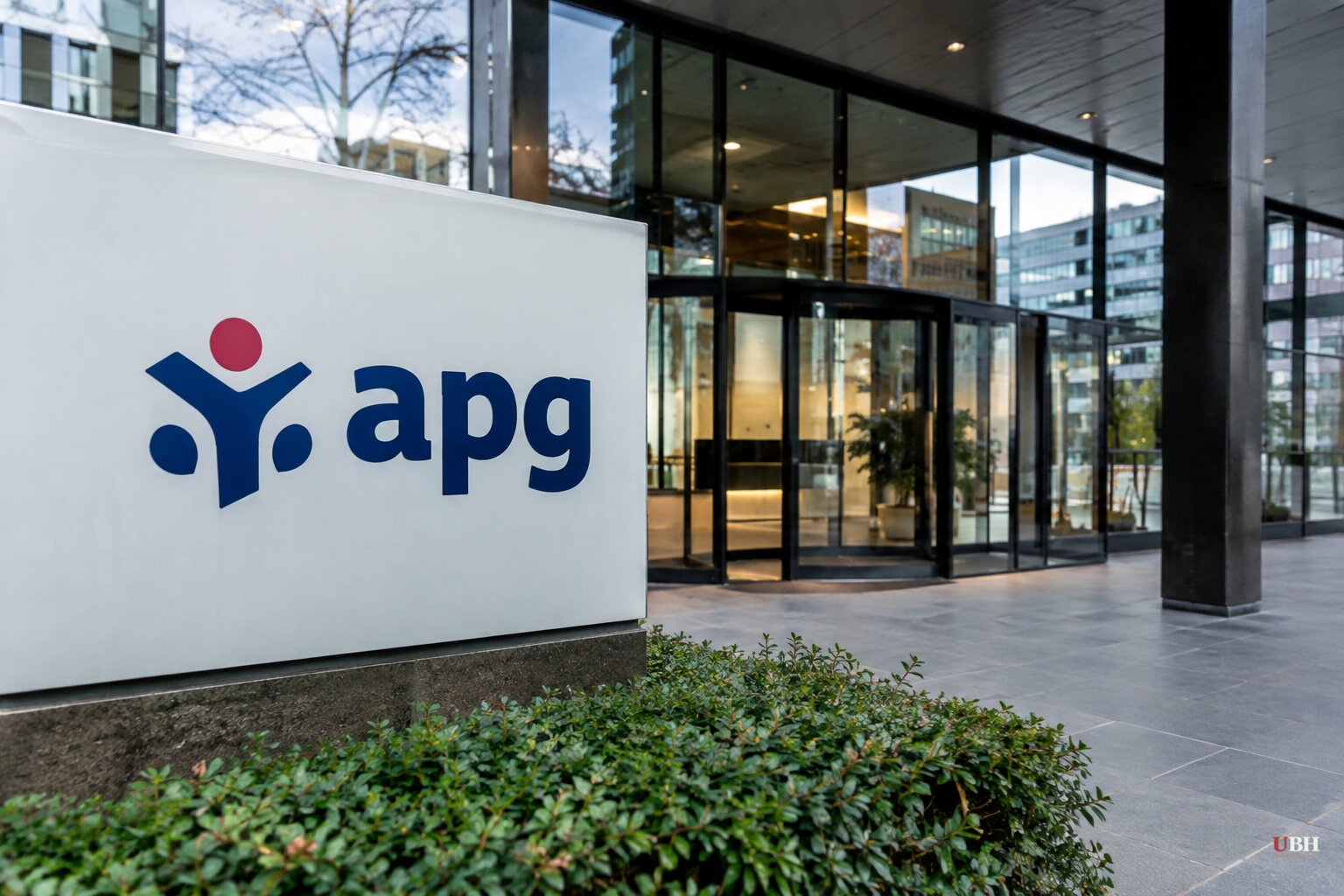
APG, the asset manager behind Europe's biggest pension fund, is shutting down its active equities strategy because the approach did not generate satisfactory returns.
The cuts total 40 jobs: 29 in the Netherlands, seven in the United States and four in Asia. APG confirmed the reductions to the Dutch newspaper Financieele Dagblad (FD) on Monday, Nov. 9, 2026.
The numbers
APG manages roughly €639 billion ($715 billion), predominantly for Stichting Pensioenfonds ABP, the Dutch public-sector pension fund. Its asset management arm employed 1,211 people last year, according to APG's latest annual report.
The same report shows the arm oversaw €33 billion in active equity strategies. That is the book now being wound down.
FD's sources say the entire 22-person team responsible for active stock selection will be eliminated. APG has not detailed where the other 18 positions fall.
Why: a track record that didn't deliver
APG's 2025 annual report states that its actively managed equity portfolio underperformed expectations both last year and over the previous five years.
That is a weak record for a strategy that costs more than simply buying an index. Active managers charge for the promise of beating the market. Here, by APG's own reporting, the promise went unmet over the previous five years.
FD reported that part of the shortfall stemmed from APG's earlier decision to exit fossil-fuel companies and technology firms including Tesla and Apple. According to FD, those holdings failed ABP's requirements on human rights, privacy and labor conditions. That explanation comes from FD's reporting, and APG has not been quoted in the sources as confirming it.
ABP was already heading this way
In 2023, ABP decided to move most of its public-market holdings to passive investing. Board chairman Harmen van Wijnen said at the time that active equity management yields little added value.
The fund now tracks a customized equity index limited to companies that meet its sustainability standards. The index itself is filtered by ABP's criteria, and the active team's job was to beat the market inside those limits.
ABP's view, as Van Wijnen stated it, is that active equity management yields little added value. APG's results now line up with that argument.
Clients out, ABP exclusive
FD's sources also say APG is parting ways with several clients, because it will in future invest exclusively for ABP. According to FD, ABP wants greater control over how APG invests its assets and has asked for an exclusive working relationship.
That detail is a single-source claim from FD. Neither APG nor ABP is quoted in the sources on the exclusivity request.
The move runs against the grain of the wider industry. Many pension funds have increased active investing in recent years to pursue sustainability goals, infrastructure projects and private-equity returns. APG is going the other direction on public equities.
What's unresolved
The questions are practical ones. APG has not said which clients are leaving, how much money walks out with them, or what the exclusivity arrangement means for fees and costs at the Dutch fund.
APG has also not said whether the 40 job cuts are final or whether more reductions could follow as the client book shrinks. The affected clients and the timeline for winding down the €33 billion in active equity strategies are the next facts to watch.
Sources used for this briefing
5 links from 4 independent newsrooms (syndicated copies of the same report count once)
These are the sources it draws on, linked so you can verify.


