
Unbiased headlines. Facts, not spin.
Unbiased Headlines is an independently owned news organization. We bring you the facts, not opinions, written fresh from 110+ named sources. Sources linked so you can verify it yourself.
 finance
Notable (6/10)
Event date: November 24, 2026 ·
Rakuten Cancels Bond Sale of Up to ¥151 Billion Days After Brokerage Data Leak Disclosure
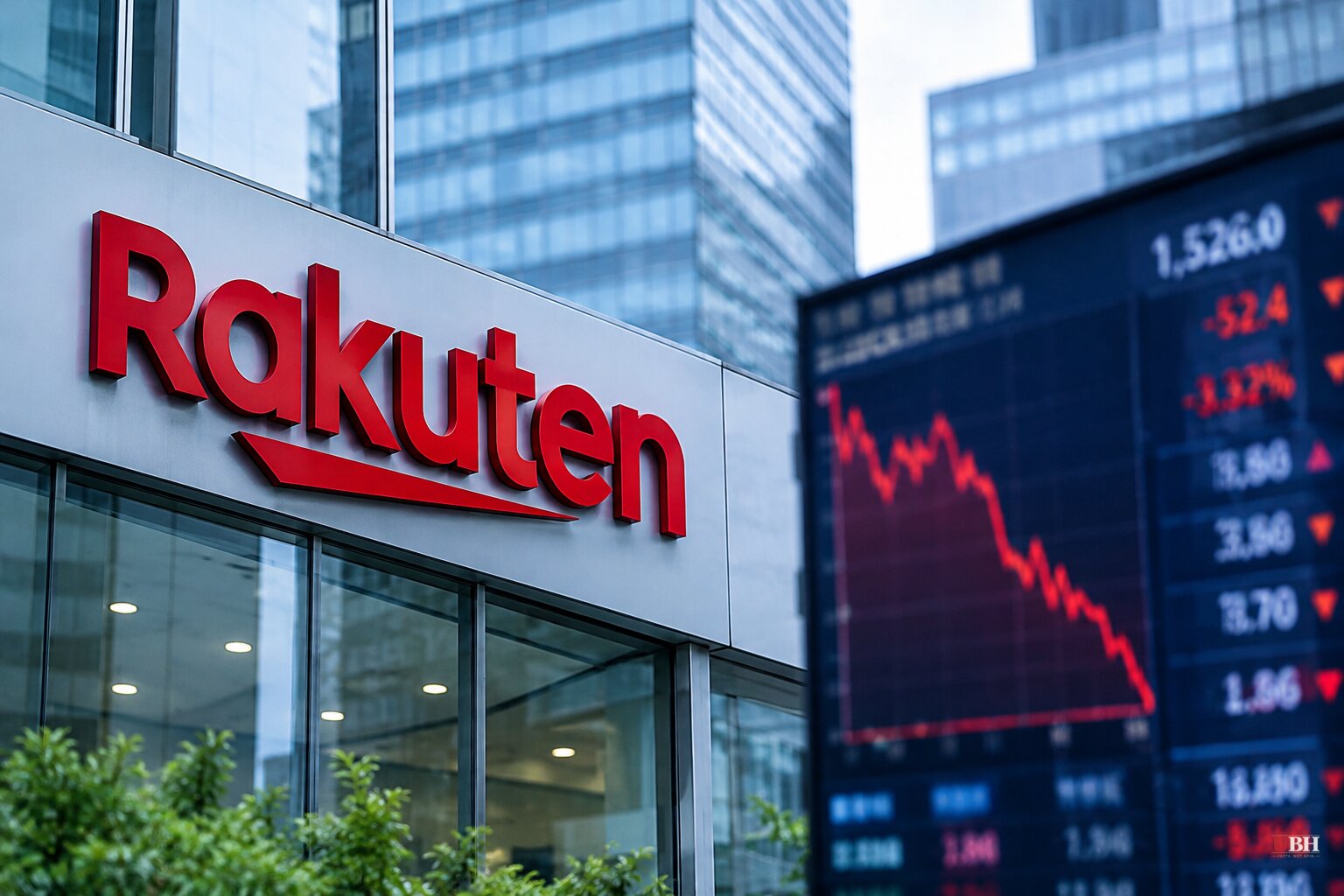
Rakuten Group Inc. has cancelled a planned yen bond sale of as much as ¥151 billion. Bloomberg put the size of the offering at about ¥150 billion ($942 million). The cancellation came about a week after its brokerage unit disclosed a possible customer-data leak.
Goldman Sachs, one of the deal's arrangers, confirmed the cancellation in an emailed statement and said it was made at the issuer's request. Rakuten's credit risk then surged by the most since April 2025, according to Bloomberg. Rakuten shares fell as much as 3.9%, to their lowest intraday level since November 2023.
What Rakuten Securities disclosed
On Nov. 17, Rakuten Securities apologized to customers and said it had discovered unauthorized access to its systems the day before. The company said some information managed within its test environment system may have been leaked to an external party on Wednesday, Nov. 11.
For about 4.47 million accounts, the exposed data may include name, date of birth, address, phone number, email address, employer, withdrawal account details, annual income, asset information and last login date. A further 11.25 million accounts had only their branch/customer code and login ID taken. Infosecurity Magazine reported the breach could affect nearly 16 million people.
Rakuten Securities said passwords, PINs and other information were not taken. It also said it has seen no sign of unauthorized access to customer accounts. It warned of follow-on phishing attempts and said over 90% of customers already log in with phishing-resistant passkeys. It urged the rest to switch to reduce the risk of account takeover.
Japan's Financial Services Agency has ordered Rakuten Group to submit a report under the Financial Instruments and Exchange Act on the possible leak.
Why customer data was sitting in a test system
The company says its investigation into the cause and detailed circumstances of the unauthorized access is continuing. Security experts have already questioned why production data was allowed to be used in a test environment.
"This isn't some advanced security concept or something that requires sophisticated technology to address," said John Strand, owner of Black Hills Information Security. "The proper way to do this is to have separate development, testing, and staging environments, each with clearly defined security controls."
The breach lands at the end of a bad year for Japanese companies, which have been hit by a string of data breaches and extortion attacks. Burger King (11 million customers), Times Car (6.6 million), Daiichi Kosho (8 million) and Yakiniku King (11 million) have all reported large breaches. Last year the FSA warned of a sharp increase in account hijacking at Japanese securities companies, with illegal trades of over ¥304 billion.
The funding problem
Rakuten has repeatedly tapped domestic and overseas bond markets to meet its large funding needs, because its mobile business continues to post heavy losses.
Its yen bond spreads widened last week after the potential customer-data leak. The spread on ¥360 billion of bonds Rakuten sold to individuals in October widened to about 220 basis points over Japanese government debt as of Nov. 20, the highest since issuance. Wider spreads on its yen debt could make future borrowing more expensive.
Before the cancellation, Bloomberg had reported that the company was preparing another large debt sale this month.
Rakuten has not tied the cancellation to the breach. A spokesperson said the timing of the next bond issue has yet to be determined and declined to comment on whether the data-leak issue affected the sale plans. The sequence is on the record: spreads widened after the Nov. 17 disclosure, and the sale was pulled the following week.
By Rakuten Securities' own statement, passwords, PINs and other information were not taken and no unauthorized access to customer accounts has been detected. The firm's argument is that the exposure is serious but contained. Whether bond investors accept that is a separate matter, and the widening spreads suggest some do not.
What comes next
Two things are pending. Rakuten's report to the FSA is due under the regulator's order. The company's own investigation into the unauthorized access is still running. Rakuten has not said when it will return to the bond market or how it will cover the funding it was seeking.
The cost of any replacement deal will depend on how investors price the breach and the regulator's response.
Sources used for this briefing
5 links from 5 independent newsrooms (syndicated copies of the same report count once)
These are the sources it draws on, linked so you can verify.


