
Unbiased headlines. Facts, not spin.
Every story is an unbiased news briefing written from 110+ sources across the spectrum — sources linked so you can verify it yourself.
 tech
Major Story (8/10)
August 17, 2026 at 10:00 PM
tech
Major Story (8/10)
August 17, 2026 at 10:00 PM
Anthropic's Annualized Revenue Hits $65 Billion Ahead of Expected IPO
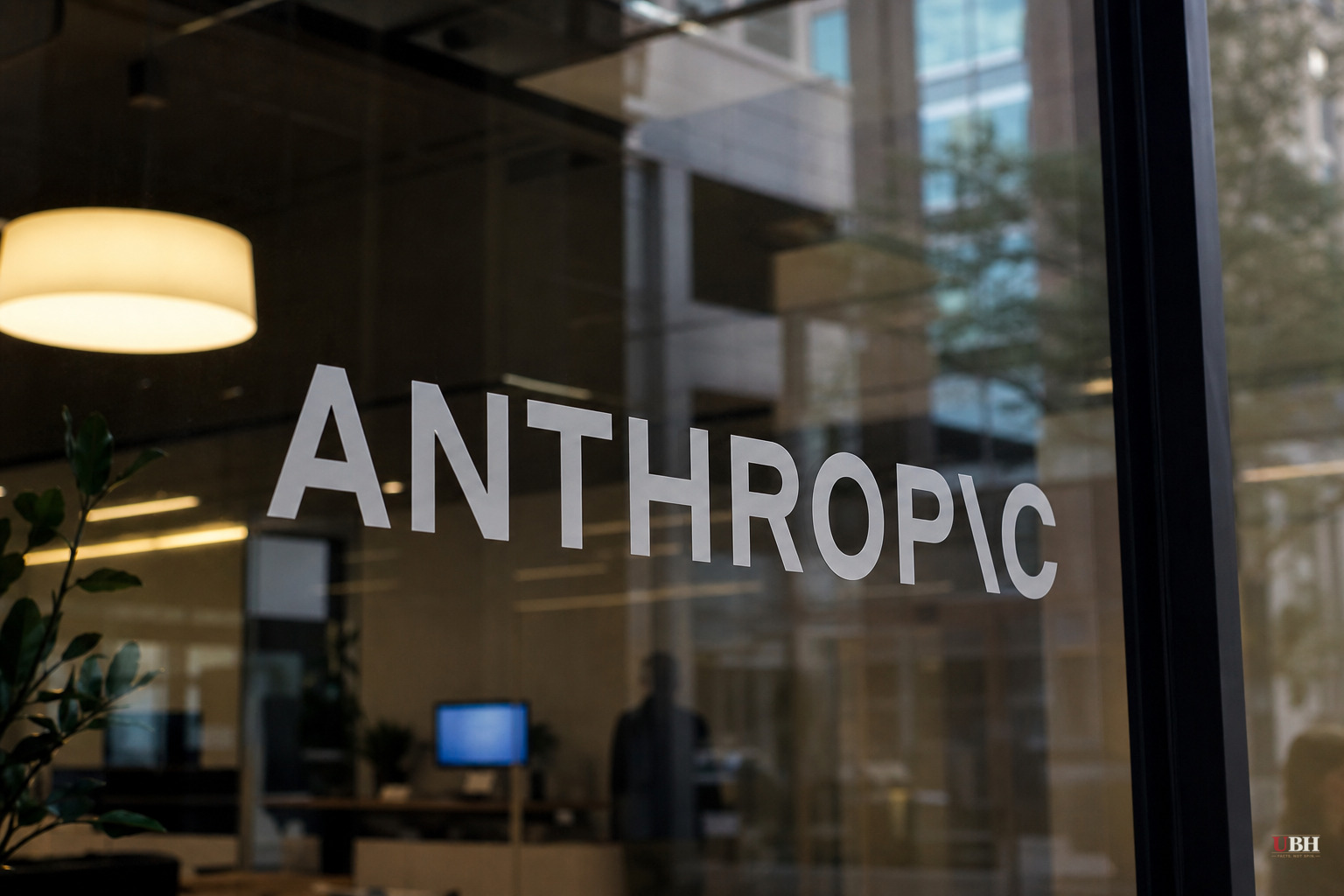
Anthropic just handed investors a number that would have sounded absurd two years ago: a $65 billion annualized revenue run rate, as of the end of July.
CNBC confirmed the figure Monday, citing three sources familiar with a confidential investor update the Claude AI maker sent over the weekend. Bloomberg reported the number first. That represents roughly seven times what Anthropic's run rate was a year ago.
The company also gave investors a preliminary second-quarter revenue figure of $11.5 billion, according to CNBC's sources. Crowdfund Insider reported that figure compares to $787 million in the same quarter last year, a 14-fold jump. Anthropic declined to comment to CNBC.
For context on how fast this is moving: Anthropic said in May its run rate had topped $47 billion. The company generated about $10 billion in revenue for all of 2025. Now it's annualizing at $65 billion just three months later.
The IPO Math
Anthropic confidentially filed its IPO prospectus with the SEC in June and has been holding preliminary meetings with potential investors, though no timeline has been set, according to CNBC. The company is currently valued at $965 billion.
Crowdfund Insider reported that an IPO later this year could see Anthropic valued at around $2 trillion.
Crypto Briefing, citing Axios, framed the $65 billion figure as bolstering confidence in a higher IPO valuation, noting Anthropic's growth from $47 billion in May. That outlet also flagged a prediction market pegging Anthropic's odds of a $965 billion-or-higher valuation by December 31 at just 12%, suggesting some market skepticism persists even as revenue numbers climb.
Beating OpenAI on Growth, Not Yet on Size
Anthropic's enterprise-focused business model is outpacing rival OpenAI on a few key measures. OpenAI's annualized revenue run rate recently hit $40 billion, CNBC reported. Crowdfund Insider added that OpenAI is projecting a $14 billion loss for 2026, while claiming Anthropic hit positive operating income last quarter. This would represent a notable divergence if accurate, since most AI labs at this scale are still burning cash to fund compute costs.
Anthropic still trails OpenAI's overall size and consumer reach. But the growth rate and profitability claim, if it holds up under IPO-stage scrutiny, would differ from the AI economics narrative Silicon Valley has promoted so far: massive revenue, massive losses.
The Washington Problem
Anthropic's business momentum comes despite a genuinely rocky relationship with the federal government. In June, the company had to temporarily disable access to two of its most advanced models, Claude Fable 5 and Mythos 5, to comply with a government export control directive citing national security concerns, according to CNBC.
The models were restored after about two weeks of negotiations. But that followed an earlier episode in which the Pentagon blacklisted Anthropic after talks about military use of its models broke down, CNBC reported.
Anthropic's own public response has been notably conciliatory. "We look forward to deepening our government collaboration," the company said in a June blog post, thanking users, researchers and industry partners who helped restore access to the restricted models.
That's a reasonable read from the company's side. Export-control compliance is a legal requirement, not necessarily a sign of a broken relationship, and companies routinely negotiate through these disputes without it derailing their business. But the back-to-back nature of the Pentagon blacklist and the export-control shutdown raises real questions about how a soon-to-be public company manages regulatory risk tied to a single administration's shifting posture on AI and national security.
No timeline for the IPO has been announced. The next concrete marker to watch is whether Anthropic's confidential SEC filing becomes public, which typically happens closer to a listing date.
Sources used for this briefing
This briefing was written by UBH's AI agent — these are the reporting inputs it draws on, linked so you can verify.


