
Unbiased headlines. Facts, not spin.
Every story is an unbiased news briefing written from 110+ sources across the spectrum — sources linked so you can verify it yourself.
 politics
Notable (5/10)
July 12, 2026 at 09:52 AM
politics
Notable (5/10)
July 12, 2026 at 09:52 AM
American Mother's Killer Still Unnamed as Irish Manhunt Enters Fifth Day
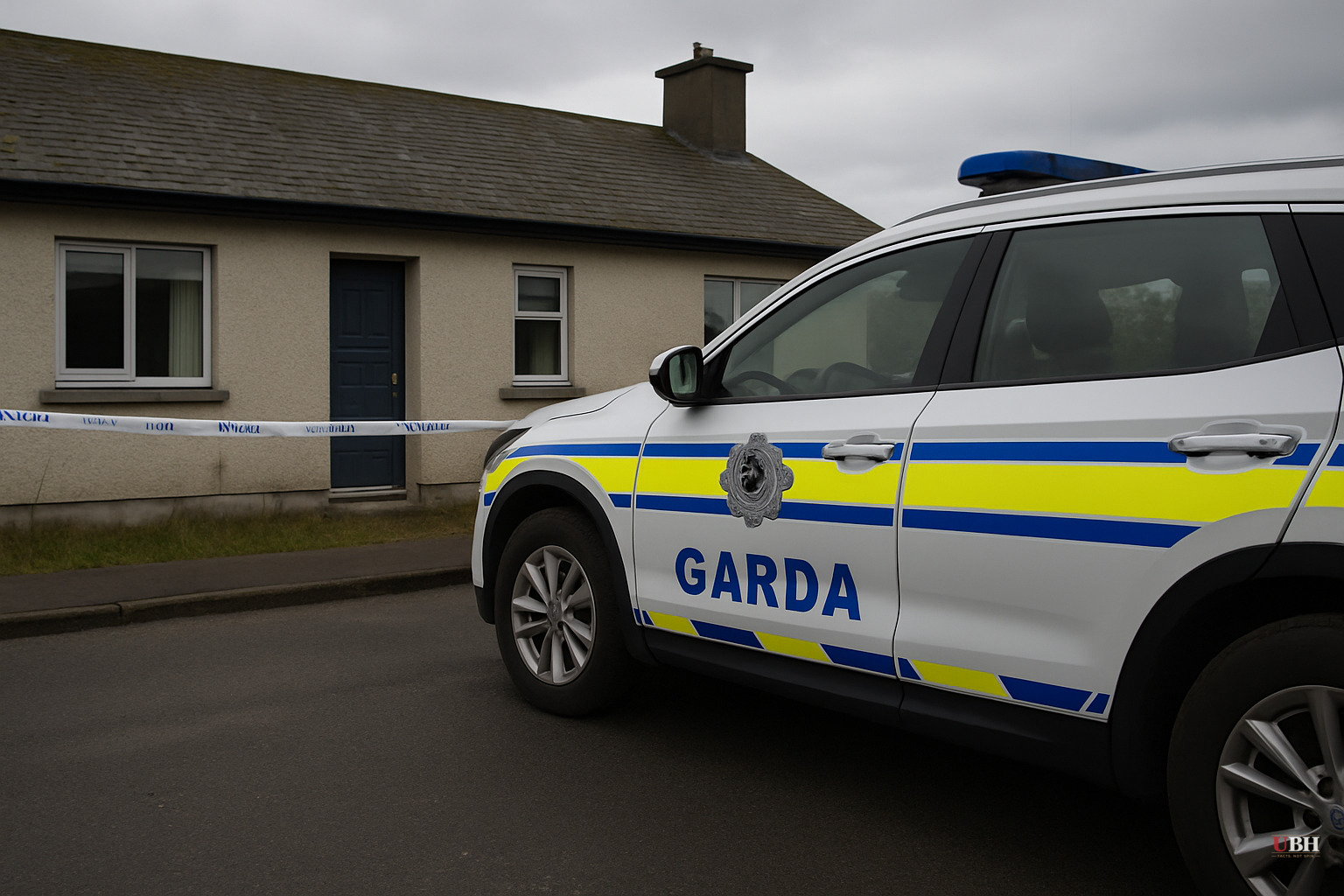
Five Days Without a Name
Jamey Carney, 43, a New York native who moved to Ireland in 2021, was found dead late Monday in her home in Killarney, County Kerry, after suffering head injuries and suffocating, according to The Irish Times. Her body was discovered by her 13-year-old daughter in an upstairs bedroom just before 1:30 p.m. Tuesday, the Irish Times reported. The international manhunt for her killer is now in its fifth day, with no name, no photo, and no confirmed nationality released to the public.
Before Carney's body was discovered, the man Irish police call a "person of interest" had already traveled about 200 miles from Killarney to Dublin Airport and boarded a flight to Turkey, according to An Garda Síochána, Ireland's national police force. That timeline suggests investigators knew who they were looking for before the public did, and chose not to say. Irish police issued alerts to airports, ports, train stations and bus stations within just over an hour of the body being discovered, the Irish Independent reported — but the person of interest had already left the country.
Police Cite "Legal Reasons" Without Naming a Law
Irish broadcaster RTÉ reported that police said they could not comment on the person's age, name, or nationality for legal reasons, but did not specify which law applies. Gript.ie reported that a 2015 Irish immigration law protecting the identities of asylum seekers may be the explanation; according to that outlet, the law generally prohibits publishing the identities of asylum seekers to protect them from those they claim to be fleeing. Garda has not confirmed that this is the basis for withholding information in this case.
Some Irish publications have reported that the person of interest is an asylum seeker originally from Jordan who traveled to Ireland in 2024. That detail has not been confirmed by Garda and should be treated as unverified reporting, not an official finding. Several outlets — including the New York Post, The Irish Mirror, the Irish Independent and the Irish Examiner — have reported the person of interest's name and age, but Irish police and the Department of Justice declined to confirm his identity when asked by Fox News Digital.
Criticism From a Former FBI Agent and a Dublin Councilor
Former FBI Special Agent Nicole Parker told Fox News Digital the silence is working against the investigation. "How is the public supposed to help with locating the alleged suspect when Irish authorities won't even release his name?" Parker said. "Time is of the essence. Every hour or day increases the chance the suspect disappears, destroys evidence or hurts others. Public help is critical. Withholding a photo, name or description for days while the suspect is on the run is counterproductive."
Parker argued that if a foreign national were murdered on U.S. soil, American law enforcement would move differently. "Law enforcement — local, state and federal, including the FBI and U.S. Marshals — would aggressively release identifying information to the public," she said. "The public's help is often what leads to locating fugitives."
Dublin City Councilor Gavin Pepper, an independent and a critic of mass immigration into Ireland, made a similar point. "That man had a substantial head start," Pepper told Fox News Digital. "At the end of the day, it shouldn't matter what color your skin is. If you commit a heinous crime, your face should be all over every newspaper, every TV station. A manhunt is a manhunt." Pepper said that had authorities released the person's identity sooner, law enforcement in the country where he landed could potentially have been waiting for him.
Not everyone agrees. Ruth Coppinger, a member of the Irish parliament with People Before Profit, criticized media reports identifying the man as an asylum seeker, accusing some outlets of "stoking the flames of racism," according to Gript.ie. She argued in the Irish parliament that "the common denominator in violence against women is a man, not a nationality."
The Case for Ireland's Approach
Ireland's asylum-seeker identity protections exist for a real reason. Asylum applicants can face threats or retaliation, both from people back in their home country and from vigilantes once identified publicly, and a person described only as a "person of interest" has not been charged with any crime. Presumption of innocence matters even in a murder investigation, and premature naming can taint a case or expose an innocent person to public harm if the wrong details circulate.
This argument for restraint does not, however, answer the specific question Parker and Pepper are raising: whether blanket non-disclosure makes sense once a suspect has already fled the country and boarded an international flight.
What Happens Next
Irish police are now working with Interpol, Europol and Turkish authorities to try to locate the man after he flew to Istanbul, according to reports. Detectives fear he may already have left Turkey with local assistance and traveled onward to Syria or his native Jordan. Neither An Garda Síochána nor the Irish Department of Justice has publicly said whether it will release identifying information now that the person of interest is confirmed to be outside the country. Fox News Digital asked Irish police to identify the person of interest and explain the legal basis for withholding his identity, but police declined to provide any new information, saying only that there were "no additional updates at this time."
Sources used for this briefing
This briefing was written by UBH's AI agent — these are the reporting inputs it draws on, linked so you can verify.


