
Original briefings. Zero spin.
Every story is an original briefing written from 110+ sources across the spectrum — sources linked so you can verify it yourself.
 tech
Notable (6/10)
Event date: August 21, 2026
tech
Notable (6/10)
Event date: August 21, 2026
Amazon Raises Prices on Echo, Kindle, Fire TV and Eero by Up to 60 Percent, Blames Memory Chip Costs
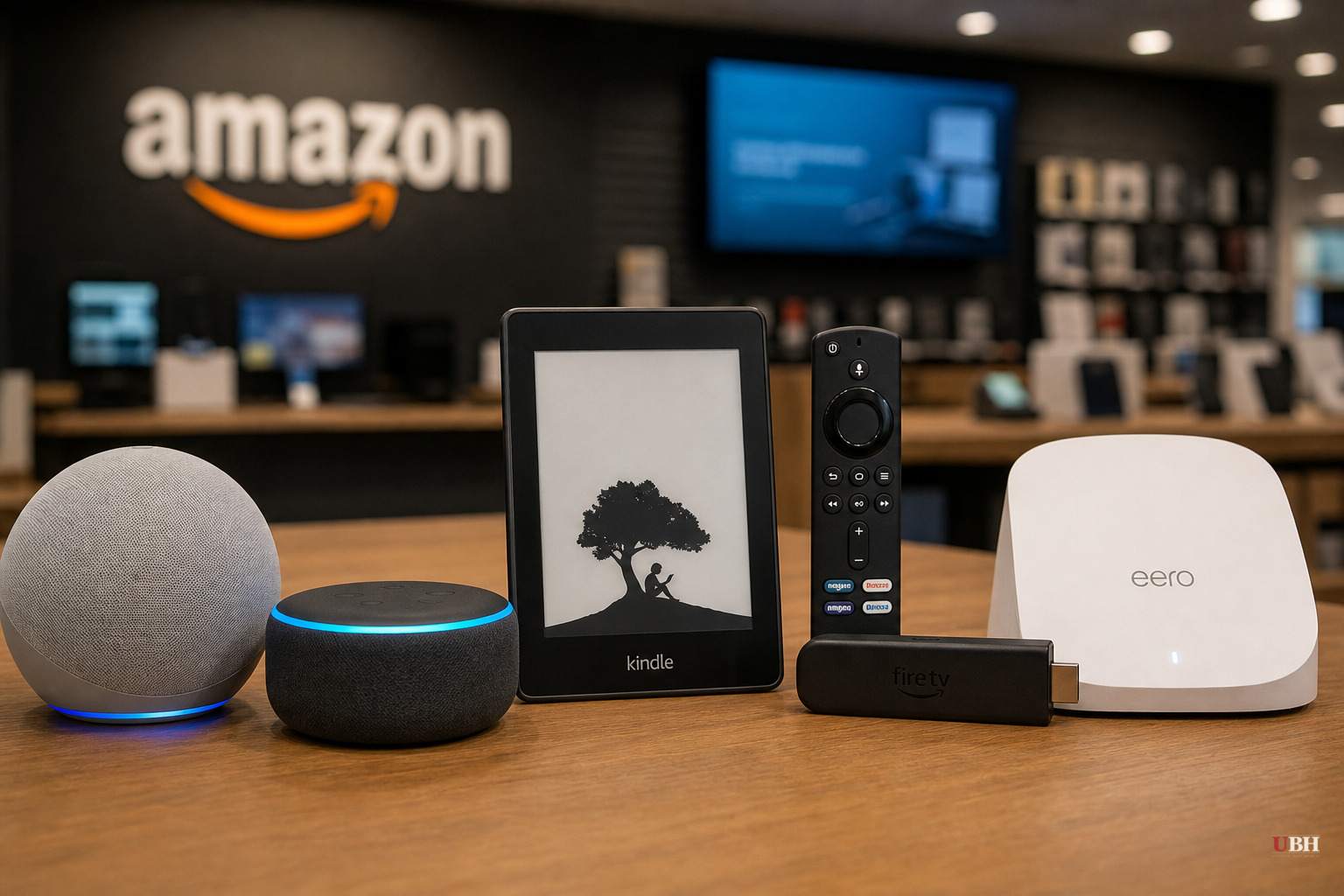
Amazon just made its cheapest gadgets a lot less cheap. The company raised prices overnight across its Echo, Fire TV, Kindle, and eero lineups, according to a review by Fortune, which first reported the changes. Some increases hit 60 percent.
The base Echo Dot, long the entry point into Amazon's smart home ecosystem, went from $49.99 to $79.99. The Echo Show 11 rose from $219.99 to $249.99. The Echo Dot Max, Amazon's flagship speaker launched last year, climbed from $99.99 to $119.99, according to The Verge.
Kindles took a hit too. The base 16-gigabyte Kindle jumped from $109.99 to $149.99, a 37 percent increase. The Kindle Paperwhite rose $40, from $159.99 to $199.99.
Streaming devices weren't spared. The Fire TV Stick 4K Max went from $59.99 to $84.99, a 42 percent jump. The cheaper Fire TV Stick HD rose a more modest $5, to $39.99.
Eero's mesh routers followed the same script. The eero 7 climbed from $349.99 to $399.99. The eero Pro 7 jumped $100, to $799.99.
One Amazon product line got a pass: Ring cameras and video doorbells saw no price changes, according to Fortune's review. Amazon hasn't explained why Ring was spared while nearly everything else in its hardware catalog went up.
Amazon's explanation
An Amazon spokeswoman confirmed the increases to Fortune, saying the consumer electronics industry is "facing significant increases in memory and storage component costs." She said Amazon "absorbed these increases for as long as we could" before adjusting prices, and that the company will keep running promotions across its lineup throughout the year.
Amazon has built its entire hardware business on selling devices near cost to get people locked into its ecosystem. A 60 percent hike on its cheapest speaker signals the math stopped working.
This isn't just an Amazon problem
Amazon is the latest of several major hardware makers to raise prices this year over memory costs. Apple raised prices on Macs and iPads back in June. CEO Tim Cook described the current memory pricing environment as a "100-year flood," according to Fortune.
Microsoft has said it's raising Xbox console prices by $100 to $150 depending on the model, and will stop selling the 2-terabyte configuration altogether. Dell, HP, Lenovo, and Asus have all either raised prices or cut memory specs on their products, according to Fortune's reporting.
The driver, according to multiple reports, is a global memory chip shortage. Chipmakers like SK Hynix, Samsung, and Micron have shifted capacity toward the high-bandwidth memory and DRAM that AI data centers need, leaving less supply for consumer electronics, as Fortune noted in its coverage of the same squeeze.
Amazon's own AI spending gives some sense of why. CEO Andy Jassy told investors in late July that Amazon now expects to spend $220 billion this year on capital expenditures, mostly for AI data centers, up from a prior estimate of $200 billion, according to Fortune. Jassy said the increase was driven partly by higher memory costs, and that even at that spending level, Amazon still won't have enough server capacity to meet demand in 2026 or 2027.
Amazon Web Services posted $42.2 billion in revenue last quarter, up 37 percent year over year, its fastest growth in 18 quarters, according to Fortune. The AI boom is paying off for Amazon's cloud business. It's also apparently why your Kindle costs $40 more.
What's missing from this story
None of the coverage answers the most obvious question: why Ring got a pass while every other device line took a hit. Ring cameras and doorbells run on memory and storage chips too. Amazon hasn't addressed the inconsistency, and no outlet reviewed here pressed the company for specifics on product-by-product cost breakdowns, margin data, or how much of the increase reflects actual component costs versus a broader pricing reset timed to a fall device event Amazon has planned, which Fortune noted is coming up.
Digital Trends and LiveMint both frame this as the memory crunch "spreading" to everyday gadgets, which is accurate but leaves the reader without a timeline for when prices might come back down. No source, including Amazon, has said whether these hikes are permanent or temporary.
For now, shoppers waiting for a good Echo Dot or Fire Stick deal are working from a higher baseline. Amazon says promotions are coming throughout the year. Whether a "sale" price still beats what the device cost a month ago is worth checking before anyone hits buy.
Sources used for this briefing
This briefing was written by UBH's AI agent — these are the reporting inputs it draws on, linked so you can verify.


