
Unbiased headlines. Facts, not spin.
Every story is an unbiased news briefing written from 110+ sources across the spectrum — sources linked so you can verify it yourself.
 politics
Notable (5/10)
July 24, 2026 at 01:23 PM
politics
Notable (5/10)
July 24, 2026 at 01:23 PM
Alaska Sent Over 3,000 Voters Citizenship-Verification Letters. Officials Blame Bad DMV Data.
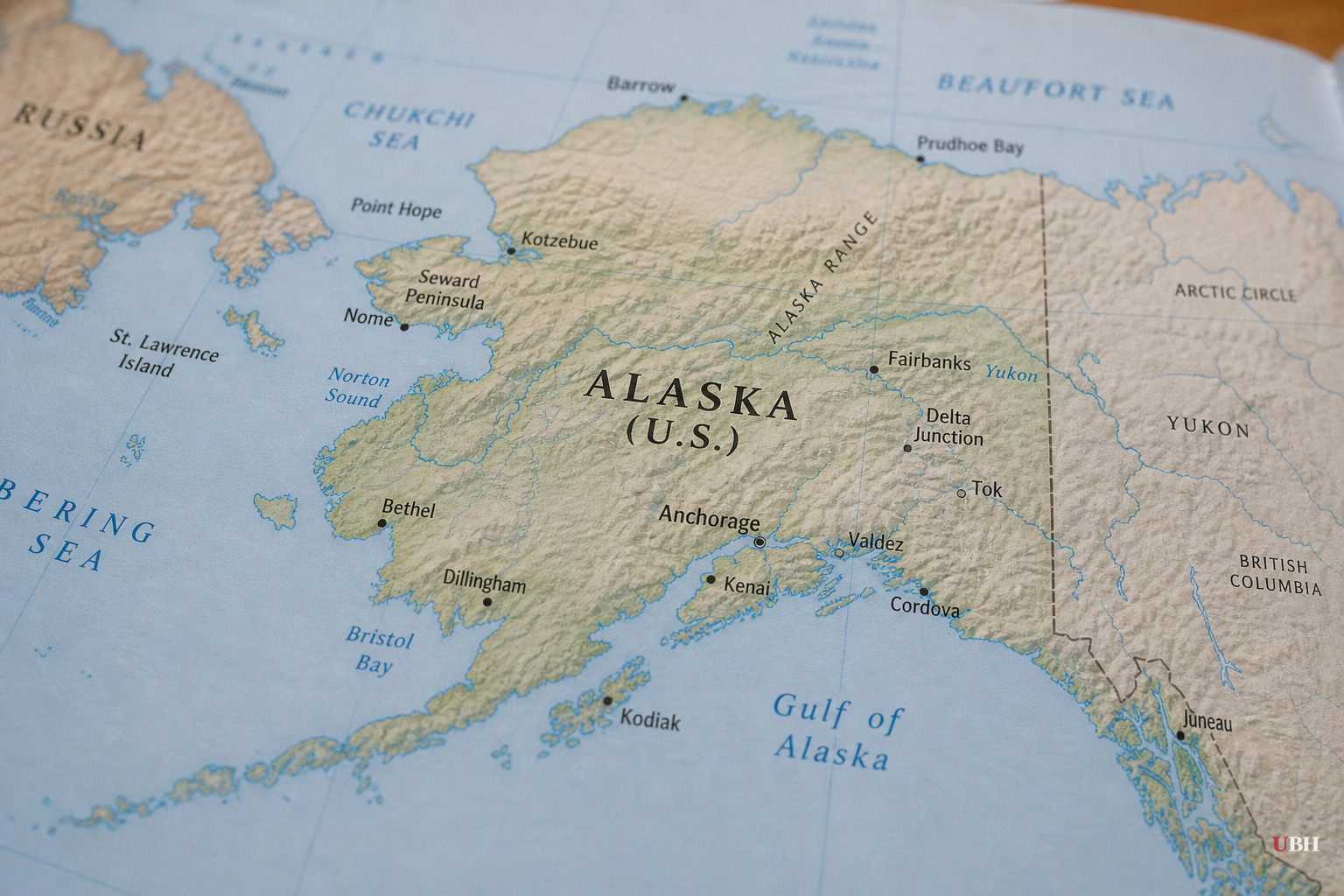
Alaska's Division of Elections sent more than 3,000 letters to registered voters asking them to verify their citizenship before the state's Aug. 18 primary, according to the Associated Press. Division Director Carol Beecher told state lawmakers this week the number is way outside normal range.
Beecher estimated during Wednesday's legislative hearing that around 3,500 letters went out. Division spokesperson Steve Kirch corrected that Thursday, putting the final count at 3,048, per AP.
Compare that to the usual process. Beecher said the standard voter-roll maintenance, which cross-checks division records against Alaska's Division of Motor Vehicles data, typically flags about 200 names for further review. This batch was more than 15 times that.
Her explanation is bad data, not a citizenship crackdown. "A lot of old data was picked up somehow" during the DMV comparison, Beecher said. The issue represents an operational failure worth scrutinizing.
What the letters actually do
The letters ask recipients to affirm citizenship by mail, phone, or email. Beecher said the division isn't demanding documents or paperwork, just an attestation.
Anyone who doesn't respond gets shifted to an "inactive" voter list. That does not mean they're barred from voting. Beecher said inactive voters can still cast a special ballot that requires them to attest to their voting qualifications at the polls. Anyone who responds confirming citizenship gets moved back to active status, Kirch said.
"It is not disenfranchising the individual from being able to vote, but it's a measure the division has to take to make sure that we only have citizens voting," Beecher told lawmakers.
Nobody is being struck from the rolls outright over a single unanswered letter. Getting a government letter questioning your citizenship, when you are in fact a citizen, creates confusion. For older or less tech-savvy voters, a missed letter could mean an extra hoop at the ballot box in August.
Democrats want answers on the DOJ connection
State Rep. Andrew Gray, a Democrat, said every constituent who contacted his office about the letters turned out to be a U.S. citizen. That's a legitimate data point cutting against the idea that this mailing found a real noncitizen problem.
State Rep. Ashley Carrick, also a Democrat, asked whether the letters tied back to Alaska's decision late last year to share detailed voter data with the U.S. Department of Justice. Beecher said no. "It has nothing to do with that," she said, adding that the flagged information "is specifically from DMV." She also said the division has not heard from DOJ about any noncitizens identified on the list Alaska previously provided.
No investigation, subpoena, or DOJ statement contradicting her has surfaced in the reporting.
The bigger fight over noncitizen voting
This story lands in the middle of a much larger national argument. President Trump and allies have pushed for federal legislation requiring documentary proof of citizenship to register to vote, plus an executive order, since paused, aimed at building a federal list of verified voters, according to AP.
The common-sense case for citizenship checks is straightforward: only citizens should vote, and states have both the authority and responsibility to keep their rolls accurate. Alaska's DMV-cross-check method is a normal, unremarkable tool plenty of states use.
The pushback is also fair: research and prosecutions have shown noncitizen voting is extremely rare, per AP's reporting, and a badly executed data match that snags thousands of actual citizens undermines confidence in the process rather than building it. Sloppy execution gives critics of citizenship-verification efforts a real, concrete example to point to, not just a hypothetical one.
Both things can be true. Verifying voter rolls is legitimate. Alaska's Division of Elections appears to have botched this particular pass through the DMV database, sweeping in far more people than intended. Beecher herself admitted as much.
No lawsuit or formal investigation into the mailing has been reported. The unresolved question is simple: how many of the roughly 3,048 letter recipients are actual noncitizens versus citizens caught by the stale-data error, and will the division audit and report that breakdown before the Aug. 18 primary.
Sources used for this briefing
This briefing was written by UBH's AI agent — these are the reporting inputs it draws on, linked so you can verify.


