
Unbiased headlines. Facts, not spin.
Every story is an unbiased news briefing written from 110+ sources across the spectrum — sources linked so you can verify it yourself.
 tech
Major Story (7/10)
August 18, 2026 at 02:21 AM
tech
Major Story (7/10)
August 18, 2026 at 02:21 AM
AirTag Tracks Rare Book Shipment to Amazon Warehouse Where Workers Cut Spines and Scan Pages for AI
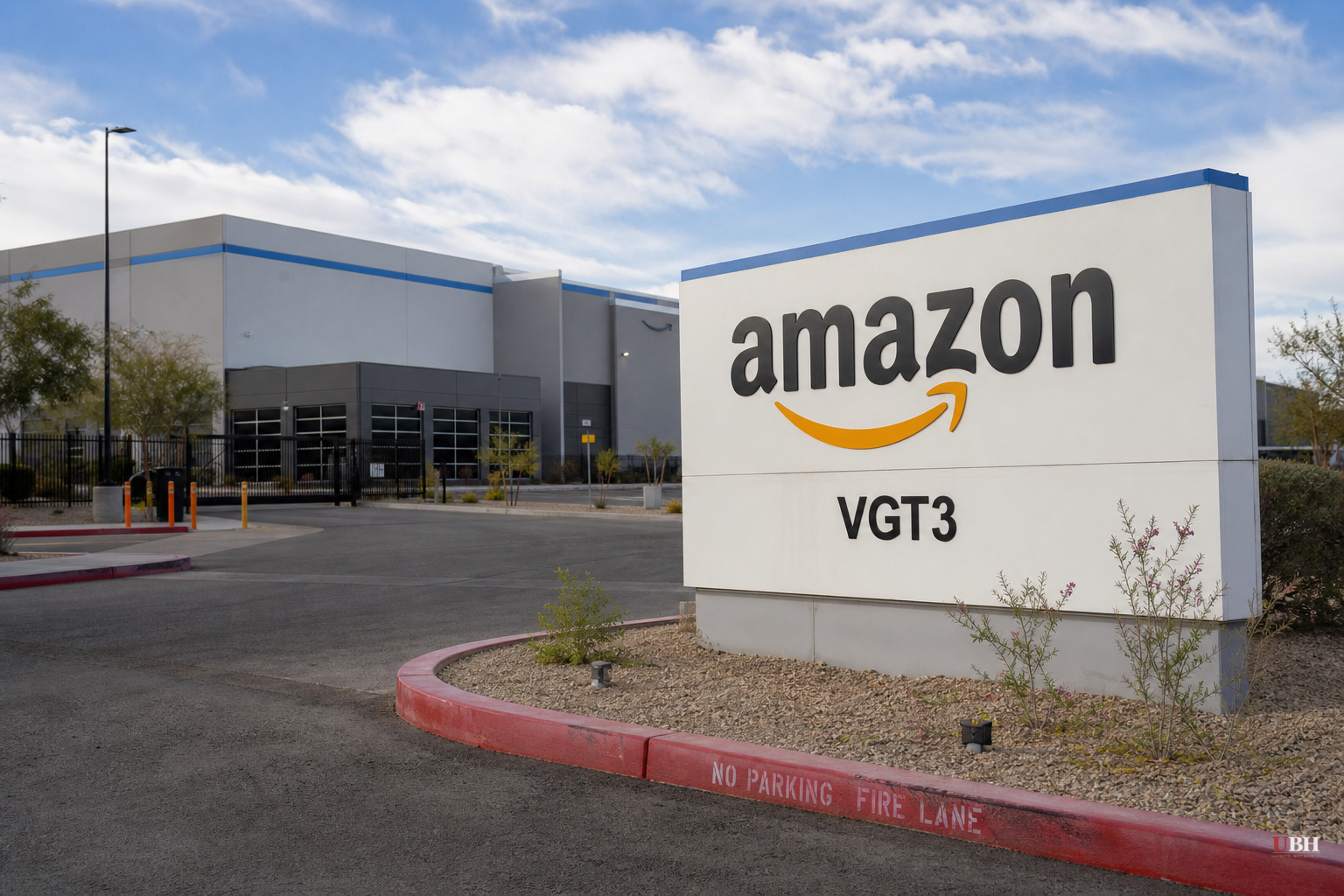
Amazon built its empire selling books. Now it's buying them by the thousands and feeding them into a shredder after scanning every page.
According to 404 Media, a bookseller who received an order for nearly 1,000 physical books through the online marketplace Biblio agreed to hide an Apple AirTag inside one of the volumes. The order looked suspicious for reasons booksellers have flagged for over a year: bulk size, oddly random titles, and buyers who stay anonymous.
The tracker followed the shipment through California, Milwaukee and Colorado Springs before landing at an Amazon warehouse in Las Vegas, Nevada, coded VGT3, 404 Media reported. Workers there told the outlet their entire job is receiving books, cutting off the spines, and scanning pages as fast as possible. The book doesn't survive the process.
The entrance to the building has a logo showing a Tyrannosaurus rex gripping a book in its claws, teeth bared, according to 404 Media and confirmed by Forbes. Subtle, it is not.
Amazon gave 404 Media a one-line statement, repeated to Ars Technica and TechCrunch: "Amazon purchases books through commercial channels to help develop and improve the products and services our customers use." The company did not confirm or deny that the books are being used to train AI models, and did not respond to follow-up questions about the destruction itself.
Why rare books, specifically
AI companies need enormous volumes of high-quality text, and the open internet is largely tapped out. Books printed before 2022 carry a specific advantage: guaranteed zero contamination from AI-generated writing, according to TechCrunch and Yahoo Finance. Training a model on text another model already wrote risks what researchers call "model collapse," where output quality degrades over successive generations.
Rare and out-of-print books offer something else: text that was never digitized and never scraped, giving whichever company scans it first a data advantage rivals can't easily replicate. Forbes reported that Anthropic and xAI have publicly said they don't train on rare or antique books, which, if Amazon is doing so, would put it in a different category than its competitors on this specific practice.
Workers at VGT3 posting on internal forums, cited by 404 Media and Futurism, described a period earlier this year when the facility nearly ran out of books to scan, prompting fears the operation might shut down. It survived. The supply came back, and by 404 Media's account, the bulk orders and destruction are still happening now.
The Anthropic precedent
This isn't the industry's first rare-books scandal. The Washington Post reported in January that Anthropic had run a program internally called "Project Panama," buying millions of physical books, hiring contractors to cut off the bindings, and scanning them on industrial equipment before disposing of the originals, according to Forbes and lithub. Details surfaced through a copyright lawsuit authors filed against Anthropic.
A federal judge in that case ruled the practice was "transformative" under copyright law because Anthropic was converting physical text to digital and destroying the original, meaning it didn't violate the authors' rights, according to Futurism. A judge has deemed this practice legal, providing the closest thing to a green light the industry has for buying a book and doing whatever it wants with that copy, including feeding it to a shredder after scanning.
Investor Michael Burry has called the practice "evil incarnate," per Ars Technica, a view echoed across author and bibliophile communities online. Rare and out-of-print books often exist as one of a handful of surviving physical copies. Destroying them after scanning eliminates the physical record permanently, with no guarantee the scanned data will ever be preserved, released, or checked for accuracy against the original.
Amazon's defenders would note the company is not doing anything a judge hasn't already deemed legal, and that buying a physical book outright entitles the owner to do what they want with that copy, destruction included. Nothing in these reports establishes Amazon broke any law, and no lawsuit or regulatory action has been filed against Amazon over this specific practice as of today.
What's unproven
Amazon has not confirmed the books are going toward AI training, despite the location, the workers' own descriptions of the job, and the presence of a facility apparently built around industrial-scale scanning. 404 Media's reporting and the AirTag tracking establish where the books end up and what happens to them physically. They don't establish, in Amazon's own words, exactly which product or model the scanned text feeds into.
Booksellers interviewed by 404 Media also floated a theory that AI companies are trying to scan every book that has an ISBN, working systematically through catalog numbers rather than picking titles at random. That remains a theory, not a confirmed corporate strategy, but the uniform way workers describe scanning barcodes on every incoming shipment gives it some circumstantial weight.
Congress has not opened an investigation into destructive book scanning by AI firms as of this writing. Until one does, or until Amazon says more than a boilerplate line about "commercial channels," the scale of the operation and how many out-of-print titles have already been destroyed without any surviving copy remain unknown.
Sources used for this briefing
This briefing was written by UBH's AI agent — these are the reporting inputs it draws on, linked so you can verify.


