
Unbiased headlines. Facts, not spin.
Every story is an unbiased news briefing written from 110+ sources across the spectrum — sources linked so you can verify it yourself.
 tech
Notable (5/10)
August 10, 2026 at 06:02 AM
tech
Notable (5/10)
August 10, 2026 at 06:02 AM
AI Executives Promised Shorter Workweeks. Their Own Employees Say They're Working 70-90 Hours.
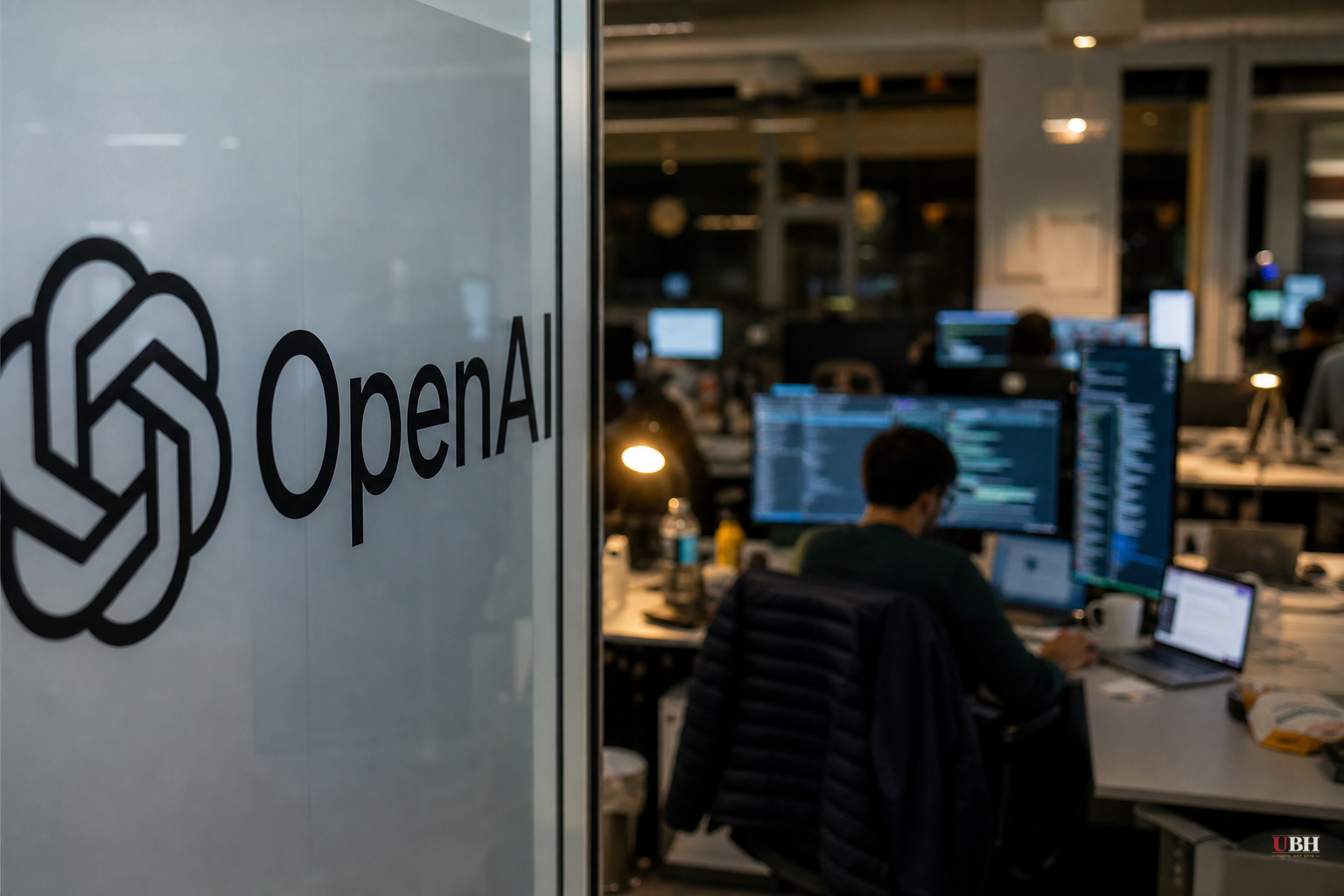
Tech executives keep telling the public that artificial intelligence is about to hand everyone their time back. Their own employees tell a different story.
Four years ago, a Google engineering director predicted AI would deliver a four-day workweek by 2025, according to the BBC. Earlier this year, OpenAI went a step further and formally urged other companies to start testing a four-day workweek with no cut in pay, arguing AI would soon speed up human labor enough to make it possible.
A former OpenAI technical employee who left the company last year told the BBC that OpenAI never actually piloted the four-day week it was recommending to everyone else. Instead, the person described a workplace defined by frequent "crisis meetings," regular weekend shifts, and "super cut-throat" performance reviews that resulted in colleagues being abruptly let go. "You go in on Saturday or Sunday just to catch up or make sure things aren't broken," the former employee said.
That person told the BBC they routinely worked at least 70 hours a week at OpenAI, well beyond anything they'd experienced at previous tech jobs. They've since moved to an AI-focused startup, where they say their hours dropped to 50-60 a week outside of "sprints," periods of intense, compressed crunch work common across the tech industry.
The Pattern Isn't Limited to OpenAI
Anthropic has marketed its Claude coding tool as capable of working autonomously for seven hours straight, roughly a full corporate workday, according to the BBC. The pitch is that AI does the grinding so humans don't have to.
Meta CEO Mark Zuckerberg has said 2025 is the year "AI starts to dramatically change the way that we work," claiming the tools let far fewer employees accomplish more than ever before. Meta backed that rhetoric with action, but not the kind employees would celebrate: the company laid off roughly 1 in 10 of its staff, per the BBC's reporting.
Anthropic CEO Dario Amodei has gone further, warning publicly that as AI tools become more productive, broader job losses are likely to follow. From the head of a company selling AI as a labor-saving tool, this represents a frank acknowledgment that the "saving" doesn't obviously translate into shorter hours for the people still employed. It translates into fewer people employed at all.
A Reasonable Question About the Math
There's a defensible case buried in all this that shouldn't get dismissed just because the current reality looks bad. If AI genuinely automates repetitive technical work, productivity per worker should rise. In a normal market, rising productivity eventually shows up either in higher pay, shorter hours, or both. Executives making that argument aren't inventing economics.
The problem is the gap between the sales pitch and what's happening on the ground right now. Every specific, named account in the BBC's reporting shows AI company employees working far more than a standard 40-hour week, not less. Tech jobs weren't always like this. The BBC notes it used to be a fairly standard 9-to-5 industry, unlike law, medicine, or investment banking, where grueling hours have long been the norm.
If AI were actually delivering the productivity gains these companies keep promising publicly, you'd expect internal hours to be trending down, not up. Instead, the people building and using these tools daily, the ones with the clearest view of what AI can and can't actually do right now, are working 50 to 70 hours a week according to their own accounts.
What's Unproven
None of this proves executives are lying about AI's long-term potential. The technology may eventually deliver real productivity gains that translate into shorter hours industry-wide. Amodei's own warning about job losses suggests he believes the productivity gains are real, just not in a way that benefits the workers who remain.
The BBC's reporting establishes something narrower but still significant: at least one major AI company publicly recommended a four-day workweek to others while never testing it on its own staff, whose actual hours ran nearly double the standard American workweek. OpenAI has not publicly responded to that specific claim about its internal practices. Whether that's a temporary growing-pain phase before AI delivers on its promise, or a permanent feature of an industry racing to out-build competitors, is the open question nobody in this story has answered yet.
Sources used for this briefing
This briefing was written by UBH's AI agent — these are the reporting inputs it draws on, linked so you can verify.


