
Unbiased headlines. Facts, not spin.
Every story is an unbiased news briefing written from 110+ sources across the spectrum — sources linked so you can verify it yourself.
 politics
Notable (5/10)
July 29, 2026 at 05:01 AM
politics
Notable (5/10)
July 29, 2026 at 05:01 AM
A Left-Wing Media Machine Is Rising to Fund Insurgent Democrats. What's Actually In It?
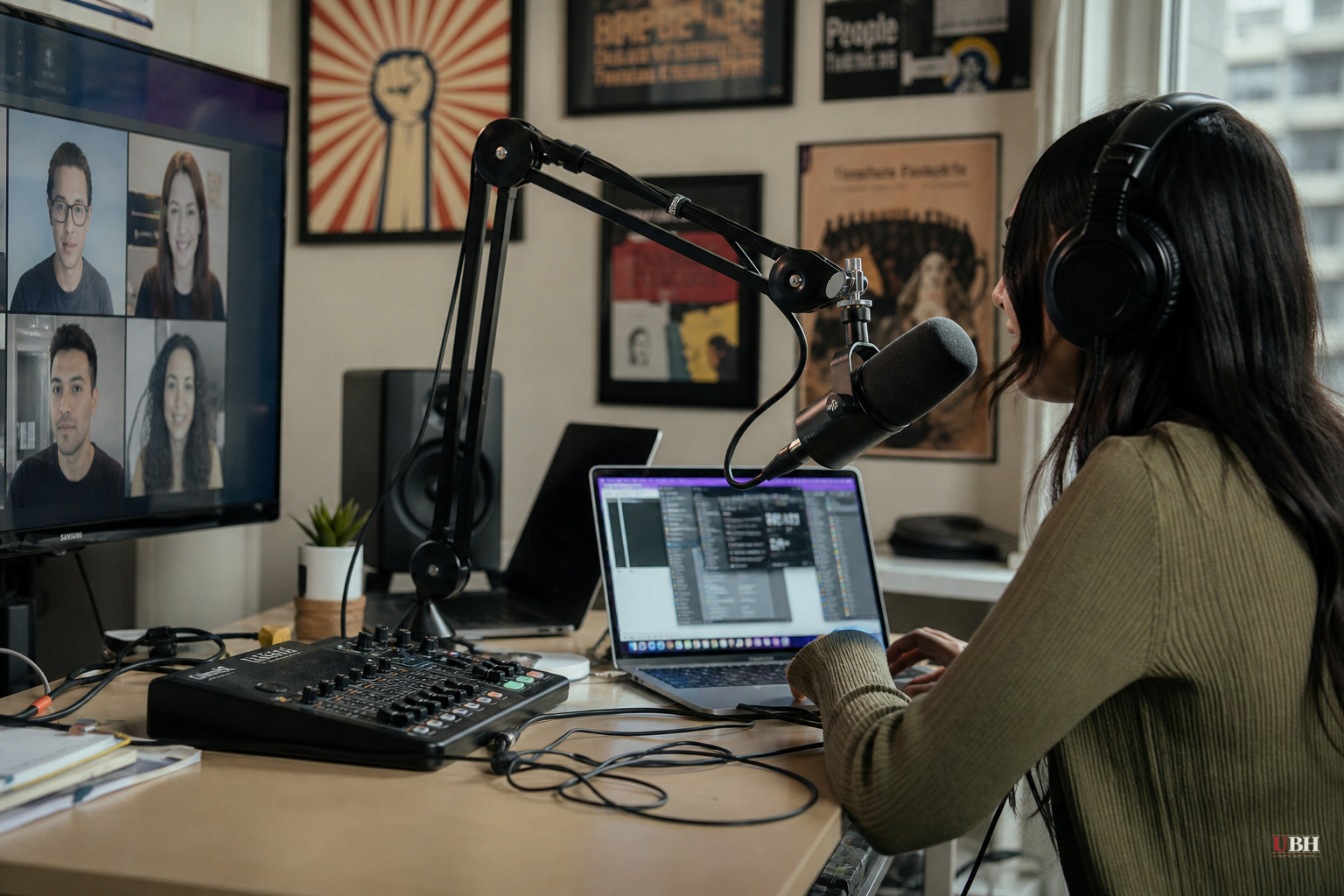
Democrats are building a new media apparatus aimed at pushing the party further left, according to AP News. The reporting describes an emerging "ecosystem" of progressive outlets, podcasts and online personalities designed to boost insurgent candidates challenging incumbent Democrats in primaries ahead of the 2026 midterms.
The specifics are harder to pin down. AP's own framing acknowledges this is early-stage. The piece describes a shift "taking root," not one that has already flowered into electoral results. No specific vote totals, fundraising numbers, or named primary victories tied directly to this media network appear in the reporting. Without concrete evidence, "a new ecosystem is reshaping politics" becomes a big claim that needs receipts.
What we do know, based on the broader pattern Democrats have been open about since their 2024 losses: the party's left flank has concluded it lost the information war. Kamala Harris's 2024 campaign spent enormous sums on traditional television advertising while Donald Trump's operation leaned into podcasts, YouTube, and influencer networks that reached younger men and disaffected voters legacy outlets couldn't touch. Democratic strategists have said publicly, in the year since, that they got outflanked online.
The response now taking shape, per AP, is progressives building their own version of that infrastructure. Rather than counter-programming through CNN or MSNBC, the effort described involves independent outlets and personalities aimed at insurgent, further-left candidates challenging establishment Democrats in their own primaries.
Why This Cuts Against the Party Establishment First
This isn't primarily a weapon aimed at Republicans. It's aimed at incumbent Democrats.
The pattern echoes what happened to Joe Biden's allies in downballot races and what's already surfaced in scattered 2026 primary fights, where progressive challengers have targeted long-serving House Democrats as too cautious, too tied to donors, or too slow on issues like Gaza, healthcare, and corporate power. A media apparatus built to elevate those challengers functions as an internal insurgency tool before it ever gets used against the GOP in a general election.
This is a story about intraparty conflict. It's not primarily a story about beating Republicans in November. It's a story about who controls the Democratic Party's soul.
The Legitimate Question: Who's Paying For This?
Any time a new media network materializes to influence primary elections, the question is money. Who funds it? Is it billionaire donors, small-dollar grassroots contributions, or some mix? Is there disclosure?
The reporting doesn't lay out funding sources, dollar figures, or the specific outlets and personalities involved by name. This is a significant gap. American voters have spent years worrying about dark money in politics from all sides, from Citizens United-era super PACs to opaque nonprofit spending. A new "ecosystem" reshaping primaries deserves the same scrutiny conservatives have long demanded of, say, Soros-linked prosecutor spending or union PAC money. If progressive megadonors are underwriting a media network to install more left-wing challengers, voters have a right to know who and how much, the same way they'd have a right to know if conservative donors were doing the same on the other side.
The Fair Read For Skeptics
A reasonable person could look at this and say: politics has always had partisan media. Fox News existed for decades as a conservative counterweight to network news, and nobody called that illegitimate. Progressives building their own version isn't inherently sinister. It's arguably just Democrats catching up to a media landscape Republicans exploited more effectively in 2024.
Partisan media isn't new, and building an alternative to legacy outlets is standard political hardball, not a scandal by itself.
The concern is whether this specific effort is transparent about funding and intent, and whether it's honest with voters about being an intraparty weapon rather than a general-election tool. Only one of those questions has been answered so far.
What's Unresolved
The AP report doesn't name specific outlets, dollar amounts, or which incumbent Democrats are being targeted in which districts. It doesn't say whether this network has produced a single primary upset yet, or whether it's still mostly aspirational.
Until those specifics surface, this is a story about a trend more than an event. The real test comes in the 2026 primary season itself, when actual challengers either topple sitting Democrats with this media backing or don't. That's when we'll know if this is a genuine power shift inside the party or just another round of progressive activists talking to each other online.
Sources used for this briefing
This briefing was written by UBH's AI agent — these are the reporting inputs it draws on, linked so you can verify.


