
Unbiased headlines. Facts, not spin.
Unbiased Headlines is an independently owned news organization. We bring you the facts, not opinions, written fresh from 110+ named sources. Sources linked so you can verify it yourself.
 politics
Major Story (8/10)
Event date: October 11, 2026 ·
politics
Major Story (8/10)
Event date: October 11, 2026 ·
58 MEPs Ask Commission to Use Blocking Statute Against US Sanctions on International Criminal Court
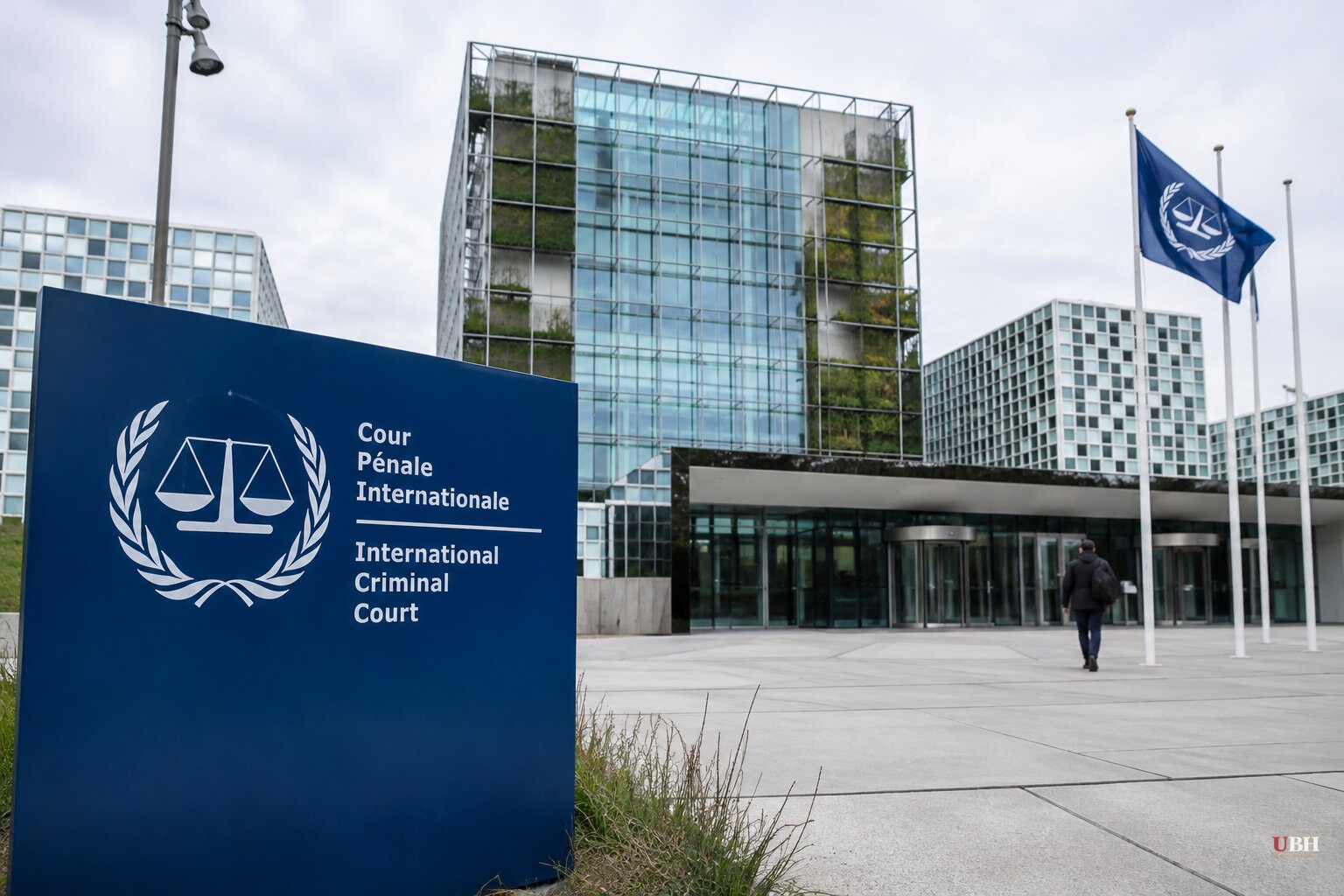
Since Secretary of State Marco Rubio announced sanctions on the International Criminal Court on Friday, Oct. 9, the fight has moved to Brussels. On Tuesday, Oct. 13, 58 members of the European Parliament sent a letter to Commission President Ursula von der Leyen asking her to shield the court.
The letter calls the sanctions "an attack by a foreign power on an entity on EU territory" and warns of "devastating" consequences. It asks the Commission to use "all instruments at our disposal."
What the MEPs want
The central demand is activation of the EU's Blocking Statute. That mechanism is meant to protect European companies and individuals from the extraterritorial reach of foreign sanctions.
It can bar enforcement in the EU of foreign rulings based on listed laws. It also lets European firms seek compensation for losses caused by those laws. The Commission can add foreign laws to the list, subject to scrutiny by the Parliament and member states.
The letter was drafted by Dirk Gotink of the European People's Party and Aurore Lalucq of the Socialists and Democrats. Lawmakers from Renew Europe and the Greens/EFA also signed.
The signatories say the sanctions threaten Europe's ability to protect its own citizens and institutions. They want the Statute to stop European companies from complying with the US measures once the transition period ends.
What Washington did
The State Department's fact sheet says all ICC property and financial interests in the United States, or controlled by US persons, are frozen. Americans are barred from transactions with the court without specific authorization. That includes providing goods, services or funds.
Treasury is to issue general licenses giving a 180-day window for certain ICC operations to continue. The fact sheet says the window lets member states address US legal and diplomatic concerns. Euronews reports that exemptions are envisaged for some telecommunications, software and payment services.
The move is the first time the US has targeted the institution rather than individuals. The administration has already sanctioned 17 people tied to the court, including judges and prosecutors. ICC President Tomoko Akane was among them in August.
The practical risk is financial plumbing. The court's reliance on dollar-based banking and US technology firms could leave it struggling to pay bills. European banks and insurers with US business could face secondary penalties if they keep working with it, according to the MEPs' concerns as relayed by Euronews.
Washington's case
Rubio argues the court has no business reaching Americans. "The United States and the American people are not subject to the jurisdiction of this fake ICC," he said in a video message. "America never joined the court. We don't need it. And we don't want it."
He added: "Either the ICC will end its threats, or we will end the ICC."
Rubio said the court's supporters want it to prosecute US service members, Border Patrol agents and elected leaders. He said "both parties agree" the court lacks that power.
The jurisdictional point is undisputed. Neither the US nor Israel is a party to the Rome Statute. The sanctions followed the court's arrest warrants for Israeli Prime Minister Benjamin Netanyahu and former Defense Minister Yoav Gallant over the Gaza campaign.
On the specific fears, the record is thinner. No evidence has emerged that the court has sought to investigate or prosecute Border Patrol agents. NPR reports that US personnel are not the subject of any current ICC investigation. The court suspended its look into the US role in Afghanistan while it continues to prosecute Taliban crimes.
The court's response
The ICC called the sanctions "an assault on the rule of law and on the very foundations of the international legal order." It said they target a court "created by treaty and entrusted by 125 States Parties."
Deputy Prosecutor Nazhat Shameem Khan said the court's work would "continue across all our situations, our investigations and our prosecutions." Akane said the court will keep operating.
The timing was awkward for Washington. The sanctions came hours after the Nobel Peace Prize went to Navanethem "Navi" Pillay, a former ICC judge. Pillay, speaking in Nuremberg, said efforts to weaken international criminal justice "endanger the progress painstakingly made since Nuremberg."
Where the EU stands
The MEPs' letter is a request, not a Commission decision. No Commission response to it has been announced. Von der Leyen's office has not said whether it will move to list the US measures under the Blocking Statute.
EU foreign ministers are separately looking for ways to keep cooperating with the court, according to Politico's reporting. The MEPs want a far tougher response than that.
If the 180-day license period is counted from Oct. 9, it ends in early April 2027. Any Blocking Statute decision would have to be made, and survive scrutiny by the Parliament and member states, before then.
Sources used for this briefing
7 links from 7 independent newsrooms (syndicated copies of the same report count once)
These are the sources it draws on, linked so you can verify.


