
Unbiased headlines. Facts, not spin.
Every story is an unbiased news briefing written from 110+ sources across the spectrum — sources linked so you can verify it yourself.
 politics
Notable (6/10)
July 22, 2026 at 10:58 AM
politics
Notable (6/10)
July 22, 2026 at 10:58 AM
19 States Try to Start Medicaid Before Inmates Walk Free, as Federal Cuts Squeeze the Program
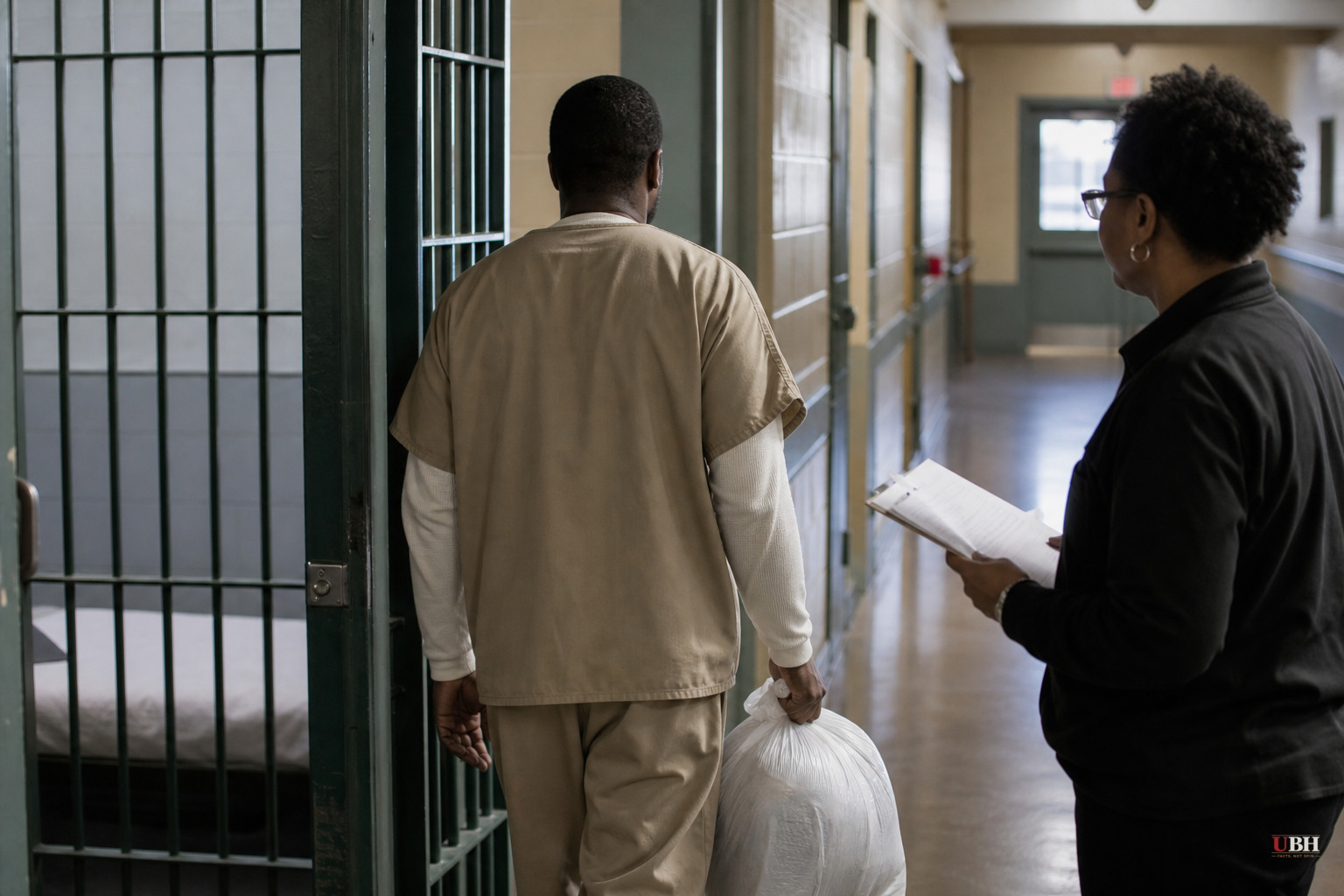
Cody Coughenour, of Port Angeles, Wash., landed in jail at least half a dozen times by the time he was 47, cycling through alcohol and methamphetamine addiction that started, he says, after his mother died of a meth-induced heart attack when he was 26. Every time he got out, jailers handed him a phone number to sign up for Medicaid. It rang to voicemail or put him on hold long enough that he'd end up back at his dealer's house instead, according to NPR.
In December 2025, that changed. Coughenour left jail with his Medicaid card already active, medication for his anxiety in hand, and treatment appointments already on the calendar. "We went straight to the treatment facilities," he told NPR.
That shift is the product of a bipartisan policy experiment now running in 19 states. Instead of waiting for people to apply for Medicaid after release, these states are activating coverage before someone walks out the door of a jail or prison.
Why This Exists
For decades, federal law barred Medicaid from paying for nearly all health care given to people while incarcerated, a rule that pushed the cost onto states and counties instead. Jail and prison health systems are chronically underfunded as a result, and courts have ordered improvements to roughly half of state prison health systems, according to NPR.
People leaving incarceration face a documented cliff. Substance use treatment stops, mental illness goes untreated, and there's often no insurance card waiting on the other side. Research cited by NPR shows sharply elevated risk of death in the first weeks after release, particularly from overdose, and Coughenour's own repeated cycle through jail illustrates exactly the gap these programs are designed to close.
In the four states that have actually started providing Medicaid coverage to people before release — California, Washington, Montana and New Hampshire — tens of thousands of people are now being screened for substance use disorder, given medications and connected to care before they walk out, according to NPR. Washington state officials told NPR that people who received Medicaid before release have been less likely to return to jail or prison, though it's too soon to know whether the efforts are cutting deaths or ER visits.
The Federal Squeeze
H.R. 1, the budget law also known as the One Big Beautiful Bill Act, is forcing state Medicaid agencies to implement work requirements, tighter eligibility checks and budget cuts, according to NPR.
At the same time, the Trump administration is scrutinizing how much these reentry programs cost and what services they cover, NPR reported.
States built these reentry Medicaid programs — which took years of work to stand up, including winning buy-in from local jail operators — under a more permissive federal posture, per NPR. Now, according to NPR, at least three states, Oregon, Rhode Island and Michigan, have paused their reentry Medicaid work as a result of the new law. Oregon's Medicaid director told NPR the state still wants to bring Medicaid into jails and prisons but has had to prioritize implementing the law's new work requirements and eligibility checks instead. Rhode Island and Michigan cited insufficient funding; Michigan said in December 2025 that its application would be "archived and considered for future efforts to support reentry populations," NPR reported.
The Fair Case for Scrutiny
A taxpayer watching this unfold has a reasonable question: is this actually working, or is it just another line item nobody's tracking? Medicaid is funded jointly by federal and state taxpayers, and demanding that reentry programs show they reduce overdoses, ER visits or re-arrests — rather than simply expanding eligibility because it sounds compassionate — is not an unreasonable ask.
The reentry population is a specific, narrow group: people already in state or county custody whose health outcomes are directly tied to public safety and taxpayer costs on the other end, through repeat incarceration, emergency room visits and untreated addiction. By NPR's own reporting, it's still too soon to know whether these programs are reducing deaths or ER visits — which is the exact information the Trump administration says it's now reviewing.
What's Still Unknown
NPR's story, drawn largely from Coughenour's individual experience and a handful of state examples, doesn't detail cost per person or full recidivism and overdose data across all 19 states pursuing these waivers. Those are the numbers that will determine whether the Trump administration's review results in the programs being scaled back, left alone or expanded with tighter conditions attached.
The open question isn't whether reentry Medicaid sounds like a good idea. It's whether Coughenour's outcome — no relapse, no return to jail, treatment appointments kept — is the norm across these programs or the exception NPR chose to highlight. That's the data states will need to produce as federal reviewers start asking harder questions about what Medicaid dollars are buying behind bars.
Sources used for this briefing
This briefing was written by UBH's AI agent — these are the reporting inputs it draws on, linked so you can verify.


