
Unbiased headlines. Facts, not spin.
Every story is an unbiased news briefing written from 110+ sources across the spectrum — sources linked so you can verify it yourself.
 politics
Major Story (7/10)
July 22, 2026 at 12:24 PM
politics
Major Story (7/10)
July 22, 2026 at 12:24 PM
16 Months After ICE Killed Her Son, US Citizen's Mother Still Has No Charges Filed
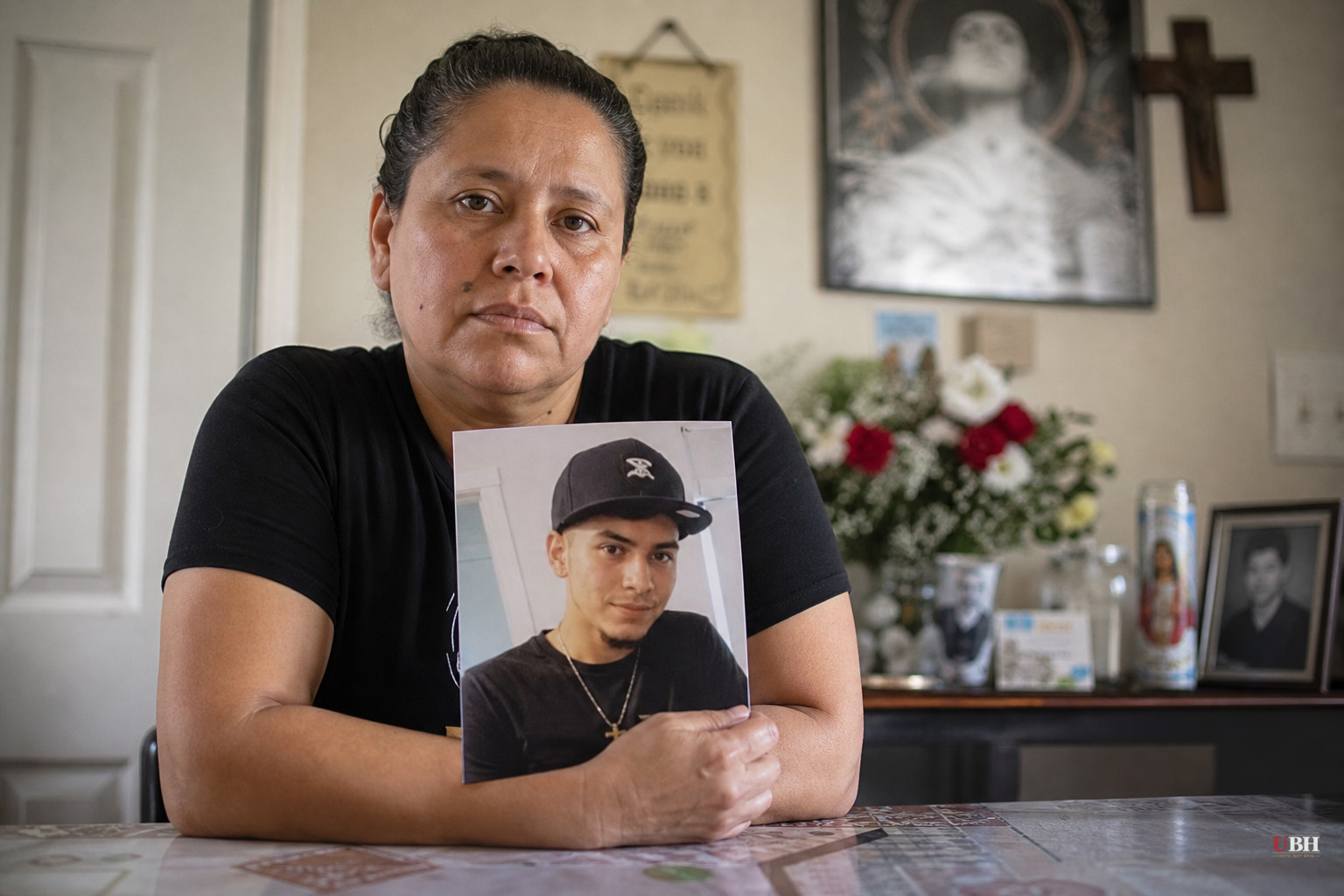
Ruben Ray Martinez, a 23-year-old U.S. citizen, was shot and killed by an Immigration and Customs Enforcement agent on South Padre Island, Texas, in the early morning hours of March 15, 2025. Sixteen months later, his mother Rachel Reyes says she is still waiting for anyone to be held accountable, according to NPR.
Martinez was killed roughly two months into President Trump's second term, right as his administration's immigration enforcement push was ramping up. Since then, according to The Trace, a nonprofit newsroom that tracks gun violence, there have been 29 additional shootings involving immigration agents and civilians, at least seven of them fatal. The Associated Press has counted at least 10 fatalities tied to immigration enforcement during Trump's second term.
Reyes says news of two more recent deaths, Lorenzo Salgado Araujo and Joan Sebastián Durán Guerrero, both killed by federal immigration agents, brought back the worst memories of losing her son. "It really breaks my heart for the families because I understand the nightmare they're going through," she told NPR.
What happened that night
Martinez had spent the night celebrating his birthday and was driving through a busy South Padre Island intersection where a car crash had occurred hours earlier. Multiple agencies, including Homeland Security Investigations, a division of ICE, had officers on scene managing traffic.
The Department of Homeland Security's account, given to NPR, says a different driver "intentionally ran over" an HSI officer, throwing him onto the hood of Martinez's blue Ford. DHS says "another agent fired defensive shots to protect himself, his fellow agents, and the general public" after witnessing that collision. The agency says the officer who was struck suffered a knee injury and was hospitalized.
But NPR reported in April that body camera footage from state and local officers who were also on the scene complicates that narrative. A nearly year-long fight by Martinez's family was required just to obtain that footage and get the case in front of a state grand jury. That grand jury ultimately declined to bring charges against the agent who fired the fatal shots.
The accountability gap, and the case for skepticism about it
Reyes has since written an op-ed in The New York Times arguing for more transparency and accountability when immigration agents open fire on civilians. Her core complaint: it took her family the better part of a year to get basic footage of the incident that killed her son, and even then, no charges followed.
When a federal agent's use of force results in a death, and the agency writing the incident narrative is also the agency whose officer pulled the trigger, the public has a real interest in an outside check. That could take the form of a grand jury, an independent inspector general, or body camera transparency rules that don't take a year to satisfy. A citizen died. The family says they still don't have real answers. That's not an unreasonable position.
At the same time, a Texas grand jury, not ICE and not DHS, reviewed the evidence and declined to indict. Grand juries exist specifically as an independent check on prosecutorial and law enforcement claims. Whatever frustration Reyes and her family feel, the case did go through an actual legal process with an outcome that wasn't determined by DHS itself. The case went through a genuine outside review process, which cuts against any suggestion that this was purely an agency covering for its own agent with no outside review at all.
What's unresolved is whether the body camera footage NPR reviewed in April actually contradicts DHS's account of a vehicle striking an agent first, or whether it's ambiguous. NPR's reporting doesn't spell out exactly what the footage shows in the material available here, only that the family fought for nearly a year to obtain it. That's a real gap in the public record, not a verdict on what happened.
What's actually new
The increase in shootings tied to immigration agents, now roughly 30 incidents and at least seven to 10 deaths since Martinez was killed depending on whether you use The Trace's or the AP's count, is the number driving renewed attention to Reyes's case. She's using her son's case, and her Times op-ed, to argue that whatever process existed in his case isn't working broadly enough now that similar shootings are recurring at a higher rate.
No new charges have been filed in Martinez's case. No federal investigation into the broader pattern of ICE and HSI shootings has been announced in these reports. DHS has not commented publicly beyond its original statement to NPR defending the agent's actions as defensive.
The open question is a policy one: whether Congress, DHS's own inspector general, or state prosecutors will treat the rising number of shootings involving immigration agents as a pattern demanding a systemic review, rather than a series of isolated incidents each judged on its own facts.
Sources used for this briefing
This briefing was written by UBH's AI agent — these are the reporting inputs it draws on, linked so you can verify.


