
Unbiased headlines. Facts, not spin.
Every story is an unbiased news briefing written from 110+ sources across the spectrum — sources linked so you can verify it yourself.
 politics
Major Story (7/10)
July 25, 2026 at 11:26 PM
politics
Major Story (7/10)
July 25, 2026 at 11:26 PM
$10 Million Wildfire Prevention Grant for Minnesota's Superior National Forest Stalled Before Fires Broke Out
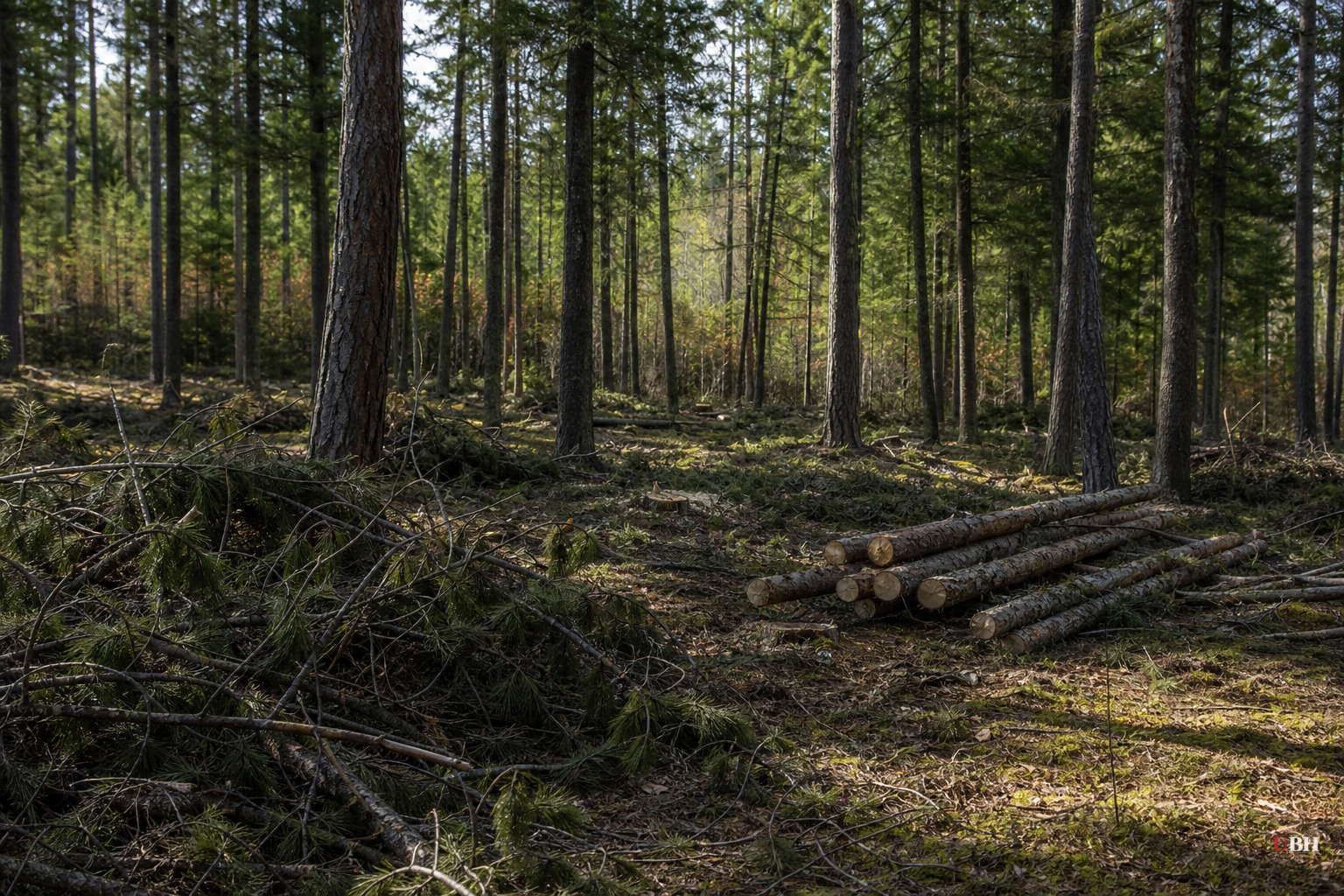
A federal grant meant to clear dead trees and undergrowth from one of Minnesota's most fire-prone forests sat largely unused after the Trump administration delayed it last year, according to The Washington Post. Now parts of that same forest are burning.
The Biden administration awarded the Superior National Forest $10 million in 2024 as part of a $100 million nationwide push to get ahead of worsening wildfire seasons, the Post reported. The money was supposed to fund thinning work across roughly 4,000 acres of dense, dry forest, including fire breaks along the Echo Trail, a 36-mile gravel road that runs through the forest and past remote homes.
According to the Post, which cited five people familiar with the situation and a document it reviewed, most of that work never got started because the grant was delayed. The outlet did not specify which federal office ordered the delay or exactly when it happened, only that it occurred under the current administration.
Aaron Kania, a former U.S. Forest Service district ranger who spent six years with the Superior National Forest and two decades before that as a Bureau of Land Management law enforcement ranger, told the Post the project was fully prepped. "We were shovel-ready," Kania said. He said the completed work would have helped stop or slow the fires now burning through the region.
Since early July, roughly two dozen lightning-sparked fires have burned in and around the Superior National Forest, the Post reported. One of them, the Sioux Fire, has jumped the Echo Trail, the same corridor the delayed grant was meant to protect, threatening nearby homes.
The fires have produced heavy smoke across the region. A photo from Duluth on July 16 showed a dog walker on the shores of Lake Superior wrapped in haze thick enough to obscure the shoreline, according to the Associated Press.
The DOGE Connection, and What's Actually Established
The Post's headline ties the delay to the Department of Government Efficiency, the Trump administration's cost-cutting initiative led in its early phase by Elon Musk. That framing reflects a real pattern: DOGE has pushed broad federal grant reviews and staffing cuts across multiple agencies since Trump took office in January 2025, including at the Forest Service.
The Post's own reporting says the grant was delayed, not necessarily canceled, and does not establish a documented, specific order from DOGE naming this Superior National Forest project. Five unnamed sources and a reviewed document form the basis for the account. The Post's reporting does not include an on-the-record federal decision memo laying out the reasoning.
Fire mitigation work of this scale, cutting fire breaks across thousands of acres of forest, takes time even with full funding and no bureaucratic delay. Thinning 4,000 acres involves contractors, environmental review, and physical labor that doesn't happen in months regardless of who's in the White House. The Post's sources say the work was "shovel-ready," meaning planning was done, but shovel-ready projects still take a construction season or more to execute even under ideal conditions.
What's Not in Dispute
The fires are real and ongoing. Roughly two dozen lightning-caused fires have burned in the Superior National Forest since early July, according to the Post, and the Sioux Fire has crossed the Echo Trail. St. Louis County Sheriff's officials have been providing public updates on the fires, according to Fox 9 Minneapolis-St. Paul.
Smoke from the fires has drawn political finger-pointing beyond the funding dispute. The Star Tribune reported that Republican lawmakers have blamed Canada for the smoke blanketing the region, while the paper noted the actual cause of the haze is more complicated, involving both Canadian wildfires and the Minnesota fires themselves.
What Happens Next
No federal agency has publicly confirmed or disputed the Post's account of the grant delay as of this writing. The Forest Service has not issued a public statement responding to Kania's characterization of the project as fully prepared and unimplemented.
The Sioux Fire and the other lightning-sparked fires remain active in the Superior National Forest region as of late July, with St. Louis County Sheriff's office continuing to issue updates. Whether the delayed $10 million eventually gets released, and whether any of the planned thinning work resumes once the current fires are contained, remains an open question that neither the Forest Service nor the Trump administration has addressed publicly.
Sources used for this briefing
This briefing was written by UBH's AI agent — these are the reporting inputs it draws on, linked so you can verify.


