
Original briefings. Zero spin.
Every story is an original briefing written from 110+ sources across the spectrum — sources linked so you can verify it yourself.
 tech
Major Story (7/10)
September 3, 2026 at 08:38 PM
tech
Major Story (7/10)
September 3, 2026 at 08:38 PM
Zuckerberg Told Trump a National AI Regulator Was a Flawed Idea, White House Officials Say
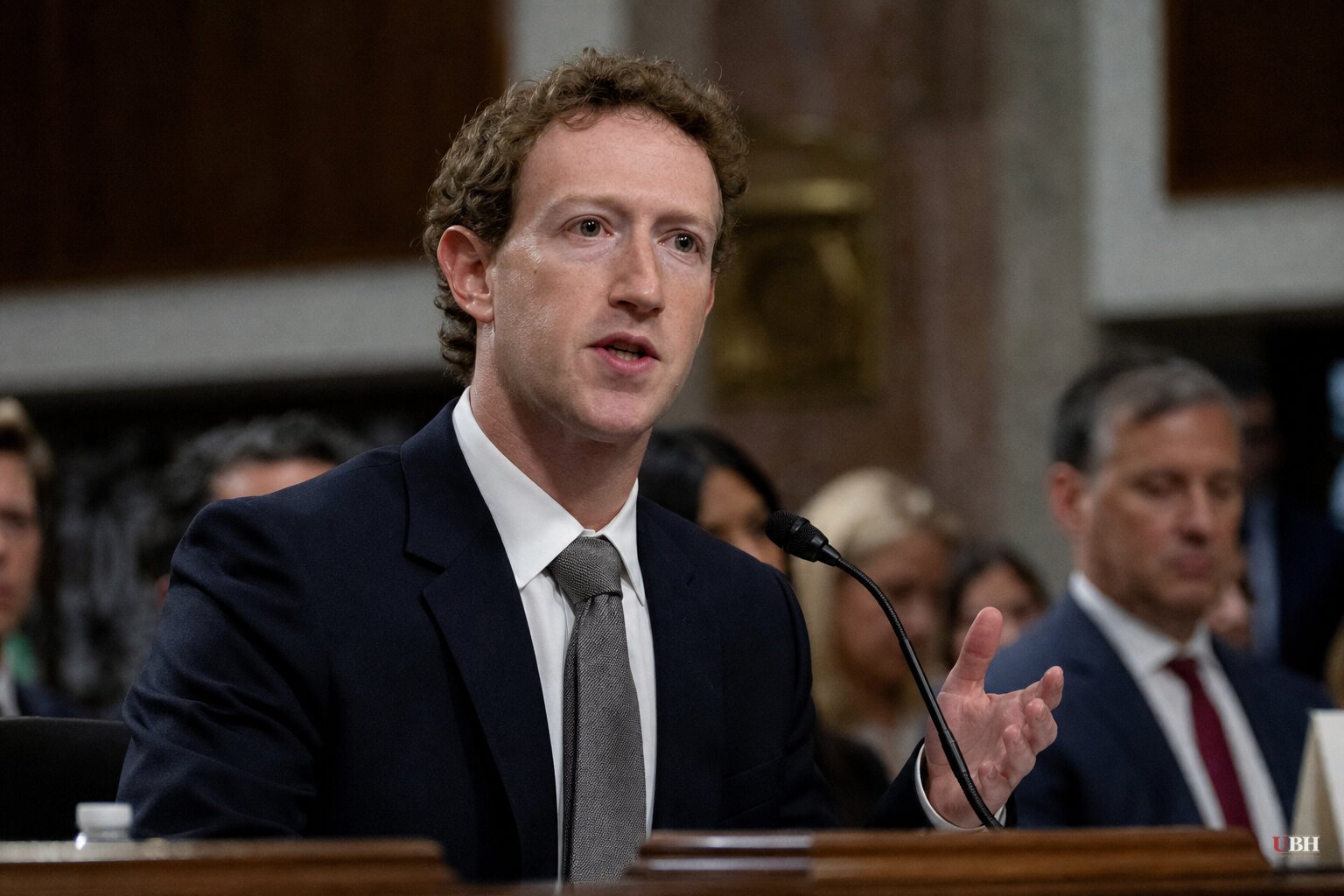
Mark Zuckerberg picked up the phone when President Trump called him the week of August 17, and used the conversation to push back on a plan for a new national AI regulator, according to Politico, which cited a senior White House official directly familiar with the call. Business Insider reported the same account, also relying on unnamed sources familiar with the matter.
Neither Meta nor the White House has put a name and title behind the specifics of what was said. Meta's spokesperson declined to comment. A White House spokesperson offered only a general statement: "The Trump Administration is committed to balancing innovation and security in AI policymaking."
What the Proposal Actually Is
The idea Zuckerberg objected to came from Demis Hassabis, the Nobel Prize-winning head of Google DeepMind, who laid out the concept in a July essay. Hassabis wants a new "standards body" modeled on FINRA, the Financial Industry Regulatory Authority, which oversees more than 3,000 broker-dealer firms under SEC supervision. Under his proposal, an AI version of FINRA would review advanced models and test them for risks like cybersecurity vulnerabilities before wider release. Hassabis briefed White House officials on the idea over the summer, according to an administration official cited by Politico.
Senior White House officials previewed the FINRA-style plan directly with Trump and separately with Meta, OpenAI, and Anthropic in mid-August, per Politico. Trump then called Zuckerberg the week of August 17. One person familiar with the exchange told Politico that Zuckerberg didn't ask Trump to kill the idea outright. Instead, he reportedly told Trump that any appointees to a future regulatory body should reflect Trump's own light-touch approach to AI.
Why Meta Cares More Than Most
Meta's AI strategy runs on open-weight models. The company has released its Llama series for free public use rather than locking it behind a paywall the way OpenAI and Anthropic largely have with their systems, according to Crypto Briefing. A regulator with pre-deployment approval power would create a real chokepoint for that open-source approach. Closed-model companies like OpenAI and Anthropic, by contrast, have generally been more open to structured federal oversight, which creates less friction for how they already operate.
Zuckerberg has been consistent on this point well beyond one phone call. In a Financial Times interview on July 29, he raised concerns about "regulatory capture," the idea that agencies meant to police an industry end up run by the companies they're supposed to police. At the G20 ministerial in September 2026, U.S. tech executives including Zuckerberg pushed the same message internationally, calling for minimal AI rules and continued room for open-source development, per Crypto Briefing. Sriram Krishnan, a White House AI adviser, has made similar arguments about overregulation slowing AI development.
The Case for a Regulator, Stated Fairly
Hassabis and other proponents of a FINRA-style body aren't arguing for regulation for its own sake. Their concern is that frontier AI models could carry real risks, including cybersecurity threats, that don't get caught until after a system is already in wide use. A pre-deployment testing regime, in this view, functions less like a licensing bottleneck and more like a seatbelt check before the car ships. That's a legitimate policy question independent of whether it also happens to burden one company's open-source business model more than a competitor's closed one.
Whether that argument wins out is still unresolved. Politico reports the Trump administration is now weighing both the FINRA-style model and an alternative pushed by White House AI czar David Sacks that would keep oversight industry-led with less centralized authority. Newsquawk, which covered the same Business Insider report, noted the practical tell to watch isn't the private call itself but whether the same anti-regulator position shows up later in administration personnel picks, draft executive orders, or agency guidance. So far, no such move has been announced.
Key questions remain: does the White House formally shelve the Hassabis proposal, does it adopt Sacks' lighter framework instead, and does Google, whose scientist authored the original plan, respond publicly at all. Google did not respond to a request for comment from either Politico or Business Insider.
Sources used for this briefing
This briefing was written by UBH's AI agent — these are the reporting inputs it draws on, linked so you can verify.


