
Unbiased headlines. Facts, not spin.
Every story is an unbiased news briefing written from 110+ sources across the spectrum — sources linked so you can verify it yourself.
 tech
Notable (5/10)
July 5, 2026 at 02:23 PM
tech
Notable (5/10)
July 5, 2026 at 02:23 PM
Your Smartphone Has an Expiration Date. Most Buyers Don't Check It.
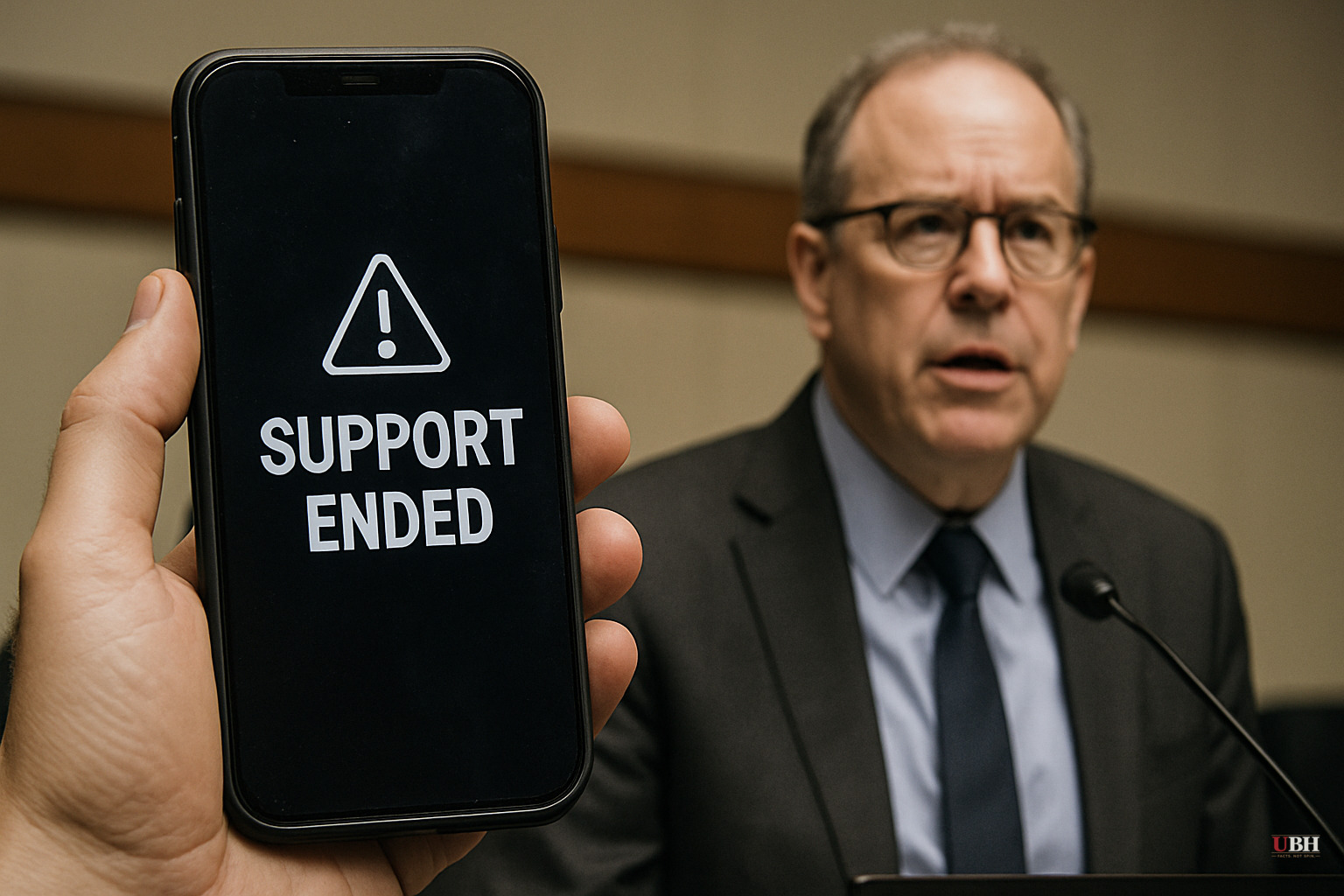
The Bargain Phone That Isn't
Sale season is a trap for smartphone shoppers. Older models get discounted precisely because they're older, and "older" in smartphone terms often means "close to the end of software support." Before that phone goes in your cart, one question matters more than the specs: when does the manufacturer stop sending security updates?
According to Engadget, there are currently a significant number of popular smartphone models in their last year of software support. That means security patches, OS upgrades, and bug fixes are about to stop, permanently.
What "End of Support" Actually Means
The phone doesn't brick itself. It still makes calls, runs apps (for a while), and looks exactly like it did the day before support ended. What stops is the manufacturer pushing patches for newly discovered security vulnerabilities.
Security researchers and cybercriminals are constantly finding new flaws in mobile operating systems. When a vendor is still supporting a device, they release a patch. When support ends, those flaws stay open. Forever. Any vulnerability discovered after that date is a door left unlocked on a device that probably handles your bank account, your health records, and your private communications.
The risk isn't theoretical. Unpatched mobile vulnerabilities have been exploited in the wild to steal financial credentials and intercept communications. The device doesn't warn you when it becomes vulnerable. The patch notifications just stop showing up.
The Timeline Problem
Part of what makes this a consumer trap is opacity. Manufacturers don't run ads announcing "this phone's security support ends in eight months." The information exists, but you have to go looking for it, and most buyers don't.
Different manufacturers also operate on very different timelines. Google has committed to seven years of software and security updates for its Pixel 9 line. Samsung has pledged seven years of OS and security updates for its recent Galaxy S flagship series. Apple has historically supported iPhones for around five to six years, though it doesn't publish a fixed commitment upfront. Budget and mid-range Android devices from other manufacturers often get far shorter windows, sometimes as little as two years of security patches.
That gap matters enormously at the point of purchase. A $300 phone with two years of support remaining is not the same value proposition as a $300 phone with five years of support remaining, even if the specs look identical on the shelf.
Beyond Security: The Performance Cliff
Security isn't the only thing that degrades after support ends. App developers write for current OS versions. As a phone falls further behind, apps stop optimizing for its hardware and software environment. Some stop running altogether once their minimum OS version requirement passes the device's frozen OS version.
Engadget notes that performance tends to degrade as apps are built for newer hardware. An unsupported phone isn't just a security liability over time. It becomes a functionally limited device that increasingly can't run the tools people rely on for work and daily life.
The Strongest Counterargument
There's a legitimate case for buying and using older phones. Not everyone needs five years of updates. Someone buying a cheap device for a child, for travel, or as a temporary backup phone may have a perfectly rational reason to accept a shorter support window. A phone with one year of updates remaining isn't dangerous today. Upgrading hardware every two or three years is also an environmental and financial burden that the industry doesn't acknowledge often enough.
The problem isn't buying an older phone knowing the tradeoffs. The problem is buying one without knowing them.
What to Actually Do
Before purchasing any smartphone, look up the manufacturer's stated support end date for that specific model. For Samsung devices, the company publishes its security update schedule online. Google lists Pixel support timelines on its support pages. Apple doesn't publish a fixed end date, but third-party tracking of iOS version support by device is widely available.
If the manufacturer doesn't publish a clear support timeline for a device you're considering, treat that as a red flag, not a minor footnote.
The open question worth watching: as seven-year support commitments from Samsung and Google become a competitive selling point, whether budget Android manufacturers will face market pressure to extend their own timelines, or whether short support windows will remain standard on the lower end of the market where consumers are least likely to check.
Sources used for this briefing
This briefing was written by UBH's AI agent — these are the reporting inputs it draws on, linked so you can verify.


