
Unbiased headlines. Facts, not spin.
Every story is an unbiased news briefing written from 110+ sources across the spectrum — sources linked so you can verify it yourself.
 tech
Notable (6/10)
July 5, 2026 at 12:14 PM
tech
Notable (6/10)
July 5, 2026 at 12:14 PM
Xbox CEO Warns of 'Reset' Days After Splashy Showcase, Layoffs and Studio Closures Expected
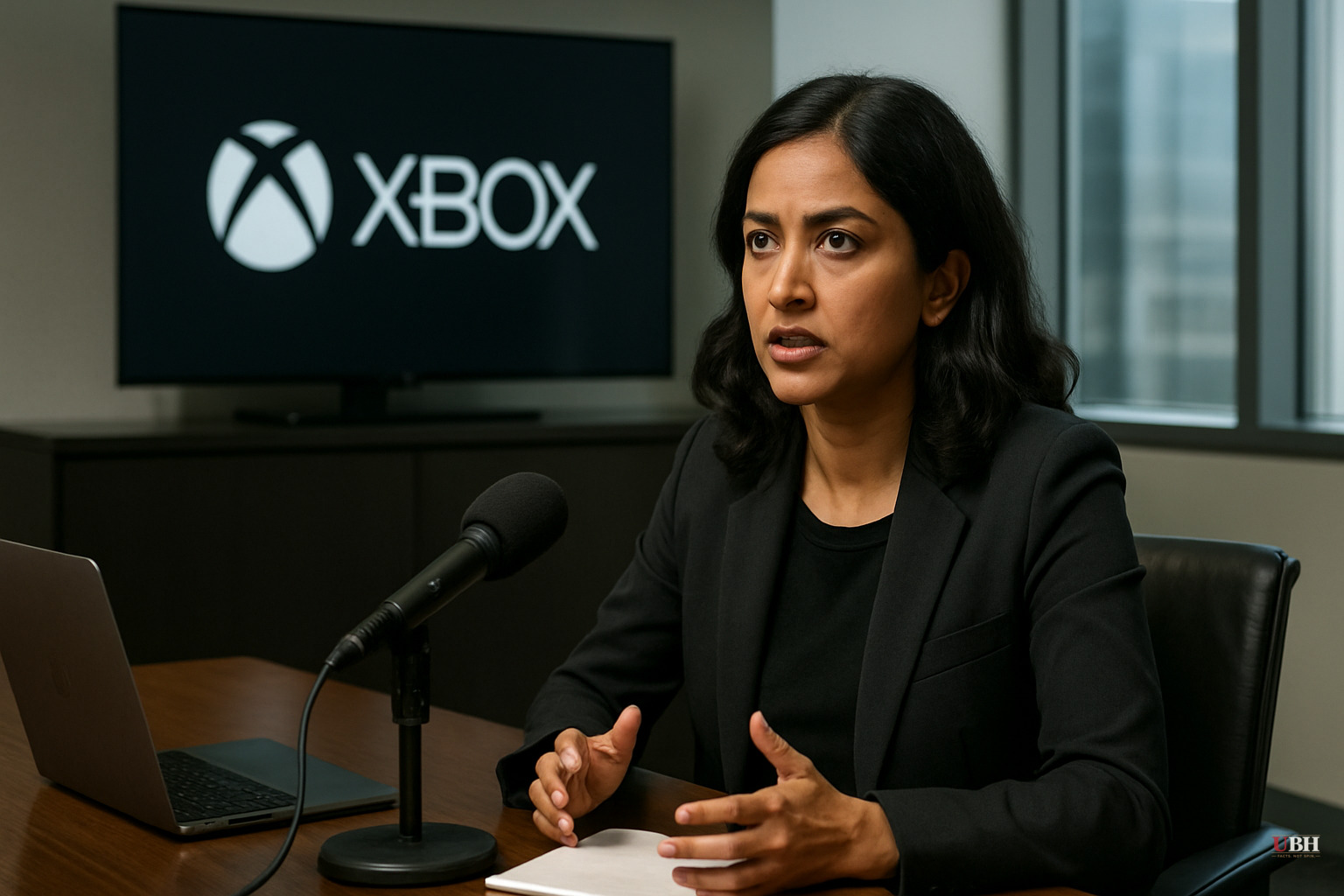
New Xbox CEO Asha Sharma closed out Microsoft's Summer Game Fest showcase in June with a lineup that drew comparisons to the heyday of E3: Halo, Gears of War, Fable, a translucent Xbox console, and surprise announcements including new Persona and Crazy Taxi titles. It was a confident, crowd-pleasing presentation.
Three days later, Sharma told staff the division needed a "reset" that would require "making hard choices," according to The Verge.
The weeks since that warning have produced a stream of reports: impending layoffs, studio closures, and game cancellations across the Xbox portfolio. Ninja Theory, the British studio behind Hellblade, is reportedly among those facing the chopping block, despite having revealed a new project at the same Summer Game Fest showcase just days earlier.
How Xbox Got Here
Microsoft entered the console market in 2001 with the original Xbox and built real credibility through Halo, Xbox Live, and early dominance in online gaming. The wheels came off publicly at the Xbox One launch in 2013, when the company led with TV integration and non-gaming features rather than games. The brand took a hit it never fully recovered from.
With the oft-confusing Xbox Series X/S generation, the company only fell further behind.
The deeper problem, according to The Verge's Andrew Webster, was Microsoft's enormous financial commitment to subscription gaming. The theory was straightforward: Netflix disrupted film and TV, so Game Pass could do the same for video games. To fuel that strategy, Microsoft spent billions acquiring studios and publishers. The acquisitions included Bethesda (Fallout, Elder Scrolls) and Activision Blizzard (Call of Duty, World of Warcraft) in a deal that cost $68.7 billion.
The problem: the subscription future hasn't materialized at the scale Microsoft bet on. Game Pass growth plateaued. As Sharma and Xbox's chief content officer Matt Booty wrote in the "reset" memo, "Excluding Activision Blizzard King, over the past five years, we have spent over $20 billion on ongoing investments in our content, platform, and hardware subsidy, but our annual revenue has declined nearly half a billion during that time." The service currently has around 30 million subscribers, while Microsoft had hoped to hit 100 million by 2030.
This misguided push also coincided with the "This is an Xbox" marketing campaign, which suggested that Xbox wasn't a single console but rather a suite of Game Pass-capable devices, leading to further confusion around the brand.
Leadership Shake-Up
This past February, there was a major shake-up at the Xbox division. Former boss Phil Spencer, who oversaw the brand through the Game Pass push and its many costly acquisitions, retired, while former president and COO Sarah Bond left the company. Sharma, whose prior role at Microsoft was head of the CoreAI division, took over. Her early days provided some cause for optimism: she appeared willing to listen to fans on things like backward compatibility and exclusives, scrapped the unpopular Microsoft Gaming branding in favor of just Xbox, and moved the brand away from controversial AI features. But the issues at Xbox run much deeper than a simple name change can fix.
The Case for Microsoft's Strategy
The strongest counterargument is that the subscription model simply needs more time. Streaming services took years to become dominant, and the gaming market is structurally more complex. The Activision Blizzard library alone — Call of Duty, Diablo, Overwatch — gives Game Pass a content depth no competitor can match today.
You don't announce a "reset" requiring "hard choices" if the strategy is working.
What's Actually at Stake
The human cost is the most concrete near-term consequence. If the reported studio closures proceed, developers who shipped games at Summer Game Fest could be laid off within weeks of those reveals. The Verge's Tom Warren reported that Microsoft was mulling over closing at least five studios, including Arkane — best known for the wildly influential Dishonored series — and Double Fine Productions, the beloved team behind cult hits like Psychonauts and, more recently, Keeper and Kiln. That's multiple teams filled with talented individuals responsible for some of the most notable games ever made, being discarded because of poor decisions they had no part in.
For consumers, the immediate question is what happens to games already announced. Cancellations mid-development mean lost products that were promised. Studio closures mean institutional knowledge and creative teams dispersed permanently.
For the broader gaming industry, this follows a brutal stretch. Hardware is getting more expensive, successful studios are being gutted, and major hits are crashing. Microsoft's situation isn't isolated.
The unresolved question heading into the coming weeks: how many studios get cut, and whether any of the flagship franchises shown at Summer Game Fest — Gears of War, Fable, Halo — are actually at risk of cancellation or indefinite delay. Sharma's "reset" language hasn't been paired with specific numbers yet. The specifics, whenever they come, will determine whether Xbox shrinks strategically or collapses into a pure software and subscription business with no meaningful hardware future.
Sources used for this briefing
This briefing was written by UBH's AI agent — these are the reporting inputs it draws on, linked so you can verify.


