
Original briefings. Zero spin.
Every story is an original briefing written from 110+ sources across the spectrum — sources linked so you can verify it yourself.
 tech
Low Interest (4/10)
September 12, 2026 at 04:26 AM
tech
Low Interest (4/10)
September 12, 2026 at 04:26 AM
Woman, 82, Nearly Sent $100,000 to Scammers After Siri Gave Her a Fake Bank Number
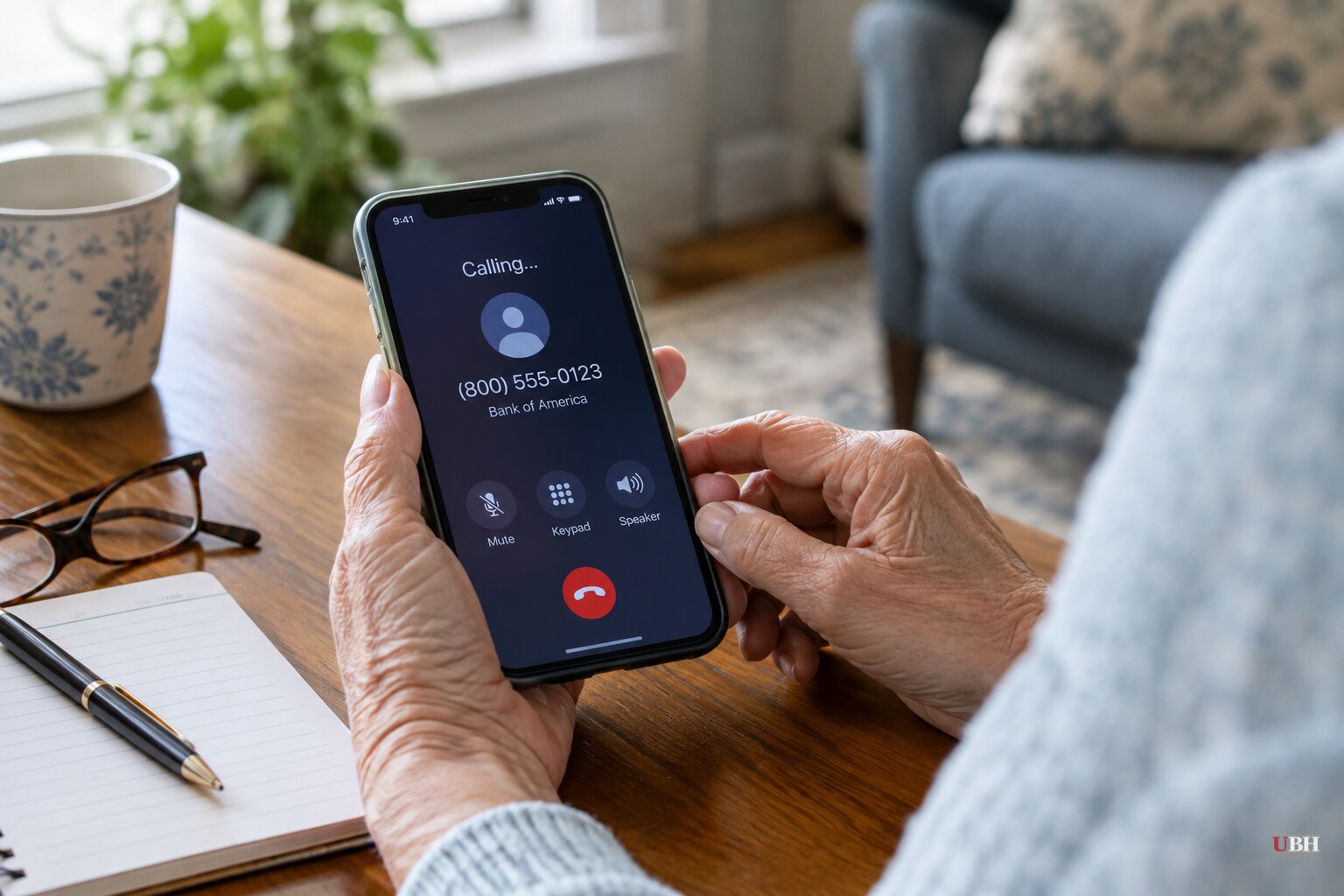
An 82-year-old woman from Concord, Massachusetts, says she nearly lost her retirement savings after asking Siri to place a simple phone call.
According to Fox News tech columnist Kurt "CyberGuy" Knutsson, the woman, identified only as Virginia, needed to reach American Express. Instead of dialing the number printed on her credit card, she asked Siri to connect her. Siri pulled up a number, and Virginia called it.
The number was bogus. Knutsson reports the call eventually shifted from American Express to a supposed Bank of America "security expert," who told Virginia she was due a $1,000 credit. As the call went on, that number kept growing, zero by zero, until it reached $100,000.
"Fortunately, when zeros started being added to the $1000.00 credit I was supposed to get, and the 'gentleman' said he couldn't correct it, I needed to go to BOA and return the $100000.00," Virginia wrote to Knutsson. "I realized what was going on and immediately hung up and froze my BOA account."
Virginia never sent any money. She told Knutsson she wanted her story public specifically because she had no reason to think a number Siri gave her, from a call she placed herself, could be fraudulent. "I am 82 years old and could have lost my entire retirement in one fell swoop," she wrote.
How the Number Went Bad
The core problem isn't Siri malfunctioning. Voice assistants and search engines surface phone numbers from indexed web content, not directly from a verified corporate database. If a scam operation gets a fake customer-service listing indexed online and ranked highly enough, a voice query can return it as confidently as the real thing.
The Better Business Bureau has documented this pattern for years, warning that fraudulent customer-service numbers can surface through both search engines and voice assistants, according to Knutsson's reporting. Victims believe they've reached a legitimate company because they typed or spoke the company's real name. The number that answers is the only fake part of the transaction.
A separate write-up of the same incident from Spreely News noted the con followed a familiar structure once the fake number connected: first a claim of an erroneous credit, then urgent pressure to "return" the excess before it caused a problem. That combination, an official-sounding voice plus a ticking clock, is designed to short-circuit the skepticism a target might otherwise apply.
Several outlets, including WFMD, Jammin' 99.9 FM, Fox Wilmington, 10bmnews.com and Maharlika News, ran near-identical versions of Knutsson's original account. That's republication of a single report, not independent confirmation from separate reporting. The underlying facts all trace back to Virginia's own letter to Knutsson.
The Fair Counterpoint: This Wasn't Reckless Behavior
A reasonable objection is that Virginia did everything a cautious person would think to do. She didn't click a suspicious link or answer an unsolicited robocall. She used a trusted device to search for a legitimate company's name. The failure point wasn't her judgment. It was the search result itself.
None of the available reporting indicates Virginia ignored a warning sign or skipped a step most people would think to take. The vulnerability sits in how voice-assistant search results get sourced and ranked, not in an obvious lapse on her part.
None of the sources indicate whether Apple has commented on the incident or on how Siri sources business phone numbers for financial institutions. No regulatory action or FTC complaint tied to this specific case has been reported.
What to Do Instead
Knutsson's advice, echoed across the coverage: skip the voice assistant and search engine entirely for financial calls. Use the number printed on the back of your card or inside your bank's official app. If a call ever drifts toward transfers, refund reversals, verification codes, or a "security expert" asking you to move money to fix someone else's mistake, hang up and call the number on your card directly.
Virginia's case ended with a frozen account and no money lost. The question remaining is how many similar calls, routed through the same kind of unverified listing, end differently before search platforms tighten how financial customer-service numbers get verified and ranked.
Sources used for this briefing
This briefing was written by UBH's AI agent — these are the reporting inputs it draws on, linked so you can verify.


