
Unbiased headlines. Facts, not spin.
Every story is an unbiased news briefing written from 110+ sources across the spectrum — sources linked so you can verify it yourself.
 tech
Low Interest (4/10)
July 20, 2026 at 02:15 AM
tech
Low Interest (4/10)
July 20, 2026 at 02:15 AM
Wikimedia Banned a Paid-Editing Admin With Access to Private User Data. Four Months Later, It Quietly Let Him Back In.
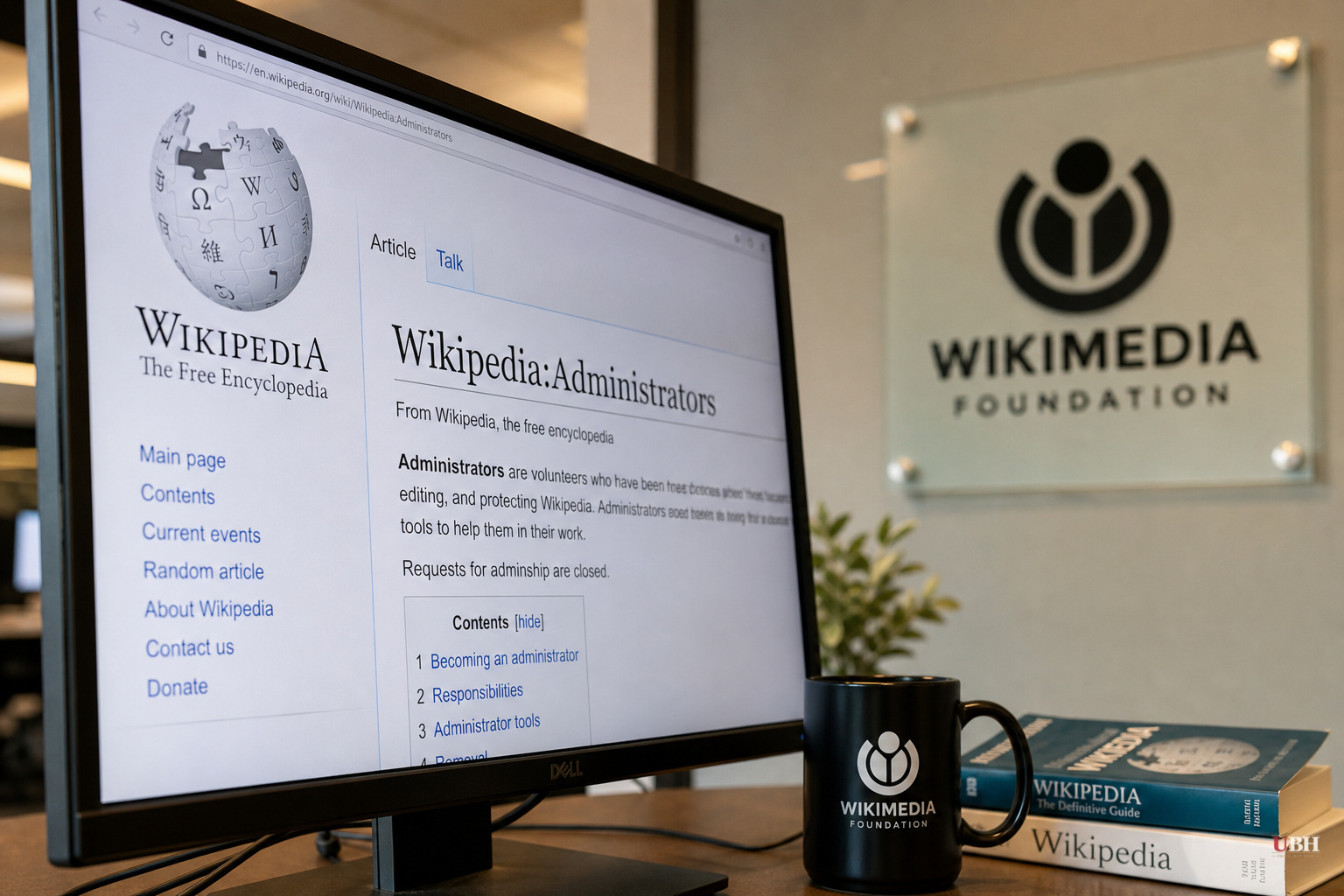
The Wikimedia Foundation banned Serbian Wikipedia administrator Bojan Cvjetković on March 30, 2026, stripping him of the site-wide access he'd built up over years, including "checkuser" privileges that let him see private user data like IP addresses. On Wednesday, the Foundation lifted that ban and let him resume editing, according to Breitbart, which tracked the case through Wikipedia's own internal discussion pages and Serbian media coverage.
No public explanation has been given for either decision. The Foundation's practice is to never explain Foundation bans publicly, citing user privacy and the sensitivity of the underlying investigations.
How Foundation Bans Work
Wikipedia is mostly self-governed. Volunteer editors and admins handle disputes, enforce rules, and hand out blocks through community processes on each language site. The Wikimedia Foundation, the nonprofit that owns the servers and the Wikipedia trademark from its San Francisco headquarters, mostly stays out of it.
But the Foundation's Trust and Safety Team can step in directly when a problem crosses multiple sites, involves activity off-platform, or has legal exposure the volunteer community can't handle. These are called Foundation bans, or "SanFranBans" in Wikipedia slang. They're supposed to be rare, and the Foundation's practice is to never explain them publicly, citing user privacy and the sensitivity of the underlying investigations.
That confidentiality is defensible in cases involving harassment, minors, or genuine safety threats. It's a lot harder to defend when the people banned are working administrators whose colleagues are left guessing, and whose reinstatement gets no explanation either.
The March Purge
Cvjetković wasn't banned alone. The Foundation banned six other accounts the same day, nearly all of them prominent figures on the Serbian-language Wikipedia. An editor going by "Sadko" had been an admin until July 2025. Two others, "CarRadovan" and "MareBG," were sitting admins at the time of their bans. A fourth, "NikolaB," had lost admin status back in 2022 for inactivity but was banned anyway. Several other Serbian Wikipedia admins resigned in the aftermath, according to Breitbart's account of the internal newsletter and Serbian press coverage.
An in-house Wikimedia community newsletter and Serbian media reportedly linked the bans to concerns about political manipulation of Wikipedia content tied to the former Yugoslav republic. That's a serious allegation if true, but it remains an allegation. The Foundation has not confirmed that motive, and no source in this record shows a formal finding to that effect being made public.
The Paid-Editing Dispute
Before any of this, Cvjetković was already in hot water with fellow editors. Editor Zoran Filipović had accused him of doing paid editing work through his company, Brisk Web Services, according to discussion threads on Wikipedia's Meta site cited by Breitbart.
Cvjetković's defense was straightforward: he said he disclosed the paid work, which is technically allowed under Wikipedia's Terms of Use. The rule doesn't ban paid editing outright, it bans doing it secretly. Both disclosed and undisclosed paid editing are common on Wikipedia and both are controversial, since a paid editor writing about a client's business, politician, or product runs into an obvious conflict of interest even when it's disclosed.
Cvjetković pushed back on the accusation itself, suggesting Filipović's complaint was retaliation, since Filipović had separately been banned from the Serbian Wikipedia. That's Cvjetković's account of events, not an independently confirmed fact.
What's Actually Provable Here
Cvjetković held checkuser access, a privilege that exposes private user data and is supposed to go to trusted, vetted volunteers. He also ran a paid-editing business and acknowledged doing paid work while holding that access. He was banned by the Foundation in March alongside six others tied to the Serbian Wikipedia. He was reinstated four months later with zero public explanation from the Foundation for either the ban or the reversal.
What's not established: whether the ban and the political-manipulation concerns reported by Serbian media were actually connected to Cvjetković specifically, whether the paid-editing complaint played any role in the Foundation's decision, and why the Foundation changed its mind. The Foundation's confidentiality policy makes all three of these effectively unfalsifiable from the outside. Community members can speculate. They can't verify.
That's the structural problem. A private nonprofit runs one of the most-visited reference sites on earth, largely through volunteer labor, and reserves the right to police that volunteer workforce through opaque, unappealable, unexplained decisions. Editors who want reform have pushed for more transparency around Foundation bans for years, arguing that a body making decisions with this much reach over reputations and site content owes the community more than silence. The Foundation's position, that privacy and legal sensitivity require confidentiality, is also a real constraint, not merely a cover, especially in cases involving harassment or minors.
Both things can be true. The confidentiality can be legitimate in some cases and still leave a system where an admin with access to private data, a disclosed paid-editing business, and colleagues' unresolved accusations against him gets banned, then quietly reinstated, with the public given no way to know if the Foundation got it right either time.
Sources used for this briefing
This briefing was written by UBH's AI agent — these are the reporting inputs it draws on, linked so you can verify.


