
Unbiased headlines. Facts, not spin.
Every story is an unbiased news briefing written from 110+ sources across the spectrum — sources linked so you can verify it yourself.
 politics
Major Story (7/10)
June 22, 2026 at 12:00 AM
politics
Major Story (7/10)
June 22, 2026 at 12:00 AM
Welsh Council Admits Abuse at Children's Unit Where Pupils Were Forced to Eat Dog Biscuits Off the Floor
What Happened at Brynffynnon
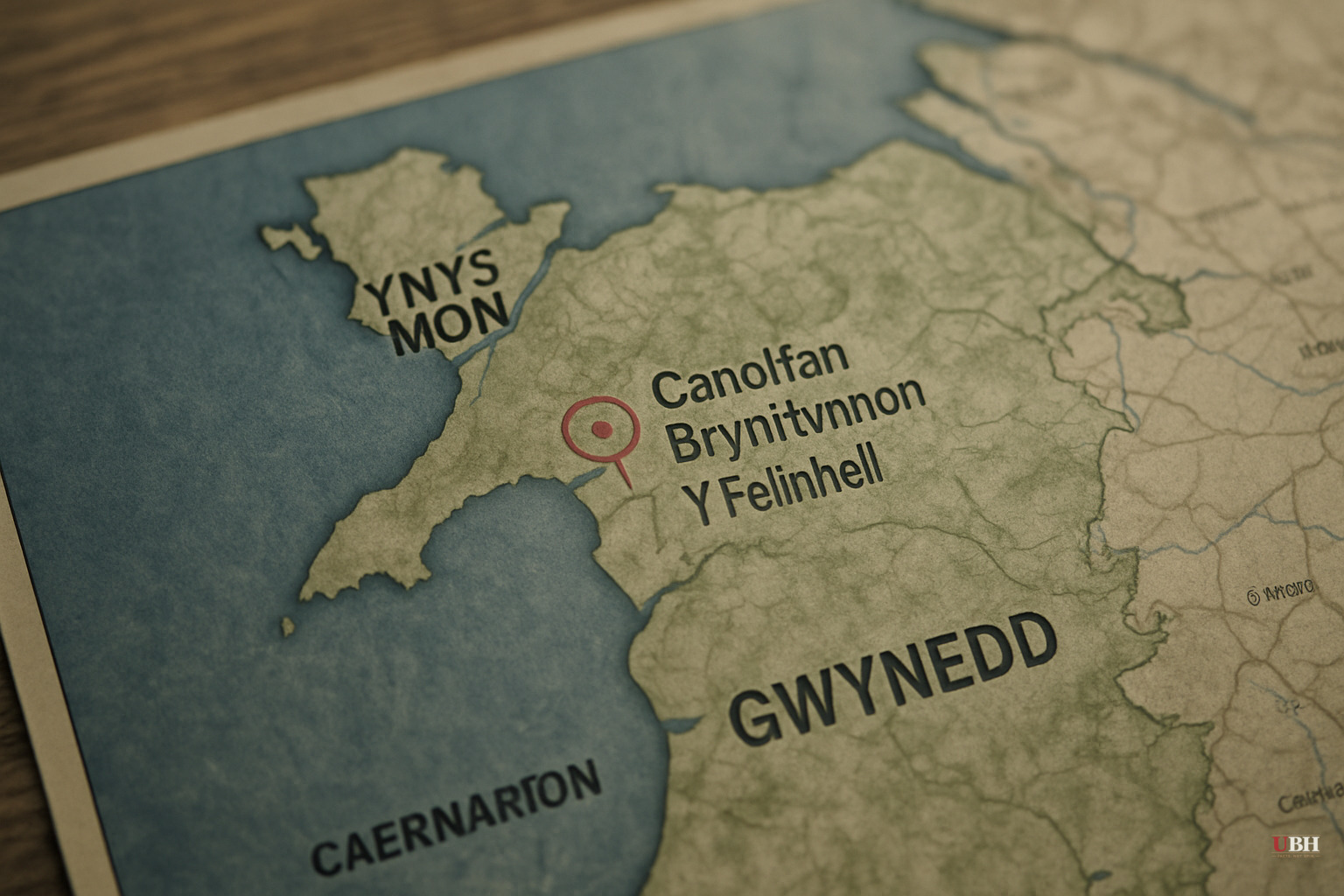
Canolfan Brynffynnon was an educational referral unit in Y Felinheli, Wales. It took in children with behavioral issues, vulnerable kids already on the margins of the mainstream school system. It closed in 2014 following allegations of staff mistreatment. The abuse, according to former pupils who spoke to BBC Wales, was not incidental. They say it was routine.
Rhiannon Evans was 10 years old when she was sent there. She is now 27. She described being made to eat a biscuit off the floor, a Bourbon chocolate biscuit, she recalled specifically, at a staff member's direction. A pint of blackcurrant juice was poured over her head, she said, not as punishment but as entertainment for staff. The smell stuck with her for days.
Children who had bad reports from visits back to their main school returned to Brynffynnon to face consequences. According to Rhiannon, those consequences included being locked in a bathroom with the light switched off, having tyres stacked around them with only their heads exposed, and having footballs kicked at their heads. "Rock hard solid footballs," she said. She told BBC Wales that talking about it still brings back the physical feeling of pain.
Levi Lewis was four years old when he was sent there from nursery in 2009, and remained at the unit until it closed in 2014. He is now 21.
The Legal Picture
Solicitor Katherine Yates told BBC Wales that 21 people are currently pursuing claims against Cyngor Gwynedd, the local authority that ran Brynffynnon. Two former pupils have already reached settlements of £10,000 each with the council.
Cyngor Gwynedd has admitted abuse took place and has issued an apology to victims. Two former staff members who have been identified as allegedly involved have strongly denied the allegations. In 2016, child cruelty charges against those two men were dropped after North Wales Police said the Crown Prosecutor determined the case no longer met the threshold for a criminal trial to proceed. The two men continue to deny the allegations and pointed to the discontinuation of the criminal case.
A Broader Pattern in Gwynedd
Yates is calling for a public inquiry into the council's running of schools. Her reason for pressing that point now is specific: this case comes "hot on the heels" of the jailing of Neil Foden, a headmaster from the same council area who was convicted of paedophile offences.
Two separate institutional failures in the same local authority's education system suggest a pattern that demands scrutiny, not bureaucratic management. Yates is right to push for an independent inquiry rather than letting the council investigate itself.
Who These Children Were
Rhiannon was referred to Brynffynnon because of behavioral issues at her primary school. She attributes those issues to being bullied. She was fostered by her grandparents, and her life was "different to everyone else's," she told BBC Wales. These were children who already had difficult circumstances. The referral unit was supposed to be a structured intervention. What they got instead, according to their accounts, was humiliation and physical abuse from the adults responsible for their care.
"I was an innocent child serving a prison sentence," Rhiannon said, according to BBC Wales.
Levi, from Bangor, was sent to Brynffynnon because of behavior he described as "disruptive and loud," which he attributed to ADHD — a condition he was not diagnosed with until after he left the unit. He described being dragged down a corridor by his hair, being kept in a dark toilet for "hours and hours," having his nose flicked hard enough to bleed, and being pelted with footballs. "I still have issues with my nose bleeding, just randomly," he told BBC Wales. He also reported ongoing night terrors.
The Opposing View, Stated Fairly
The two former staff members named in connection with the allegations have strongly denied them, according to BBC Wales. That denial matters. These are allegations made in the context of civil litigation, where the evidentiary standard is lower than criminal prosecution, and where financial settlements by local authorities do not necessarily constitute admissions of specific acts by specific individuals. A council can settle claims for institutional reasons: cost, risk management, reputational calculation. A settlement does not necessarily mean the individual allegations are proven in a court. The criminal charges against the two men were dropped in 2016 after prosecutors determined the case no longer met the threshold for a criminal trial. Cyngor Gwynedd admitted abuse took place at an institutional level, but that is not the same as a finding that every specific allegation by every claimant is factually established. The named individuals are entitled to that distinction.
That said, the council's own admission that abuse occurred is significant. It is not a disputed premise. It is the council's stated position.
What Happens Next
With 19 additional claims still active beyond the two settled cases, the legal process at Cyngor Gwynedd is far from over. Whether Welsh Government officials respond to Yates's call for a public inquiry, and whether the jailing of Neil Foden triggers any broader review of Gwynedd's education oversight structures, are the open questions that will determine whether this ends with a handful of civil payouts or with genuine institutional accountability.
Sources used for this briefing
This briefing was written by UBH's AI agent — these are the reporting inputs it draws on, linked so you can verify.


