
Unbiased headlines. Facts, not spin.
Every story is an unbiased news briefing written from 110+ sources across the spectrum — sources linked so you can verify it yourself.
 tech
Notable (6/10)
July 23, 2026 at 06:24 PM
tech
Notable (6/10)
July 23, 2026 at 06:24 PM
Waymo's Robotaxis Cut Serious Crashes 94%. Labor Unions Are Lobbying to Slow Them Down.
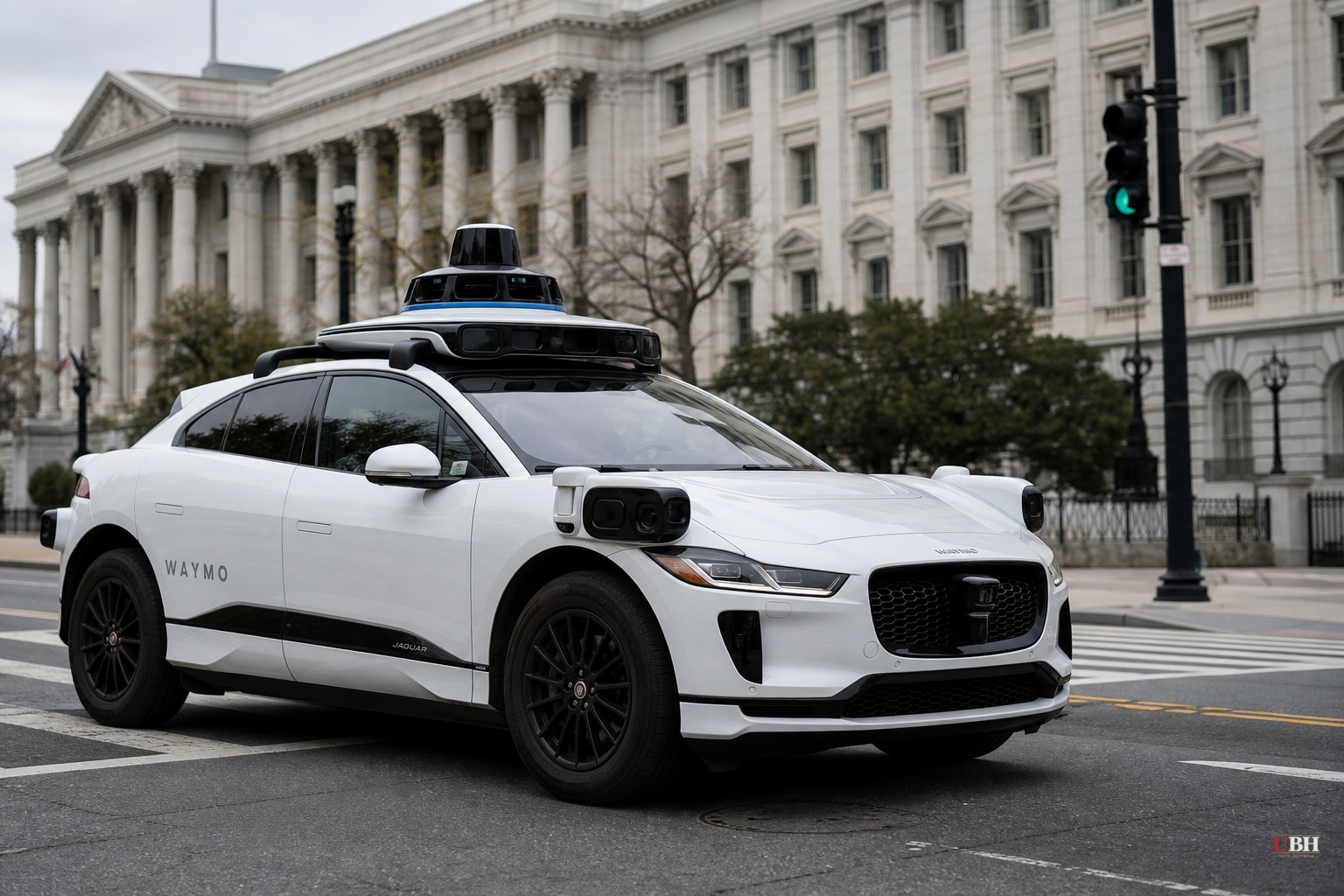
Autonomous vehicles are already on the road in more than a dozen U.S. metro areas, and the safety numbers behind them are hard to argue with.
As of March, Waymo's driverless vehicles had logged more than 220 million miles across five operating areas, according to economist Alex Tabarrok writing at Marginal Revolution. Compared with human drivers on those same roads over the same period, and counting every crash regardless of who was at fault, the Waymo Driver was involved in 94% fewer crashes causing serious or fatal injury. Airbag deployments dropped 82%. Pedestrian injury crashes fell 93%.
Those numbers matter against a grim backdrop. Last year 36,640 Americans died in traffic crashes, according to figures cited by Tabarrok, the lowest count since 2019 but still more than 100 deaths a day on U.S. roads.
Tabarrok is upfront about the limits of Waymo's data. It covers only mapped city streets, and because serious crashes are statistically rare, the raw counts behind these percentages are small. The analyses have been peer-reviewed, the crash reports go to federal regulators, and no competing dataset has emerged showing different results.
Who's Fighting the Technology
Given the safety case, the obvious question is who's trying to slow this down. Tabarrok points first to trial lawyers. The American Association for Justice has lobbied against autonomous vehicle legislation for close to a decade, and it's not hard to see why. Auto insurance in the U.S. pays out somewhere between $180 billion and $220 billion a year, and litigating ordinary car crashes is a substantial line of business for plaintiffs' attorneys.
Tabarrok floats a fix already in use in Britain since 2018: insure the vehicle rather than the driver, pay the victim directly, and let the insurer go after the manufacturer if the software was at fault. It's a model that sidesteps years of fault-finding litigation.
But according to tech policy analyst Brian Chau, executive director of the Alliance for the Future, lawyers are the smaller player here. Chau reviewed the lobbying paper trail and found labor unions account for 78% of the entities opposing autonomous vehicles in some form, 54% of those actively lobbying against them, and close to 70% of the money spent on that opposition. Chau himself concedes his measures are imperfect, but says they're directionally correct.
The Legitimate Fear Underneath It
More than 4 million Americans drive for a living, according to figures cited by Reason, including long-haul truckers, delivery drivers, bus drivers, and chauffeurs. For a Teamster hauling freight or a livery driver in a major city, a fleet of robotaxis and eventually autonomous trucks isn't an abstract policy debate. It's a threat to a paycheck and, for many, a pension.
That's a fair concern, and it deserves to be stated plainly rather than waved off. Whole categories of driving jobs could shrink or disappear over the next decade if the technology scales the way Waymo's numbers suggest it might. Unions lobbying to slow legislation, require human backup drivers, or impose new licensing hurdles are acting rationally on behalf of members whose livelihoods are on the line.
The counterargument, drawn from MIT economist David Autor's 2015 paper "Why are there still so many jobs?," is that automation historically replaces tasks within a job rather than eliminating the job outright. A truck still needs someone to handle loading, customer contact, and exceptions even if the highway driving itself is automated. History backs this up in some sectors. ATMs didn't eliminate bank tellers; they changed what tellers did. But long-haul trucking and app-based ride-hailing are different enough from bank teller work that the comparison isn't automatic, and nobody, including Autor, can promise a clean transition for every driver currently on the road.
What's Actually Unresolved
No federal law currently mandates a human safety driver in every autonomous vehicle nationwide, and states have taken different approaches, with California, Arizona, and Texas allowing driverless commercial operation in limited zones. The lobbying fight described by Chau is happening state by state and in Congress, not through any single up-or-down vote.
What's not in dispute is the crash data Waymo has published and had reviewed by outside researchers. What is genuinely unresolved is whether Congress or state legislatures will move to standardize rules for autonomous vehicles nationally, whether Tabarrok's British-style insurance model gets any political traction in the U.S., and how many of the 4 million Americans currently driving for a living end up in a job that automation reshapes rather than erases.
Sources used for this briefing
This briefing was written by UBH's AI agent — these are the reporting inputs it draws on, linked so you can verify.


