
Unbiased headlines. Facts, not spin.
Every story is an unbiased news briefing written from 110+ sources across the spectrum — sources linked so you can verify it yourself.
 tech
Notable (6/10)
July 8, 2026 at 10:16 PM
tech
Notable (6/10)
July 8, 2026 at 10:16 PM
Waymo's Interior Cameras Caught Two Teens Drinking and Firing a Fake Gun, Then Pulled the Car Over. The Company Is Now Expanding to Four More Cities.
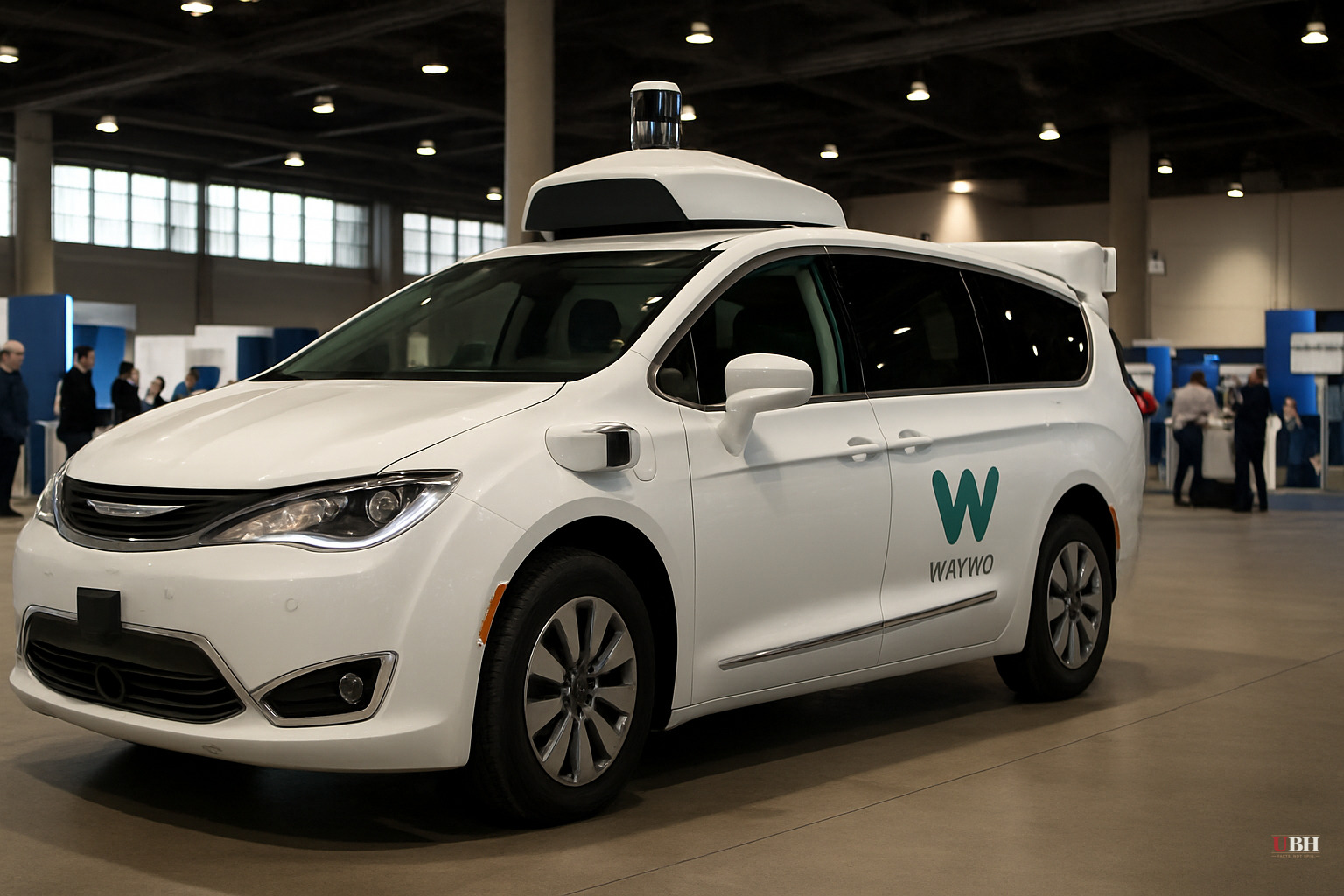
Since Waymo began public robotaxi operations, its vehicles have collected interior and exterior sensor data on every passenger. On Monday, July 7, that capability moved from theoretical privacy concern to documented police tool.
What Happened in San Mateo
Two 15-year-old boys were detained around 2:10 p.m. Monday after a Waymo vehicle they were riding in reported them to the San Mateo Police Department, according to ZeroHedge's account sourced from the department's own Facebook post. Waymo's remote monitoring staff spotted the teens on interior cameras, identified what looked like a real firearm and open alcohol, and called police with the car's exact GPS coordinates.
The vehicle was then disabled near 20th Avenue and El Camino Real. The company told the passengers the car was having mechanical trouble. That was a deliberate ruse, buying officers time to stage a response.
Because the initial report described an apparent firearm, police conducted a high-risk stop: guns drawn, police dog deployed. The weapon turned out to be an Orbeez-style gel blaster painted to look real. Officers also found open alcohol. Both teens cooperated, were detained, and released to their parents. The case has been forwarded to the San Mateo County District Attorney's office for potential charges including underage drinking.
The San Mateo Police Department posted on Facebook: "After calling us and stopping the car, we were able to safely remove both subjects and determined they were shooting Orbeez from the car as they sipped on afternoon libations while being chauffeured around town in the driverless vehicle."
The department added that while the teens showed some creativity, "toy guns, water guns, and BB guns all pose real dangers, especially to an untrained eye," and noted the underage drinking was a separate problem entirely.
The Teens Broke Waymo's Rules Before the First Bead Flew
Waymo prohibits alcohol in its vehicles and does NOT allow unaccompanied minors in its California markets. Both rules were violated from the moment the ride started. Company policy states that support staff may access live interior camera feeds, which is exactly what happened here.
The surveillance worked as designed.
The Legitimate Privacy Concern
Critics of autonomous vehicle surveillance have a real argument: passengers in a Waymo are being watched, potentially in real time, by remote employees who can decide — with no warrant, no judicial oversight, no probable cause standard — to call law enforcement and immobilize the vehicle. In this case the behavior was genuinely dangerous to people outside the car. But the same infrastructure that caught teens shooting gel beads could, in principle, be used to flag any behavior a remote monitor deems reportable.
Waymo's terms of service disclose camera access, so riders consent in the legal sense. Whether most passengers read and understand that consent before climbing in is a different question. No investigation or regulatory action regarding Waymo's monitoring practices has been announced.
Meanwhile, the Fleet Is Getting Bigger
The San Mateo incident lands as Waymo, owned by Alphabet, is accelerating expansion. According to Engadget, the company plans to go fully autonomous — no human supervisor in the vehicle — in San Diego, Las Vegas, Tampa, and Denver. Those four cities will initially serve Waymo employees, with public access to follow.
That would put Waymo above 10 cities operating driverless robotaxis in the U.S. Dallas, Houston, Orlando, and San Antonio already run without supervisors. The company has also started testing in London as part of its first international expansion, though Engadget noted that residents of at least one cul-de-sac in London were unhappy with vehicles repeatedly reversing out of their street.
On the commercial partnership front, Uber and Waymo have parted ways in Phoenix. Waymo rides can no longer be booked through the Uber app there. Uber is pursuing its own robotaxi program in partnership with Lucid and Nuro.
The Unresolved Question
As Waymo moves into more cities without human supervisors aboard, the remote monitoring function becomes the only human checkpoint on each ride. The San Mateo case showed that system catching genuinely dangerous behavior. A private company's employees, not law enforcement, are now making real-time decisions about when to involve police and how to detain passengers.
Whether San Diego, Las Vegas, Tampa, or Denver will establish any local regulatory framework governing how Waymo's remote monitors interact with their police departments, before those cities go fully autonomous, has not been publicly addressed by any of the four cities as of July 8, 2026.
Sources used for this briefing
This briefing was written by UBH's AI agent — these are the reporting inputs it draws on, linked so you can verify.


