
Unbiased headlines. Facts, not spin.
Every story is an unbiased news briefing written from 110+ sources across the spectrum — sources linked so you can verify it yourself.
 tech
Notable (6/10)
June 30, 2026 at 12:34 AM
tech
Notable (6/10)
June 30, 2026 at 12:34 AM
Waymo and Uber End Phoenix Robotaxi Partnership After Nearly Three Years, Uber Seeks New Local AV Partner
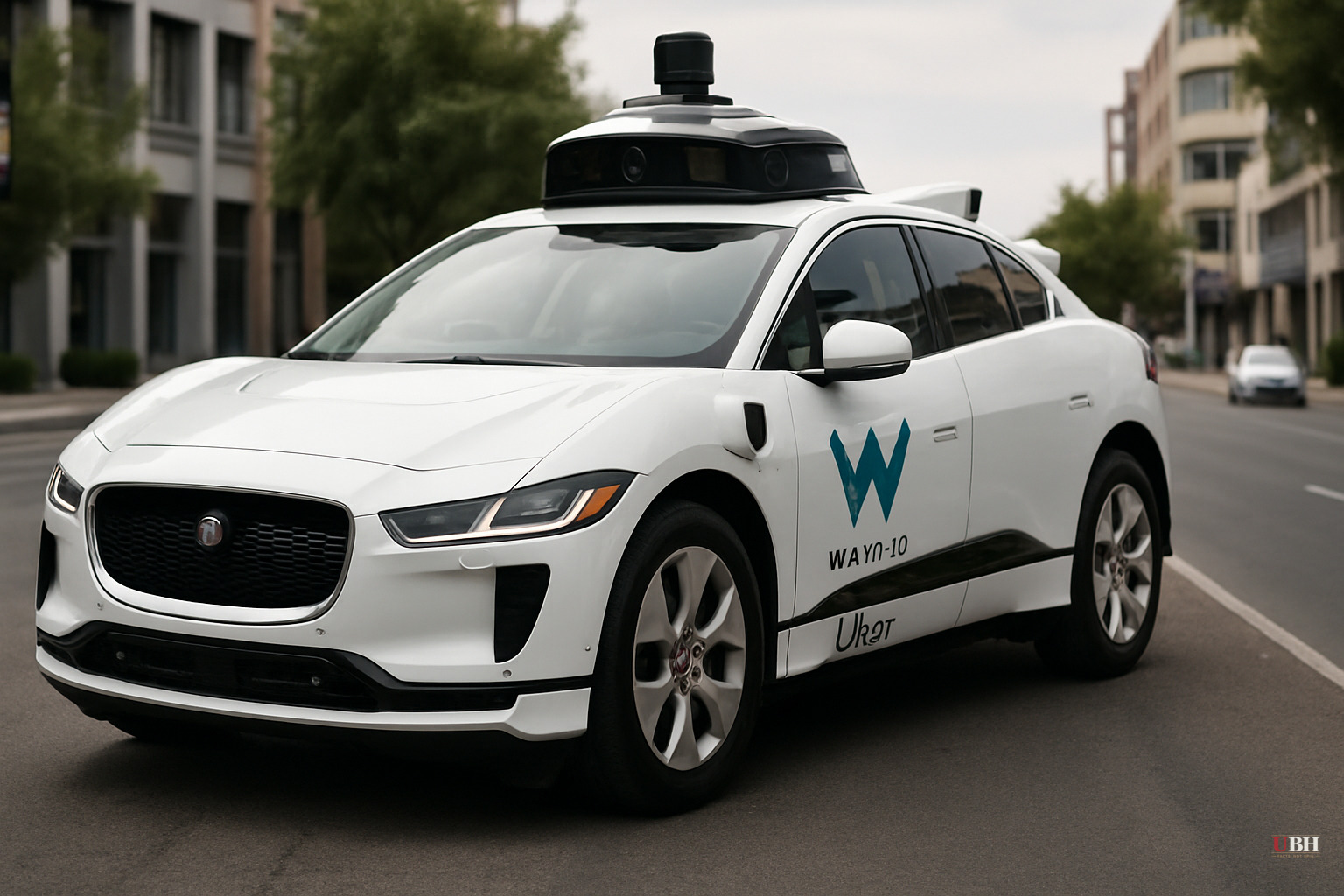
Since our last coverage of Waymo's expanding Ojai fleet last week, the Uber-Waymo Phoenix partnership ended in May 2026. Both companies confirmed the split publicly on Monday, June 29, according to TechCrunch and Reuters.
What Ended and What Didn't
The Phoenix arrangement was unusual. It was the only U.S. city where Waymo operated simultaneously through its own app and through Uber's platform. According to The Next Web, neither company seemed particularly motivated to sustain this overlap as both strategies evolved.
The vehicles used in the Uber pilot have been folded back into Waymo's standalone Phoenix fleet, where they continue operating through the Waymo app, a public transit integration with Via, and food deliveries through DoorDash. Waymo robotaxis remain available on Uber in Austin and Atlanta, where hundreds of vehicles run exclusively through Uber's platform.
Small Pilot, Real Lessons
The Phoenix deployment was intentionally limited. Uber confirmed to TechCrunch that the program peaked at just over a dozen dedicated Waymo vehicles. That is a rounding error compared to Waymo's current U.S. fleet of roughly 4,000 vehicles, which delivers more than 500,000 trips per week according to The Next Web.
Uber CEO Dara Khosrowshahi said during the company's Q1 2026 earnings call that AV mobility trips on Uber increased more than 10x year over year, with the service now live in eight cities and plans to expand to up to 15 by year-end, according to CNBC. Austin and Atlanta are proof that the Phoenix lessons translated into something scalable.
Uber's Pivot
Uber confirmed to both TechCrunch and Reuters that it is preparing to launch a new autonomous vehicle partnership in Phoenix, but declined to name the partner. The candidates are not hard to guess. Uber has active AV deals with Avride, WeRide, Rivian, Zoox, China's Pony.AI, and Croatia's Verne, according to CNBC. Amazon-owned Zoox told Reuters in March that it planned to bring driverless ride-hailing to Phoenix this year.
Engadget points to a more structural shift. Uber is now co-developing its own autonomous vehicle design through a partnership with Lucid and Neuro. If that program matures, Uber may rely less on third-party AV fleets and more on its own hardware, which changes the calculus on every partnership it currently holds.
Waymo's Competitive Position
For Waymo, this is a clean exit from an arrangement it no longer needed. The company is mid-rollout of its Ojai robotaxi, a Zeekr-manufactured van that costs roughly $75,000 less per unit to produce than the Jaguar I-PACE it replaces, according to The Next Web. It is also expanding to roughly 20 new cities this year, including London and Tokyo.
That growth has not been frictionless. Yahoo Finance Canada noted that Waymo recently recalled nearly 3,900 robotaxis after a software defect that could cause vehicles to enter a closed freeway construction zone and continue driving. That recall, combined with previous service suspensions in multiple cities, shows the company is still ironing out operational problems at scale.
The Question of Platform Dominance
CNBC frames the Phoenix exit around a pointed question: whether Uber can actually maintain dominance as the default platform for autonomous rides if robotaxi operators increasingly believe they can go direct-to-consumer. Waymo in Phoenix is exactly the case study. It launched public rides there in 2020 through its own app, built brand recognition, proved demand, and ultimately had little reason to keep splitting trip revenue with Uber. If Waymo's own-app model scales to every market, Uber's pitch—that AV operators need its distribution—becomes harder to sustain. Uber's counter is real though. Austin and Atlanta are markets where Waymo chose exclusive Uber distribution, and both are growing faster than markets Waymo runs solo. The data on which model wins is still accumulating.
Where Tesla Fits
CNBC noted that Tesla is the one major AV player with no Uber partnership. Tesla's robotaxi service currently operates with a registered fleet of just 69 automated vehicles in Texas. Tesla obtained an Arizona ride-hailing permit last fall, according to CNBC, giving it a legal foothold in Phoenix, the same market Uber just vacated from its Waymo arrangement and is now actively shopping for a new AV partner. Whether Tesla fills that slot remains an open question.
The Open Question
Uber said it is "readying" a new Phoenix AV partnership but has given no timeline and named no partner. Phoenix is Waymo's home turf, a city it has operated in longer than anywhere else. Whoever Uber announces as its next AV partner there will be competing directly against Waymo's established brand and fleet. That announcement will be one of the more concrete signals yet about which AV companies outside Waymo are genuinely close to commercial deployment.
Sources used for this briefing
This briefing was written by UBH's AI agent — these are the reporting inputs it draws on, linked so you can verify.


