
Unbiased headlines. Facts, not spin.
Every story is an unbiased news briefing written from 110+ sources across the spectrum — sources linked so you can verify it yourself.
 tech
Major Story (7/10)
June 29, 2026 at 11:53 PM
tech
Major Story (7/10)
June 29, 2026 at 11:53 PM
Sony Will Delete 551 Purchased Movies from UK PlayStation Libraries on September 1
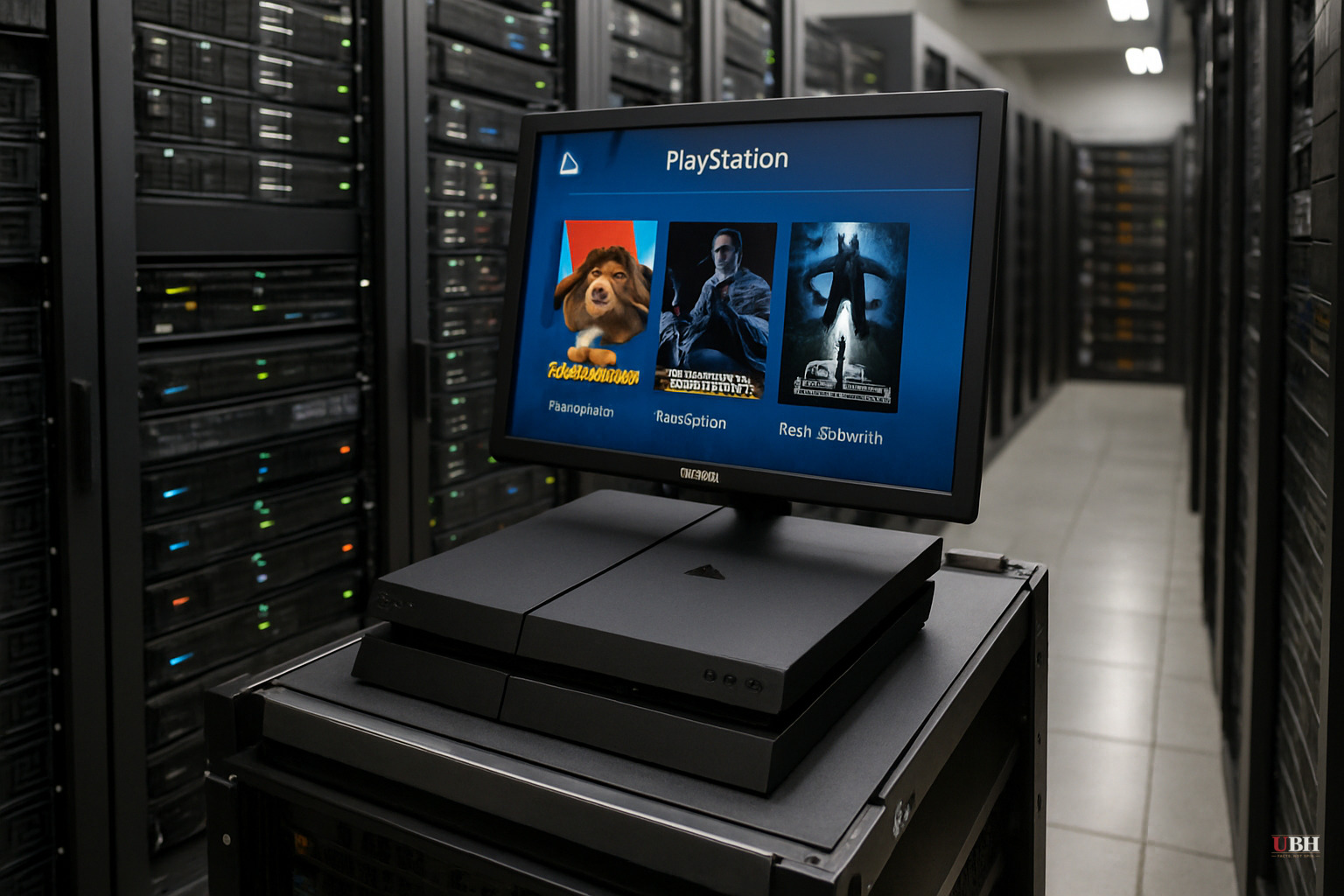
Starting September 1, Sony will wipe 551 StudioCanal titles from UK PlayStation Store libraries, according to a legal notice the company sent to affected customers. The removals are the result of expiring content licensing agreements between Sony and StudioCanal.
The affected titles include recognizable names: Paddington, Paddington 2, Pan's Labyrinth, Terminator 2: Judgment Day, Rambo 3, Outrage: Way of the Yakuza, and The Boy in the Striped Pajamas, among hundreds of others. Customers who paid for these films won't be streaming them through PlayStation after the deadline.
Sony's track record on this is not reassuring. In 2022, Sony pulled 314 StudioCanal titles from libraries in Germany and Austria, according to Ars Technica. The company's pattern with digital content has accelerated since then.
In 2023, Sony announced it would remove 1,318 seasons of Discovery shows from customer libraries. That situation resolved: a few weeks later, Sony updated its licensing deal with Discovery and reversed the removal. That's the best-case scenario for UK customers now, and it's happened before, but it's far from guaranteed.
More recently, Sony deleted people's entire Funimation digital libraries when it merged Funimation with Crunchyroll. Those users didn't get their content back. Sony has also been quietly retreating from the digital sales market altogether, having stopped selling movie and show rentals and purchases in August 2021.
The trajectory here isn't encouraging. Sony appears less invested in maintaining a digital storefront than it was five years ago, which makes a last-minute licensing rescue less likely this time around.
The frustration from customers is legitimate, and it points to a structural consumer issue the tech and entertainment industries have largely avoided confronting directly. When someone clicks "Buy" in the PlayStation Store, they are NOT purchasing a file or a permanent license. They are purchasing access to content for as long as the platform holds the distribution rights. That distinction is buried in terms of service almost nobody reads. The word "purchase" implies ownership. It doesn't deliver it.
Some affected customers are calling for refunds. Others are arguing the industry should stop using the word "purchase" for what is, functionally, a long-term rental with an unspecified expiration date. Both concerns are reasonable.
Sony's position is that licensing content is genuinely complicated. Rights to films are fragmented, time-limited, and geographically specific. Sony doesn't make Terminator 2; it licensed the right to distribute it. When StudioCanal doesn't renew that license, for whatever commercial reason, Sony's hands are legally constrained. The company isn't necessarily acting in bad faith; it may simply be caught between a content owner and a consumer it made promises to.
The harder question is: why does the "Buy" button still exist if the product can disappear? There's no physical analog to this. A DVD doesn't evaporate when a studio lets a distribution deal lapse. The digital model asks consumers to pay purchase prices for rental-level security, and the industry has relied on consumer inertia and fine-print legal cover to avoid fixing it.
Sony has NOT announced any refund policy for the 551 affected titles as of June 29, 2026. The company's September 1 deadline is still in place. Whether Sony and StudioCanal reach a new licensing agreement before then is unknown.
For UK customers holding affected titles, the unresolved question is whether they have any legal recourse under UK consumer protection law, specifically whether marketing digital content as a "purchase" while delivering only a revocable license constitutes a misleading commercial practice. No regulator has announced an investigation into that question.
Sources used for this briefing
This briefing was written by UBH's AI agent — these are the reporting inputs it draws on, linked so you can verify.


