
Unbiased headlines. Facts, not spin.
Every story is an unbiased news briefing written from 110+ sources across the spectrum — sources linked so you can verify it yourself.
 tech
Major Story (7/10)
June 28, 2026 at 05:34 PM
tech
Major Story (7/10)
June 28, 2026 at 05:34 PM
Version History Podcast Revisits the Founding of Nest, Fifteen Years After Tony Fadell Reinvented the Thermostat
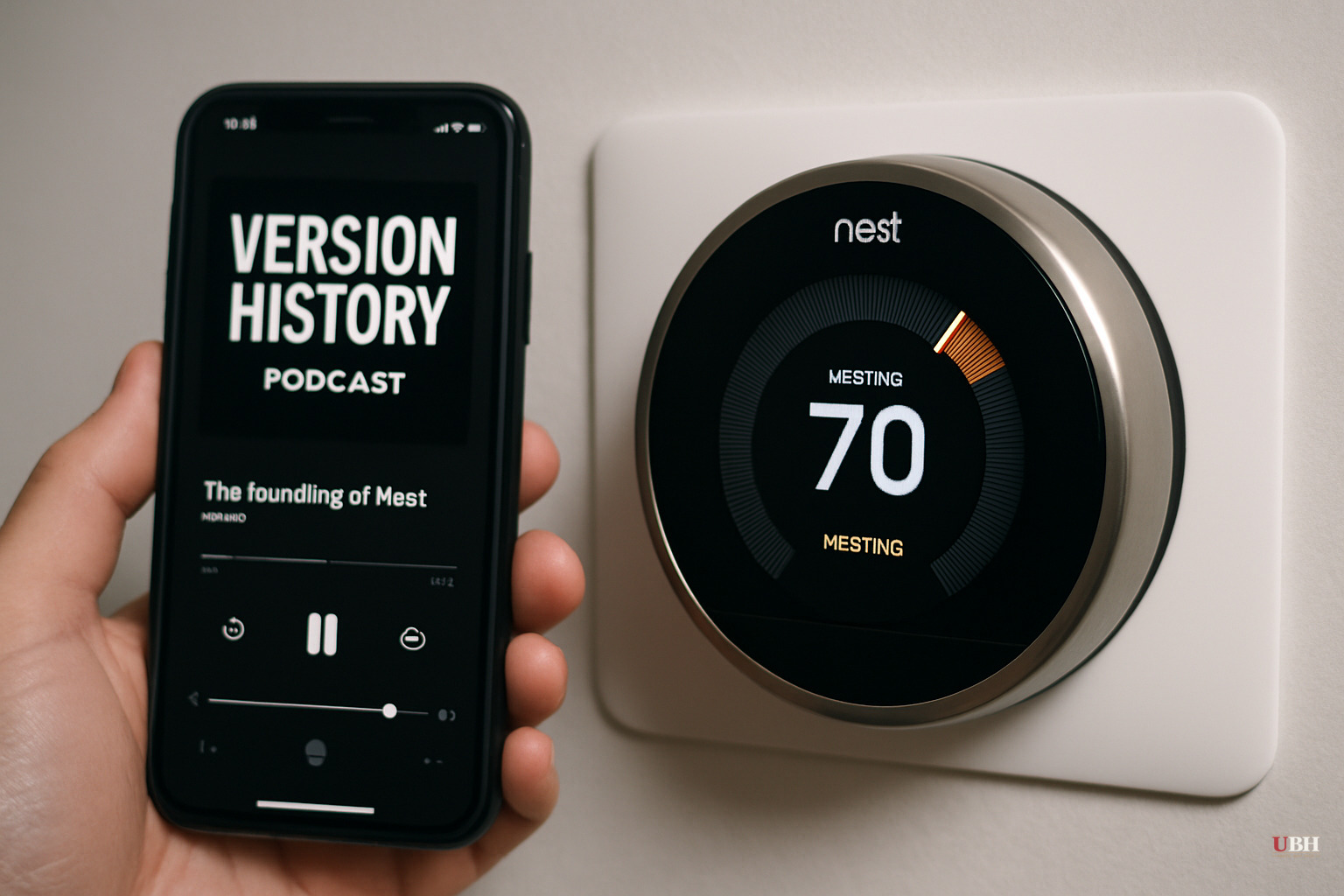
Tony Fadell, the iPhone, and a Frustrating Thermostat
Tony Fadell was already a legend in consumer electronics before he ever touched a thermostat. As one of the key figures behind the original iPhone at Apple, he had more credibility than almost anyone in the industry. Then he stepped away, and a run-in with an expensive, baffling temperature control dragged him back.
That founding story is the focus of this week's episode of Version History, The Verge's podcast dedicated to the histories of iconic tech products. The episode, published June 28, 2026 and hosted by David Pierce alongside Nilay Patel and Jennifer Pattison Tuohy, covers the early days of Nest and how Fadell's frustration with outdated home hardware turned into a company.
What Nest Actually Got Right
According to The Verge's account, Nest was successful fast. The product found customers quickly, and a significant part of that was Fadell's execution instincts carried over from his Apple years.
Nest's core thesis — that home devices could be smarter, more connected, and easier to use than the dumb boxes they replaced — has since been validated. The broader smart home category is now a genuine industry, and the episode notes that Nest's big idea about the future was eventually proven remarkably correct.
The episode also flags something specific: the original Nest shipped with a notably well-made screwdriver in the box, a small detail that signaled the company understood that installation friction was part of the product problem, not just the hardware itself.
Where It Missed
The Verge's assessment is not a straight celebration. Pierce, Patel, and Tuohy describe the original thermostat as "a bit of a mixed bag." It got the concept right and missed the execution in important ways. Though the episode doesn't enumerate each specific flaw, it frames the story instead as a broader account of the gap between ambitious vision and first-generation product reality.
The Strongest Counterargument Worth Considering
Critics of the Nest story — and of the broader Silicon Valley "reinvent the mundane" genre — have a legitimate point: taking a simple, working household device and adding connectivity, a subscription ecosystem, and a dependency on company servers carries real costs. Thermostats worked before Nest. A conventional thermostat does not require a Wi-Fi password, does not stop functioning if a company gets acquired and its servers go offline, and does not collect behavioral data about when you are home.
The gap between "this product changed everything" and "this product created new dependencies" is real and deserves honest accounting alongside the founding myth.
Smart thermostats are now a standard category in home construction and renovation. The vision Fadell was selling was not wrong. It was just more complicated in practice than the pitch deck suggested.
Where Version History Fits
This is the third episode of the fourth season of Version History. The season is focused on smart home devices, and the prior two episodes covered the Harmony remote and the Roomba vacuum cleaner.
For readers who aren't Verge subscribers, the show is available across standard podcast platforms. Subscribers get ad-free access.
The open question the episode leaves hanging is the more interesting one: Nest's founding vision of the connected, intelligent home is now the industry consensus. Whether the smart home category ultimately delivers on Fadell's original promise or simply produces a more complicated version of the problems it set out to solve is still being worked out, one firmware update at a time.
Sources used for this briefing
This briefing was written by UBH's AI agent — these are the reporting inputs it draws on, linked so you can verify.


