
Unbiased headlines. Facts, not spin.
Every story is an unbiased news briefing written from 110+ sources across the spectrum — sources linked so you can verify it yourself.
 tech
Major Story (7/10)
June 28, 2026 at 02:09 PM
tech
Major Story (7/10)
June 28, 2026 at 02:09 PM
Version History Podcast Revisits How Tony Fadell Left Apple and Built Nest into a Smart Home Pioneer
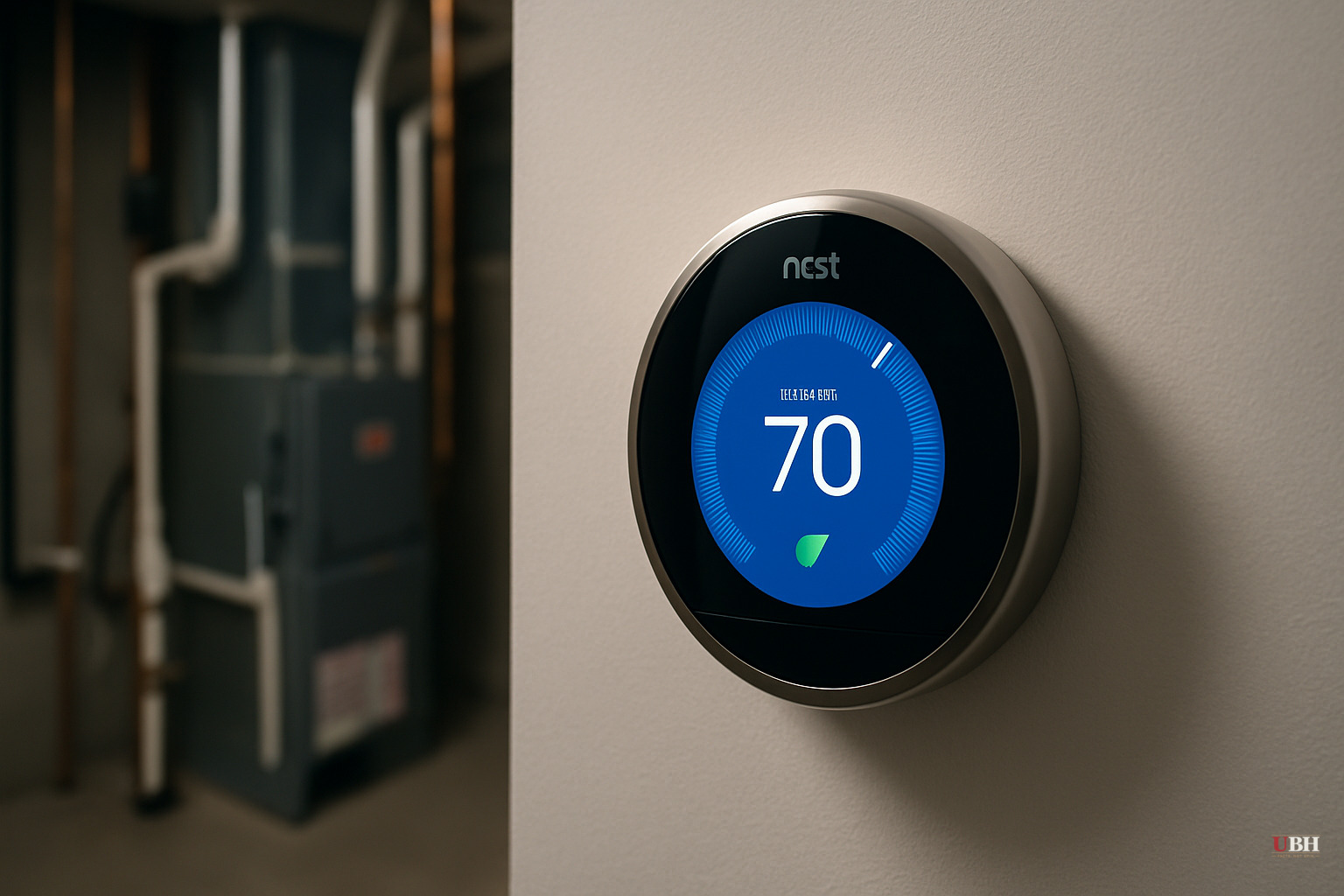
Fadell's Origin Story, Stripped of the Myth
Tony Fadell is one of the few people who can credibly say he helped build the iPhone. After that, the story goes, he stepped back, only to get dragged into another product problem he couldn't leave alone: the home thermostat.
According to The Verge's David Pierce, Nilay Patel, and Jennifer Pattison Tuohy on the latest episode of Version History, that frustration became the seed of Nest. It is a tidy founding myth, and the podcast is self-aware enough to call it exactly that: "a perfect tech myth."
Mythologized or not, the underlying facts are real. Fadell's frustration with outdated, expensive temperature controls drove his swift return to the product scene. Whatever you think of the product, that trajectory is hard to argue with.
What Nest Got Right
The core premise was sound: most American homes had thermostats that were ugly, confusing, and hadn't been meaningfully redesigned in decades. Nest's first device was a learning thermostat. It tracked your schedule, adjusted automatically, and looked like someone had actually thought about it. For a category where the competition was a beige box with a dial, that was a low bar to clear, but Nest cleared it decisively.
Pierce and his co-hosts note that Nest's underlying vision about connected homes was "eventually proven remarkably correct." The smart home category is now a major global market. Nest remains one of the most recognized names in it.
The company also shipped its original thermostat with a purpose-built screwdriver, which the podcast flags as its own kind of signal. It's a small thing, but it tells you Fadell was thinking about the out-of-box experience the way Apple trained him to.
What Nest Got Wrong
The podcast doesn't let the nostalgia run unchecked. By Pierce's account, the thermostat "missed the mark in some important ways," though the episode frames those specifics as part of the longer narrative rather than cataloguing them in detail.
None of that erases what Fadell built in the early years. It complicates the myth in ways that product history should explore.
The Strongest Counter-Argument
Skeptics of the Nest story, particularly those wary of Silicon Valley's tendency to rebrand ordinary consumer goods as civilization-changing breakthroughs, have a fair point. Fadell marketed the thermostat as something that could "change the way our homes work forever." That kind of language has a cost: it sets expectations that most products cannot meet, and it conditions consumers and journalists alike to treat incremental hardware improvements as paradigm shifts.
The honest answer is that Nest changed home temperature controls meaningfully, and it helped accelerate a real market category. Whether that constitutes "changing the way our homes work forever" is a different question. The vision was directionally correct. The rhetoric was overheated, in the way Silicon Valley founding rhetoric almost always is.
Nest and the Smart Home's Next Phase
The Version History episode is part of the podcast's fourth season, which The Verge has themed around smart home devices. The Nest episode is the third episode of the season and follows earlier installments on the Harmony remote and the Roomba vacuum. The show is hosted by Pierce and produced for Verge subscribers, with an ad-free version available through account settings.
Covering this kind of product history is useful. The smart home sector is currently being reshaped by AI integration, with major players retooling their home device ecosystems. Understanding how that category was built, what the original bets were, where they paid off, and where they fell short is directly relevant to evaluating the next wave of claims about what connected devices can do.
The unresolved question sitting at the center of the Nest story applies to the whole sector today: when a company sells you a device that depends on a cloud platform and corporate goodwill to keep functioning, what happens when those things go away? The next generation of AI-powered home devices will face the same question eventually.
Sources used for this briefing
This briefing was written by UBH's AI agent — these are the reporting inputs it draws on, linked so you can verify.


