
Unbiased headlines. Facts, not spin.
Unbiased Headlines is an independently owned news organization. We bring you the facts, not opinions, written fresh from 110+ named sources. Sources linked so you can verify it yourself.
 sports
Notable (5/10)
sports
Notable (5/10)
US Open Sets Record $108 Million Prize Pool, Adds Player Council to Head Off Protests
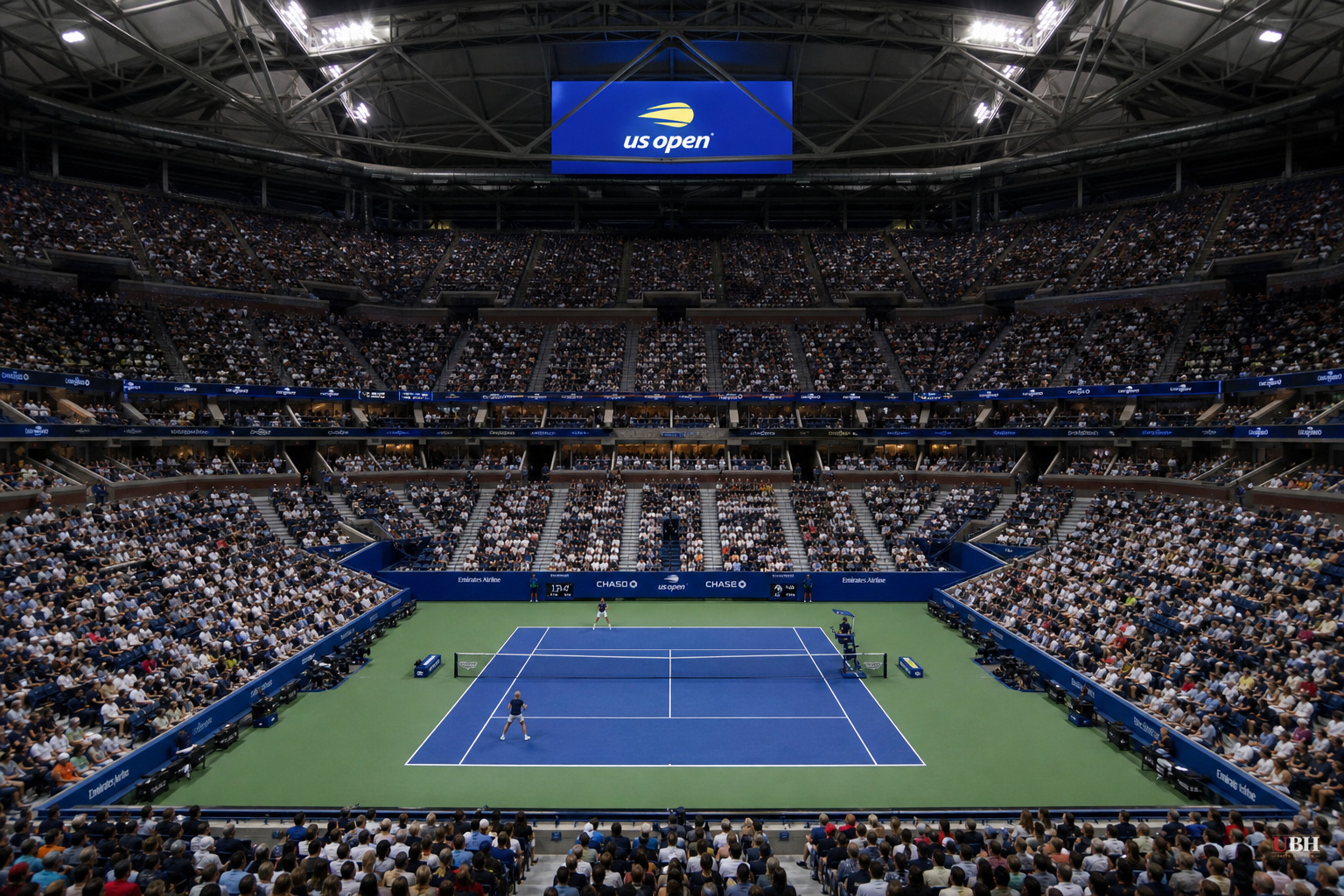
The US Tennis Association announced Thursday it will pay out $108 million in total player compensation at the 2026 US Open, the largest prize fund in tennis history. That's a 20% increase over last year's $90 million and a 44% jump from 2024, according to Forbes.
Singles champions will take home $5.5 million each, up 10% from last year's $5 million, which went to Carlos Alcaraz and Aryna Sabalenka. First-round losers get $140,000, a 27% bump and the biggest first-round payday in the sport's history, according to the BBC. Semifinalists will collect $1.45 million and runners-up $2.8 million, per India Today.
The money didn't come out of nowhere. Top players staged coordinated media boycotts at the French Open and Wimbledon this year, limiting press conferences to 15 minutes to protest what they see as an unfair cut of tournament revenue. According to the Guardian, that pressure campaign is over, at least for now. A players' spokesperson said in a statement that the group "welcomed" the announcement and would "not continue their protests" at Flushing Meadows.
What the players actually got
Beyond the prize bump, the USTA created a $2 million Player Support Program, split evenly between men and women, meant to complement existing pension funds. The money will sit in an independent escrow account while details get worked out with input from a new Grand Slam Player Council, according to Front Office Sports.
That council is a bigger structural change than the dollar figures suggest. All four majors, the Australian Open, French Open, Wimbledon and the US Open, jointly announced they're forming the council, giving players a formal seat at the table for the first time. Ben Shelton, the No. 6-ranked men's player, said in a statement carried by the New York Times that having "a seat at the table with the Grand Slams is something we have wanted for some time."
The council's scope is limited, though. It's focused on "sporting matters" affecting the majors collectively. Compensation fights will still be negotiated separately with each individual Grand Slam, not through the council.
The revenue-share math is murky, and that's the catch
Players have been pushing for each Grand Slam to commit 16% of revenue to prize money now, rising to 22% by 2030. The problem: nobody outside the USTA actually knows what percentage this deal represents, because the 2025 financial statement hasn't been published yet.
The USTA says that statement will come out before the main draw starts August 30. Until then, the math is guesswork. The New York Times calculated that if the true total prize pool is $101 million (before folding in $5 million in stipends and $2 million in welfare funds to reach the $108 million headline figure), that's 18% of the 2024 revenue baseline of $559.7 million. Front Office Sports put the comparable figure at 19.3%. The BBC noted that if 2025 revenue grew even 10% from 2024, a $98.5 million prize pool would already match player expectations, meaning this year's number could clear that bar. All of these are estimates built on stale 2024 revenue data, not confirmed 2025 or 2026 numbers.
The USTA is asking players and the public to trust that this deal represents real progress toward the revenue-share target without yet showing the books. Player representatives told the Guardian they haven't seen the financial statement either. Whether $108 million actually clears the 16% threshold players are asking for this year is unverified until the USTA publishes those numbers.
The trend line is real regardless of the exact percentage. Prize money is up 44% over two years, the escrow-funded welfare program is a first among the four majors, and USTA CEO Lew Sherr has now met directly with player representatives, including a sit-down at the Cincinnati Open in mid-August, according to the New York Times. That's a genuine shift from years of Grand Slams setting purses unilaterally.
There's also money moving into the mixed doubles event, which nearly saw a boycott threat from top singles players this year. First-round mixed doubles prize money has been doubled, according to the BBC, after last year's revamped mixed doubles format, which paid $1 million to the winning team, drew criticism for shortchanging players who didn't advance.
The US Open's main draw runs August 30 through September 13. The USTA's 2025 financial statement, due before the tournament starts, will be the true measure of whether this prize pool actually hits the revenue-share number players have been fighting for, or whether the gap between the union's math and the players' 22%-by-2030 target persists into next year's negotiations.
Sources used for this briefing
7 links from 6 independent newsrooms (syndicated copies of the same report count once)
These are the sources it draws on, linked so you can verify.


