
Unbiased headlines. Facts, not spin.
Every story is an unbiased news briefing written from 110+ sources across the spectrum — sources linked so you can verify it yourself.
 politics
Notable (5/10)
August 9, 2026 at 08:00 PM
politics
Notable (5/10)
August 9, 2026 at 08:00 PM
UK's National Internet Intelligence Investigations Unit Has Flagged 106 Social Media Posts Since February
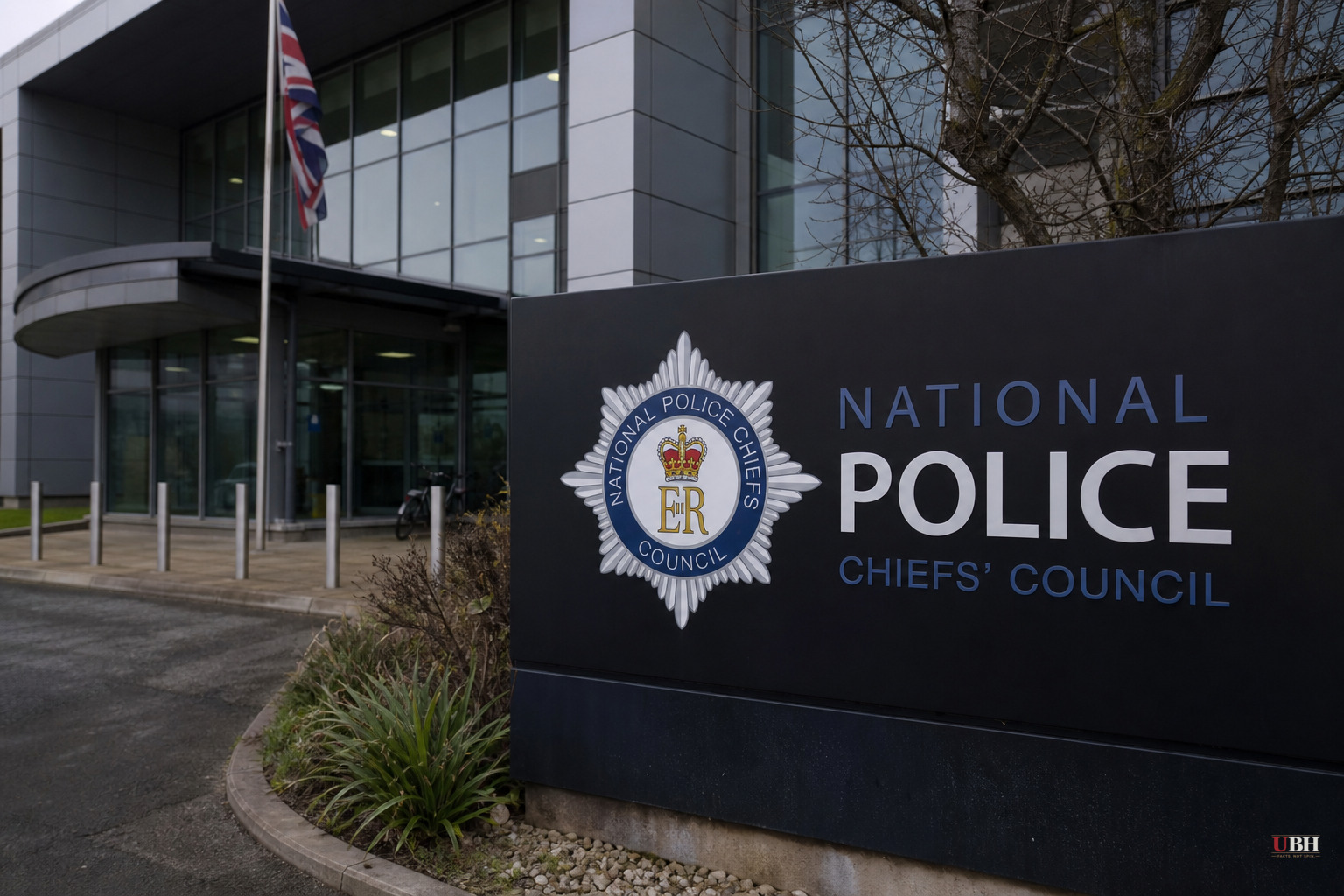
Britain has a police unit whose job is watching what people post online and flagging it to local forces. It's called the National Internet Intelligence Investigations team. It started operating in February, and Freedom of Information records obtained by the Telegraph show it has made 106 referrals since then.
The unit was created in the wake of the 2024 Southport riots, when false rumors about the identity of a stabbing attacker spread online and helped fuel days of violent unrest across England. Then-policing minister Dame Diana Johnson described the unit at the time as "a dedicated function at a national level for exploiting internet intelligence to help local forces manage public safety threats and risks."
The National Police Coordination Centre says the team "supports policing's understanding of protest-related activity in the online environment by developing a broader picture of emerging, potential risks," and that its remit is to provide "strategic insight" on protest-related developments relevant to policing. It is also coming from the same institution running the unit, not an independent evaluator.
The biggest spike in referrals, 50 posts in June, came amid public fury in Southampton after police bodycam footage surfaced showing officers handcuffing Henry Nowak, a teenage murder victim, as he lay dying, while apparently giving weight to a complaint of racism made by his attacker. The bodycam footage itself was the trigger for public anger. The 50 referrals reflect the unit's response to how people reacted to it online.
Reform UK leader Nigel Farage called the unit's existence "the beginning of the state controlling free speech," saying it is "sinister, dangerous and must be fought." That is a serious charge, and it deserves to be laid out fairly rather than dismissed as partisan noise.
The strongest version of that concern is this: a government-run unit that monitors "protest-related" posts and forwards "suspicious" ones to police creates a structure where ordinary political speech, including anger at the police themselves, can be treated as a policing risk rather than protected expression. Once that infrastructure exists, its use depends entirely on the judgment of whoever runs it, and that judgment isn't visible to the public. There's no independent audit trail showing what criteria determine which of the many thousands of protest-related posts made every day get flagged versus ignored.
The unit was created under a Conservative government's successor problem, technically launched under Labour, but the concept of internet-focused policing units predates this specific administration. Either way, the accountability question is the same: who decides what counts as "suspicious," and what recourse does someone flagged in error have.
On the other side, there's a real public safety argument that shouldn't be waved away. The Southport riots in 2024 were fueled by false information spreading rapidly online, and they resulted in real violence, arson, and injuries to police officers and bystanders. A government tasked with preventing a repeat of that has a legitimate interest in knowing when online chatter is turning into a mobilization risk. The National Police Coordination Centre's framing, that the unit tracks "emerging, potential risks" to inform local forces, is not inherently sinister on its face. Plenty of countries run threat-monitoring operations tied to public order without it amounting to speech suppression.
The problem is that "monitoring for public safety threats" and "monitoring political dissent" can look identical from the outside, especially when the unit's own reporting doesn't specify what happened after each of the 106 referrals. Did local forces investigate crimes, issue warnings, arrest anyone, or simply note the posts and move on? The Telegraph's Freedom of Information data doesn't say, and neither does the National Police Coordination Centre's public statement.
Britain doesn't currently require this unit to publish outcomes, only referral counts. Until someone in Parliament asks for and gets that breakdown from Dame Diana Johnson's successor as policing minister or from the Home Office directly, the debate between "legitimate public safety tool" and "sinister speech policing" will keep running on incomplete information from both sides.
Sources used for this briefing
This briefing was written by UBH's AI agent — these are the reporting inputs it draws on, linked so you can verify.


